
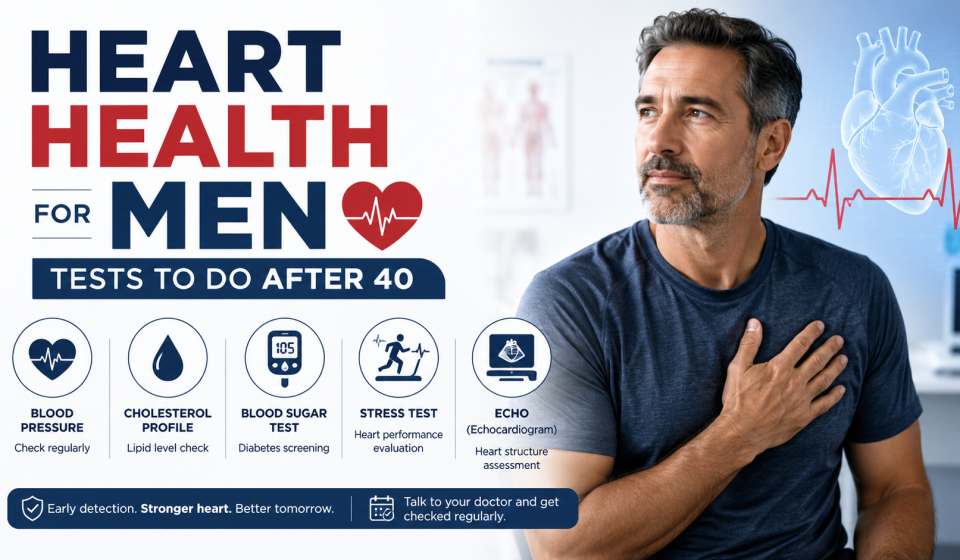

Discover the most important heart health tests men should undergo after age 40. Learn about blood pressure checks, cholesterol screening, ECG, stress tests, and more to prevent heart disease and maintain a healthy lifestyle.
Turning 40 is a significant milestone in a man’s life. While many men focus on career growth, family responsibilities, and financial planning during this stage, health often takes a back seat. However, one area that should never be ignored is heart health. Cardiovascular disease remains one of the leading causes of death among men worldwide, and the risk increases significantly after the age of 40.
The good news is that many heart-related problems can be detected early through regular screenings and preventive tests. Early diagnosis allows doctors to recommend lifestyle changes, medications, or treatments before serious complications such as heart attacks or strokes occur.
In this article, we will discuss the most important heart health tests men should consider after turning 40, why these tests matter, and how they can help ensure a longer and healthier life.
Why Heart Health Matters After 40
As men age, natural changes occur in the body. Blood vessels may become less flexible, cholesterol levels can rise, and the risk of high blood pressure increases. Combined with factors such as stress, unhealthy eating habits, lack of exercise, smoking, or family history, these changes can significantly raise the risk of cardiovascular disease.
Many heart conditions develop silently without noticeable symptoms. A man may feel perfectly healthy while underlying problems continue to progress. This is why preventive screenings are so important.
Regular heart health tests can:
- Detect hidden cardiovascular problems
- Identify risk factors early
- Prevent heart attacks and strokes
- Monitor existing health conditions
- Improve long-term quality of life
1. Blood Pressure Test
One of the simplest yet most important heart health tests is a blood pressure check.
High blood pressure, also known as hypertension, is often called the “silent killer” because it usually has no obvious symptoms. If left untreated, it can damage arteries, increase the risk of heart disease, kidney disease, and stroke.
Normal Blood Pressure Range
- Normal: Below 120/80 mmHg
- Elevated: 120-129/<80 mmHg
- High Blood Pressure Stage 1: 130-139/80-89 mmHg
- High Blood Pressure Stage 2: 140/90 mmHg or higher
How Often Should Men Over 40 Check It?
Most healthcare professionals recommend checking blood pressure at least once a year. Men with existing hypertension or risk factors may need more frequent monitoring.
2. Cholesterol Profile Test
A lipid profile measures different types of cholesterol and fats in the blood.
Components of a Lipid Profile
- Total Cholesterol
- LDL (Bad Cholesterol)
- HDL (Good Cholesterol)
- Triglycerides
High LDL cholesterol can build up inside arteries, leading to blockages that increase the risk of heart attacks and strokes.
Why It Is Important
Many men with high cholesterol experience no symptoms. A simple blood test can identify the problem before serious damage occurs.
Recommended Frequency
Men over 40 should generally undergo cholesterol testing every 4–6 years, or more often if they have diabetes, obesity, hypertension, or a family history of heart disease.
3. Blood Sugar Test
Diabetes and heart disease are closely linked.
People with diabetes are significantly more likely to develop cardiovascular problems compared to those without diabetes. Elevated blood sugar levels can damage blood vessels and nerves that control the heart.
Common Blood Sugar Tests
- Fasting Blood Sugar (FBS)
- HbA1c Test
- Random Blood Sugar
Benefits
Regular screening helps identify:
- Prediabetes
- Type 2 Diabetes
- Risk of future cardiovascular disease
Many doctors recommend annual blood sugar testing after age 40.
4. Electrocardiogram (ECG/EKG)
An Electrocardiogram records the electrical activity of the heart.
This quick and painless test can detect:
- Irregular heart rhythms
- Previous heart attacks
- Heart enlargement
- Electrical conduction problems
Who Should Get an ECG?
Men over 40 who experience symptoms such as:
- Chest pain
- Palpitations
- Shortness of breath
- Dizziness
Some doctors may also recommend baseline ECG screening for men with multiple cardiovascular risk factors.
5. Echocardiogram
An echocardiogram uses ultrasound technology to create detailed images of the heart.
What It Shows
- Heart valve function
- Heart muscle strength
- Blood flow through the heart
- Structural abnormalities
This test provides valuable information about how efficiently the heart is pumping blood throughout the body.
When Is It Recommended?
Doctors often recommend an echocardiogram when symptoms, abnormal ECG findings, or family history suggest potential heart problems.
6. Cardiac Stress Test
A stress test evaluates how the heart performs during physical activity.
During the test, the patient walks on a treadmill or rides a stationary bicycle while heart rate, blood pressure, and ECG readings are monitored.
Why It Matters
Certain heart problems may not appear when the body is at rest. Exercise places additional demands on the heart, helping doctors identify:
- Blocked arteries
- Reduced blood flow
- Exercise-induced arrhythmias
Ideal Candidates
Men over 40 with:
- Chest discomfort
- Shortness of breath
- Family history of heart disease
- Multiple risk factors
7. Coronary Calcium Scan
A Coronary Artery Calcium (CAC) scan uses CT imaging to detect calcium deposits inside coronary arteries.
What Does Calcium Indicate?
Calcium deposits often signal the presence of plaque buildup, which can narrow arteries and increase the risk of heart attacks.
Benefits
The CAC score helps doctors determine:
- Future heart disease risk
- Need for cholesterol-lowering medication
- Appropriate preventive strategies
This test is particularly useful for men who appear healthy but have moderate cardiovascular risk.
8. Body Mass Index (BMI) and Waist Circumference Assessment
Although not a direct heart test, body weight and waist measurements provide important clues about cardiovascular health.
Why It Matters
Excess abdominal fat is linked to:
- High blood pressure
- Diabetes
- High cholesterol
- Heart disease
Healthy Targets
- BMI: 18.5–24.9
- Waist Circumference: Generally below 40 inches (102 cm) for men
Regular monitoring can help identify the need for lifestyle changes.
9. High-Sensitivity C-Reactive Protein (hs-CRP) Test
Inflammation plays an important role in heart disease.
The hs-CRP test measures inflammation levels in the body and may help identify hidden cardiovascular risk.
Benefits
Doctors may use this test alongside cholesterol screening to gain a more complete understanding of a person’s heart disease risk profile.
10. Family History and Risk Assessment Evaluation
Sometimes the most valuable information comes from discussing family history with a healthcare provider.
If close relatives experienced:
- Heart attacks
- Stroke
- High cholesterol
- Hypertension
before age 55, your personal risk may be higher.
A comprehensive risk assessment helps doctors create a personalized prevention plan.
Lifestyle Habits That Support Heart Health
Testing is only one part of heart disease prevention. Healthy lifestyle choices play an equally important role.
Follow a Heart-Friendly Diet
Choose:
- Fruits and vegetables
- Whole grains
- Lean proteins
- Healthy fats
Limit:
- Excess salt
- Processed foods
- Sugary beverages
- Trans fats
Stay Physically Active
Aim for at least 150 minutes of moderate exercise weekly.
Activities may include:
- Walking
- Cycling
- Swimming
- Jogging
Quit Smoking
Smoking damages blood vessels and significantly increases cardiovascular risk.
Manage Stress
Chronic stress can contribute to:
- High blood pressure
- Poor sleep
- Unhealthy eating habits
Meditation, yoga, and relaxation techniques may help.
Get Quality Sleep
Most adults need 7–9 hours of sleep per night to support cardiovascular health.
Sources
https://l1nq.com/1qam8d0
https://l1nq.com/kwf3jv9
Conclusion
Heart disease remains one of the biggest health threats for men after the age of 40, but it is also one of the most preventable. Regular health screenings can identify risk factors and early signs of cardiovascular disease before they become life-threatening.
Important tests such as blood pressure monitoring, cholesterol screening, blood sugar testing, ECGs, stress tests, echocardiograms, and coronary calcium scans provide valuable insights into heart health. Combined with a healthy lifestyle, these screenings can significantly reduce the risk of heart attacks, strokes, and other cardiovascular complications.
The best approach is not to wait for symptoms to appear. Preventive care and routine check-ups can help men maintain strong heart health and enjoy a more active, healthier future.
Frequently Asked Questions (FAQs)
1. At what age should men start regular heart screenings?
Most healthcare experts recommend routine cardiovascular risk assessments beginning around age 40, or earlier if there is a family history of heart disease.
2. How often should cholesterol levels be checked after 40?
Generally every 4–6 years, but individuals with diabetes, hypertension, obesity, or high cardiovascular risk may require more frequent testing.
3. Is an ECG necessary if I have no symptoms?
An ECG may not be required for everyone, but doctors may recommend a baseline ECG for men with multiple heart disease risk factors.
4. What is the most important heart test for men over 40?
There is no single most important test. Blood pressure, cholesterol, and blood sugar screenings are considered essential starting points.
5. Can lifestyle changes reduce the need for heart medications?
In some cases, healthy eating, regular exercise, weight management, and smoking cessation can improve heart health and reduce medication requirements, but always follow your doctor’s advice.