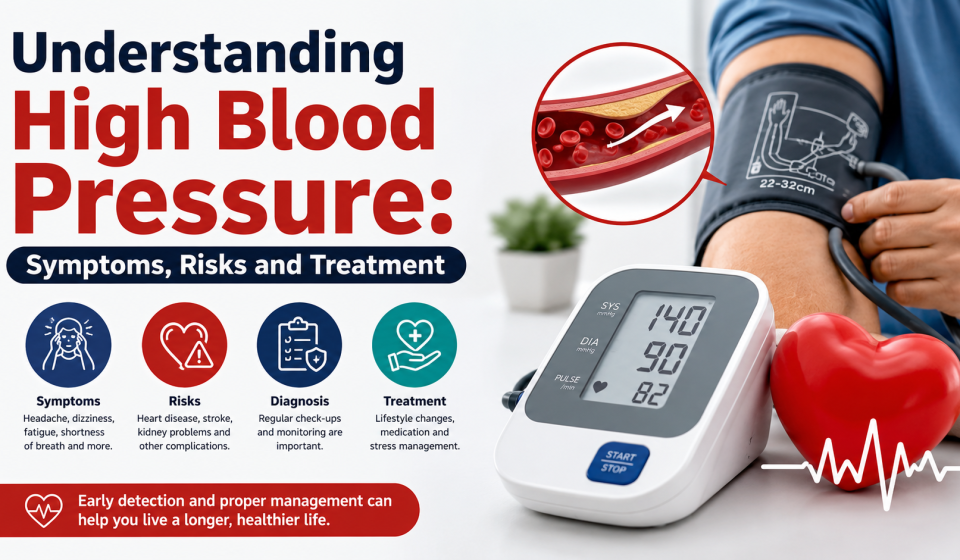

Learn everything about high blood pressure, including its symptoms, causes, risk factors, complications, diagnosis, and treatment options. Discover practical lifestyle changes and prevention tips to protect your heart and overall health.
High blood pressure, medically known as hypertension, is one of the most common chronic health conditions affecting millions of people worldwide. It is often referred to as the “silent killer” because it usually develops without noticeable symptoms while gradually damaging vital organs such as the heart, brain, kidneys, and eyes.
According to global health experts, nearly 1.3 billion adults worldwide have hypertension, yet many remain unaware of their condition. Without proper diagnosis and treatment, high blood pressure significantly increases the risk of heart attacks, strokes, kidney disease, vision loss, and even premature death.
The good news is that hypertension is both preventable and manageable. Through regular blood pressure monitoring, healthy lifestyle choices, and appropriate medical treatment when necessary, individuals can greatly reduce their risk of serious health complications.
This comprehensive guide explains everything you need to know about high blood pressure, including its symptoms, causes, risk factors, diagnosis, and available treatment options.
What Is High Blood Pressure?
Blood pressure is the force exerted by circulating blood against the walls of your arteries as your heart pumps blood throughout your body.
A blood pressure reading consists of two numbers:
- Systolic Pressure (Top Number): Measures pressure when the heart beats.
- Diastolic Pressure (Bottom Number): Measures pressure when the heart rests between beats.
For example:
120/80 mmHg
- 120 = Systolic Pressure
- 80 = Diastolic Pressure
When blood pressure remains consistently higher than normal, it places excessive strain on the heart and blood vessels, eventually causing long-term damage.
Unlike temporary increases caused by stress, exercise, or emotional excitement, chronic hypertension persists over time and requires medical attention.
Blood Pressure Categories
Doctors classify blood pressure into several categories to determine whether treatment or lifestyle changes are needed.
| Category | Systolic | Diastolic |
|---|---|---|
| Normal | Less than 120 | Less than 80 |
| Elevated | 120–129 | Less than 80 |
| Stage 1 Hypertension | 130–139 | 80–89 |
| Stage 2 Hypertension | 140 or higher | 90 or higher |
| Hypertensive Crisis | Above 180 | Above 120 |
A hypertensive crisis is a medical emergency requiring immediate medical attention, especially if accompanied by symptoms such as chest pain, difficulty breathing, severe headache, confusion, or blurred vision.
Why Is High Blood Pressure Dangerous?
The biggest danger of hypertension is that it often causes no obvious symptoms until serious damage has already occurred.
Every heartbeat pushes blood through your arteries. When the pressure is consistently too high, artery walls become damaged over time, making them thicker, narrower, and less flexible.
As a result, the heart has to work much harder to pump blood throughout the body.
Over several years, this extra strain may lead to:
- Heart disease
- Heart failure
- Stroke
- Kidney damage
- Vision problems
- Memory impairment
- Peripheral artery disease
This is why healthcare providers strongly recommend regular blood pressure checks, even if you feel perfectly healthy.
Common Symptoms of High Blood Pressure
One of the most misleading aspects of hypertension is that most people experience no symptoms.
Many individuals discover they have high blood pressure only during a routine health examination.
However, when blood pressure becomes extremely high, some warning signs may appear.
Possible Symptoms
1. Severe Headaches
Persistent or intense headaches may occur when blood pressure rises significantly. Although headaches alone do not always indicate hypertension, they should never be ignored if accompanied by other symptoms.
2. Dizziness
Some people experience dizziness or lightheadedness during episodes of very high blood pressure. However, dizziness is not considered a reliable early symptom.
3. Blurred Vision
High blood pressure can damage the tiny blood vessels in the eyes, resulting in:
- Blurred vision
- Double vision
- Vision loss
- Eye strain
4. Chest Pain
Chest discomfort may indicate that hypertension has begun affecting the heart.
Immediate emergency care is necessary if chest pain occurs together with:
- Sweating
- Difficulty breathing
- Pain spreading to the arm or jaw
5. Shortness of Breath
Difficulty breathing may develop when hypertension affects the heart or lungs.
6. Nosebleeds
Frequent nosebleeds are uncommon but may occasionally occur during episodes of extremely high blood pressure.
7. Fatigue
Poor circulation caused by uncontrolled hypertension may contribute to unusual tiredness and reduced physical endurance.
8. Irregular Heartbeat
Some individuals experience:
- Heart palpitations
- Fluttering sensations
- Rapid heartbeat
These symptoms should always be evaluated by a healthcare professional.
Silent Hypertension: Why Many People Don’t Notice It
High blood pressure develops gradually over months or years.
Unlike infections or injuries that produce obvious symptoms, hypertension silently damages:
- Blood vessels
- Heart muscle
- Kidneys
- Brain
- Eyes
This hidden progression explains why millions of adults unknowingly live with dangerously high blood pressure.
Routine screening is therefore one of the most effective ways to detect hypertension before complications arise.
Causes of High Blood Pressure
Doctors classify hypertension into two major types.
1. Primary (Essential) Hypertension
This is the most common type, accounting for nearly 90–95% of cases.
It develops gradually without a single identifiable cause.
Contributing factors include:
- Aging
- Genetics
- Poor dietary habits
- Lack of physical activity
- Excess body weight
- Chronic stress
- Smoking
- Excessive alcohol intake
Primary hypertension usually develops slowly over many years.
2. Secondary Hypertension
Secondary hypertension results from another underlying medical condition or medication.
Unlike primary hypertension, it often develops suddenly and may cause much higher blood pressure readings.
Possible causes include:
- Kidney disease
- Hormonal disorders
- Thyroid disorders
- Sleep apnea
- Certain medications
- Congenital heart abnormalities
- Illegal drug use
Treating the underlying condition often improves blood pressure control.
Major Risk Factors for High Blood Pressure
Several factors increase the likelihood of developing hypertension.
Age
Blood pressure naturally increases with age due to changes in artery elasticity.
Men generally develop hypertension earlier than women, although women’s risk rises significantly after menopause.
Family History
If one or both parents have hypertension, your risk of developing the condition is considerably higher.
Genetics can influence how your body regulates blood pressure.
Being Overweight or Obese
Excess body weight forces the heart to pump harder, increasing blood pressure.
Obesity is one of the strongest modifiable risk factors for hypertension.
Physical Inactivity
People who rarely exercise often have:
- Higher resting heart rates
- Poor circulation
- Increased body weight
- Greater cardiovascular risk
Regular physical activity helps maintain healthy blood pressure levels.
High-Sodium Diet
Consuming too much salt causes the body to retain water.
This extra fluid increases blood volume, placing greater pressure on artery walls.
Processed foods, fast foods, canned soups, packaged snacks, and restaurant meals are major sources of excess sodium.
Low Potassium Intake
Potassium helps balance sodium levels and supports healthy blood vessel function.
Low potassium intake may contribute to elevated blood pressure.
Common potassium-rich foods include:
- Bananas
- Spinach
- Sweet potatoes
- Beans
- Avocados
- Oranges
- Yogurt
Chronic Stress
Long-term stress may contribute to hypertension by increasing stress hormones that temporarily raise blood pressure.
People under chronic stress may also adopt unhealthy coping habits such as overeating, smok
Living with High Blood Pressure
A diagnosis of hypertension does not mean you cannot live a healthy and active life. Many people successfully control their blood pressure through a combination of medication, healthy habits, and regular medical care.
Tips for Daily Management
- Take medications exactly as prescribed.
- Never skip doses without consulting your doctor.
- Monitor your blood pressure regularly.
- Follow a heart-healthy diet.
- Stay physically active.
- Maintain a healthy weight.
- Reduce stress whenever possible.
- Attend regular medical check-ups.
- Keep cholesterol and blood sugar under control.
- Avoid smoking and limit alcohol consumption.
Consistency is one of the most important factors in successfully managing high blood pressure.
Myths vs. Facts About High Blood Pressure
| Myth | Fact |
|---|---|
| High blood pressure always causes symptoms. | Most people have no symptoms, which is why it’s called the “silent killer.” |
| Only older adults develop hypertension. | Young adults and even teenagers can develop high blood pressure. |
| Medication alone is enough. | Healthy lifestyle changes remain essential, even when taking medication. |
| Once blood pressure is controlled, medication can always be stopped. | Never stop medication without medical advice. |
| Salt is the only cause of hypertension. | Genetics, obesity, inactivity, stress, smoking, alcohol, and medical conditions also contribute. |
When Should You See a Doctor?
Seek medical advice if:
- Your blood pressure consistently measures 130/80 mmHg or higher.
- You experience persistent headaches, dizziness, or blurred vision.
- You have a family history of hypertension or heart disease.
- You have diabetes or kidney disease.
- You are pregnant and develop elevated blood pressure.
- Home blood pressure readings continue to rise despite healthy lifestyle changes.
Seek Emergency Medical Care Immediately If You Experience:
- Blood pressure above 180/120 mmHg
- Severe chest pain
- Sudden weakness or numbness
- Difficulty speaking
- Severe headache
- Vision loss
- Difficulty breathing
- Confusion
These symptoms may indicate a hypertensive emergency, heart attack, or stroke.
Sources
https://sl1nk.com/vj8thja
https://l1nq.com/caufj65
Conclusion
High blood pressure is one of the leading causes of heart disease, stroke, kidney failure, and other serious health conditions. Because it often develops without noticeable symptoms, regular blood pressure screening is essential for early detection.
Fortunately, hypertension is highly manageable. A combination of healthy eating, regular physical activity, maintaining a healthy weight, reducing sodium intake, avoiding tobacco, limiting alcohol, managing stress, and taking prescribed medications when needed can significantly lower blood pressure and reduce the risk of complications.
By making informed lifestyle choices and working closely with your healthcare provider, you can protect your heart, preserve your overall health, and enjoy a longer, healthier life.
Frequently Asked Questions (FAQs)
1. What is considered high blood pressure?
High blood pressure (hypertension) is generally defined as a consistent blood pressure reading of 130/80 mmHg or higher, according to many current clinical guidelines. Your healthcare provider will interpret your readings based on your overall health.
2. Can high blood pressure be cured?
Primary hypertension usually cannot be permanently cured, but it can be effectively managed through lifestyle changes and medication. Secondary hypertension may improve if the underlying medical condition is treated.
3. What foods help lower blood pressure?
Foods that support healthy blood pressure include:
- Leafy green vegetables
- Bananas
- Berries
- Oats
- Beans
- Fish rich in omega-3 fatty acids
- Low-fat dairy products
- Nuts and seeds
These foods provide nutrients such as potassium, fiber, calcium, and healthy fats that support cardiovascular health.
4. Can stress cause high blood pressure?
Stress can temporarily raise blood pressure and may contribute to long-term hypertension when combined with unhealthy coping behaviors such as overeating, smoking, or excessive alcohol consumption. Managing stress is an important part of overall blood pressure control.
5. How often should I check my blood pressure?
Healthy adults should have their blood pressure checked at least once every year during routine health visits. People with hypertension, diabetes, kidney disease, or other risk factors may need more frequent monitoring as recommended by their healthcare provider.