
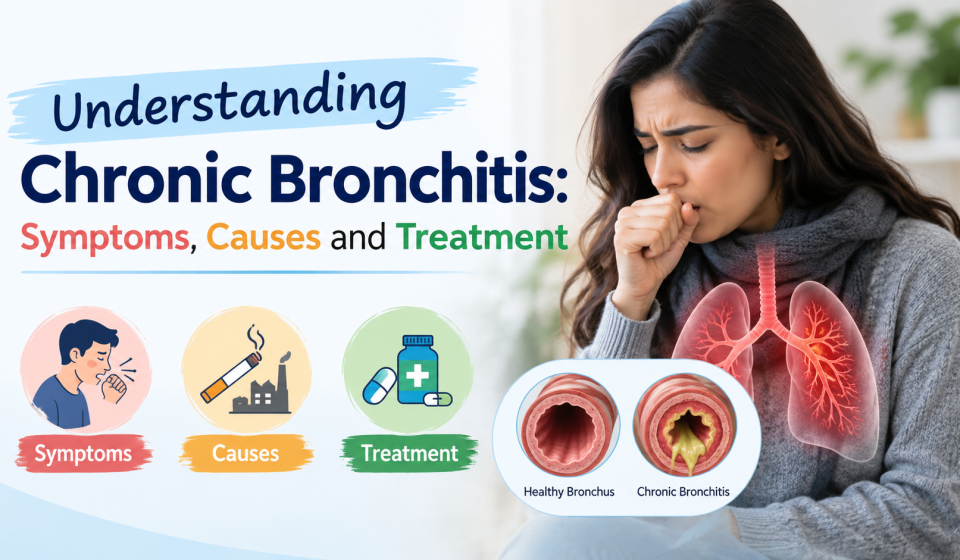

Learn about chronic bronchitis, including its symptoms, causes, risk factors, diagnosis, treatment options, prevention tips, and when to seek medical care.
Chronic bronchitis is a common long-term respiratory condition that affects the airways of the lungs. It causes persistent inflammation and irritation of the bronchial tubes, which carry air to and from the lungs. One of the most noticeable symptoms is a long-lasting cough that produces mucus.
Many people initially mistake chronic bronchitis for a regular cough, seasonal allergy, or repeated chest infection. However, chronic bronchitis is different because its symptoms continue or return over a long period. Understanding its symptoms, causes, risk factors, diagnosis, treatment options, and prevention strategies can help people manage the condition and protect their lung health.
Chronic bronchitis is also one of the conditions associated with chronic obstructive pulmonary disease (COPD). Early recognition and appropriate medical care can help reduce symptoms, improve daily functioning, and lower the risk of complications.
What Is Chronic Bronchitis?
Bronchitis occurs when the lining of the bronchial tubes becomes inflamed. These airways normally allow air to travel between the lungs and the outside environment. When they become irritated and inflamed, the body may produce excess mucus.
There are two main forms of bronchitis:
- Acute bronchitis: Usually develops suddenly and often occurs after a viral respiratory infection. It generally improves within a few weeks.
- Chronic bronchitis: A long-term condition involving a productive cough and mucus production that occurs for at least three months in two consecutive years, after other causes of chronic cough have been considered.
Chronic bronchitis can make breathing more difficult because inflammation and excess mucus narrow the airways. In some people, symptoms may gradually become worse over time.
Common Symptoms of Chronic Bronchitis
The symptoms of chronic bronchitis can vary from person to person. Some people may experience mild symptoms, while others can develop significant breathing difficulties.
1. Persistent Cough
A persistent cough is one of the most characteristic symptoms. The cough may occur frequently throughout the day and may continue for months.
Unlike a temporary cough caused by a cold, chronic bronchitis involves a recurring or persistent cough over an extended period.
2. Mucus Production
People with chronic bronchitis often cough up mucus or phlegm. The mucus may be clear, white, yellowish, or greenish depending on various factors, including infections and inflammation.
Changes in the amount or appearance of mucus should be discussed with a healthcare professional, particularly if they occur suddenly.
3. Shortness of Breath
Inflammation and mucus accumulation can make it harder for air to move through the airways. As a result, people may experience shortness of breath.
Breathing difficulty may initially occur during activities such as walking quickly, climbing stairs, or exercising. In more advanced cases, it may occur even during routine activities.
4. Wheezing
Wheezing is a high-pitched or whistling sound that can occur while breathing. It happens when air moves through narrowed airways.
Persistent wheezing should not be ignored because it can also occur with asthma, COPD, respiratory infections, and other conditions.
5. Chest Discomfort
Frequent coughing may cause soreness or discomfort in the chest muscles. Some people may also experience a feeling of tightness or heaviness in the chest.
Severe, sudden, or unexplained chest pain requires immediate medical evaluation because it may have causes other than bronchitis.
6. Fatigue
Long-term coughing and difficulty breathing can make everyday activities more tiring. People with chronic bronchitis may feel tired more often, especially when symptoms are poorly controlled.
What Causes Chronic Bronchitis?
Chronic bronchitis usually develops because the airways are repeatedly exposed to substances that irritate the lungs.
Smoking
Cigarette smoking is one of the most important risk factors for chronic bronchitis. Tobacco smoke contains numerous chemicals that irritate the respiratory system and can cause long-term inflammation.
Both current smoking and prolonged exposure to tobacco smoke can increase the risk of developing chronic respiratory disease.
Quitting smoking is one of the most important steps a person can take to protect their lungs.
Secondhand Smoke
You do not necessarily have to smoke yourself to be exposed to tobacco-related lung damage. Regular exposure to secondhand smoke can also irritate the respiratory system.
People living or working around smokers may have increased exposure to harmful substances.
Air Pollution
Long-term exposure to polluted air can irritate the lungs. Traffic pollution, industrial emissions, smoke, and other airborne pollutants may contribute to respiratory problems.
People who live in areas with poor air quality or work in polluted environments may need to take additional precautions.
Workplace Exposure
Certain occupations expose workers to dust, fumes, chemical vapors, and other respiratory irritants.
Workers in industries involving construction, mining, manufacturing, chemical processing, agriculture, and similar environments may have increased respiratory exposure.
Appropriate workplace safety equipment and ventilation can help reduce exposure.
Repeated Respiratory Irritation
Repeated exposure to infections and other irritants may contribute to ongoing airway inflammation, particularly when combined with other risk factors.
Who Is at Higher Risk?
Although chronic bronchitis can affect different people, certain factors increase the likelihood of developing it.
Risk factors may include:
- Long-term cigarette smoking
- Exposure to secondhand smoke
- Long-term exposure to air pollution
- Workplace exposure to dust or chemical fumes
- Increasing age
- History of repeated respiratory problems
- Certain genetic factors
- Existing lung conditions
Not everyone with these risk factors develops chronic bronchitis, but reducing avoidable exposures can help protect lung health.
Chronic Bronchitis and COPD
Chronic bronchitis is closely associated with COPD, a group of progressive lung diseases that cause persistent airflow limitation.
COPD commonly includes chronic bronchitis and emphysema, although not everyone with chronic bronchitis has COPD.
If a person has a persistent productive cough, frequent breathing difficulties, wheezing, or repeated respiratory symptoms, a healthcare professional may evaluate them for COPD and other lung conditions.
Early diagnosis is important because appropriate treatment and lifestyle changes can help slow disease progression and improve quality of life.
How Is Chronic Bronchitis Diagnosed?
There is no single symptom that confirms chronic bronchitis. A doctor generally considers the person’s medical history, symptoms, smoking or exposure history, and physical examination.
Medical History
The healthcare professional may ask about:
- How long the cough has lasted
- Whether mucus is produced
- Smoking history
- Exposure to dust, smoke, or chemicals
- Breathing difficulties
- Previous lung infections
- Other medical conditions
- Medications being used
Physical Examination
A doctor may listen to the lungs using a stethoscope to identify abnormal breathing sounds such as wheezing.
Lung Function Tests
Spirometry is an important test used to assess how well the lungs are working. It measures how much air a person can breathe out and how quickly they can do so.
Depending on the symptoms and clinical situation, doctors may recommend additional tests such as chest imaging or other investigations to rule out infections, asthma, lung cancer, or other causes of chronic cough.
Treatment for Chronic Bronchitis
Treatment depends on the underlying cause, severity of symptoms, and whether the person has COPD or another respiratory condition.
1. Stop Smoking
For smokers, quitting tobacco is one of the most important treatments. Stopping smoking reduces continued exposure to harmful substances and can help protect remaining lung function.
People who find it difficult to quit should speak with a healthcare professional about evidence-based smoking cessation support.
2. Bronchodilator Medicines
Doctors may prescribe inhaled medicines called bronchodilators. These medications help relax airway muscles and improve airflow.
Different inhalers work in different ways, so they should only be used according to medical advice.
3. Inhaled Corticosteroids
In some patients, doctors may prescribe inhaled corticosteroids to reduce airway inflammation. They are not appropriate for everyone with chronic bronchitis and are generally used according to the person’s specific diagnosis and treatment plan.
4. Pulmonary Rehabilitation
Pulmonary rehabilitation is a structured program that may include exercise training, breathing techniques, education, and lifestyle guidance.
It can be particularly helpful for people with COPD-related breathing difficulties.
5. Oxygen Therapy
People with significantly low blood oxygen levels may require supplemental oxygen. This should only be used when recommended and prescribed by a healthcare professional.
6. Treating Respiratory Infections
People with chronic lung disease may experience episodes in which respiratory symptoms suddenly become worse. These episodes can sometimes be triggered by infections.
Antibiotics are not routinely useful for viral infections, so they should not be taken without medical advice.
Lifestyle Changes That Can Help
Medical treatment is important, but everyday habits can also play a major role in managing chronic respiratory symptoms.
Avoid Tobacco Smoke
Avoid smoking and try to stay away from environments filled with tobacco smoke.
Reduce Exposure to Air Pollution
When outdoor air quality is poor, limiting prolonged outdoor exposure may be helpful. People with respiratory conditions should follow local air-quality recommendations.
Exercise Safely
Regular physical activity can support overall fitness. However, people with significant breathing problems should discuss an appropriate exercise plan with their healthcare provider.
Maintain a Healthy Diet
A balanced diet containing vegetables, fruits, whole grains, protein sources, and adequate fluids can support overall health.
Staying hydrated may also help some people manage thick respiratory secretions, although individual needs vary.
Follow the Inhaler Technique
Using an inhaler incorrectly can reduce how much medicine reaches the lungs. Ask a healthcare professional to demonstrate the correct technique and check it periodically.
How to Prevent Chronic Bronchitis
Not every case can be prevented, but several steps can reduce the risk.
Quit Smoking
If you smoke, quitting is one of the most effective ways to protect your lungs.
Avoid Secondhand Smoke
Keep your home and vehicle smoke-free and minimize exposure to tobacco smoke.
Protect Yourself at Work
If your work involves dust, fumes, or chemicals, use appropriate protective equipment and follow workplace safety procedures.
Maintain Good Indoor Air Quality
Regular ventilation and reducing exposure to indoor pollutants can help create a healthier breathing environment.
Stay Up to Date With Recommended Vaccinations
People with chronic respiratory conditions may benefit from recommended vaccines that help reduce the risk of certain respiratory infections. Discuss vaccination needs with a healthcare professional based on your age, health status, and local recommendations.
When Should You See a Doctor?
A persistent cough should not automatically be assumed to be a minor infection.
Speak with a healthcare professional if you experience:
- A cough that continues for several weeks
- Persistent mucus production
- Repeated episodes of bronchitis
- Shortness of breath
- Persistent wheezing
- Reduced ability to perform normal activities
- Frequent respiratory infections
- Symptoms that are getting progressively worse
Seek Urgent Medical Attention If:
You experience severe difficulty breathing, bluish lips or face, confusion, coughing up significant amounts of blood, severe chest pain, or rapidly worsening symptoms, seek urgent medical care.
These symptoms can indicate a serious medical problem and should not be attributed to chronic bronchitis without evaluation.
Chronic Bronchitis in Older Adults
Older adults may have a higher risk of chronic respiratory problems. Symptoms can sometimes be mistaken for normal aging, especially when shortness of breath develops gradually.
Persistent coughing, reduced exercise tolerance, and breathing difficulties should be evaluated rather than simply being considered a normal part of getting older.
Early assessment can help identify COPD and other respiratory conditions.
Can Chronic Bronchitis Be Cured?
Whether chronic bronchitis can be completely reversed depends on its underlying cause and whether permanent lung damage has developed.
Stopping smoking, avoiding lung irritants, following prescribed treatment, exercising appropriately, and managing other health conditions can significantly help control symptoms and protect lung function.
For people with COPD, treatment generally focuses on managing symptoms, preventing flare-ups, improving quality of life, and slowing disease progression.
Therefore, chronic bronchitis should be viewed as a condition that requires long-term management rather than self-treatment.
Sources
https://sl1nk.com/4dgxy1w
https://sl1nk.com/cghwwgy
Conclusion
Chronic bronchitis is a long-term respiratory condition characterized by persistent airway inflammation and excessive mucus production. A chronic productive cough, shortness of breath, wheezing, and fatigue are some of its common symptoms.
Smoking is one of the major causes, but exposure to secondhand smoke, air pollution, workplace dust, and chemical fumes can also increase the risk. Chronic bronchitis may occur as part of COPD, making proper medical evaluation particularly important.
Treatment can include smoking cessation, prescribed inhalers, pulmonary rehabilitation, oxygen therapy when necessary, and lifestyle changes. Regular medical follow-up can help monitor symptoms and reduce complications.
The most important step is not to ignore a persistent cough or breathing difficulty. Early evaluation, avoiding lung irritants, and following a personalized treatment plan can help people maintain better respiratory health and quality of life.
Frequently Asked Questions (FAQs)
1. What is the main symptom of chronic bronchitis?
The main symptom is a persistent cough that produces mucus. Other symptoms can include wheezing, shortness of breath, chest discomfort, and fatigue.
2. Is chronic bronchitis the same as acute bronchitis?
No. Acute bronchitis usually develops suddenly, often after a respiratory infection, and generally improves within a few weeks. Chronic bronchitis is a long-term condition involving recurrent or persistent productive cough over an extended period.
3. Can smoking cause chronic bronchitis?
Yes. Long-term cigarette smoking is one of the major risk factors for chronic bronchitis. Quitting smoking is an important step toward protecting lung health.
4. Can chronic bronchitis be cured?
It depends on the underlying cause and whether permanent lung damage has developed. Symptoms can often be managed with appropriate medical treatment and lifestyle changes. If chronic bronchitis is associated with COPD, long-term management is usually required.
5. When should I see a doctor for a chronic cough?
You should speak with a healthcare professional if your cough persists for several weeks, produces ongoing mucus, is accompanied by shortness of breath or wheezing, or repeatedly returns.