
Discover how clinics are reducing health disparities in underserved communities through affordable care, telemedicine, preventive services, community outreach, and patient-centered healthcare solutions.
Healthcare is a fundamental human need, yet millions of people worldwide continue to face barriers to accessing quality medical care. Underserved communities, including low-income populations, rural residents, minority groups, and uninsured individuals, often experience significant health disparities. These disparities can lead to higher rates of chronic diseases, lower life expectancy, and poorer overall health outcomes.
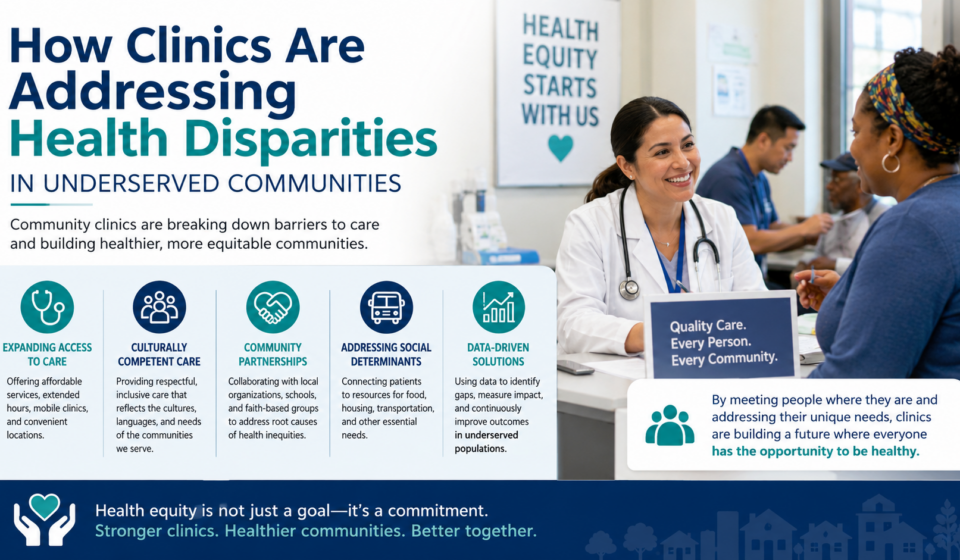
Clinics play a vital role in bridging these healthcare gaps. Through innovative programs, community outreach, preventive care initiatives, and technology-driven solutions, healthcare clinics are actively working to improve health equity and ensure that everyone receives the care they need.
This article explores how clinics are addressing health disparities in underserved communities and creating a more accessible healthcare system for all.
Understanding Health Disparities
Health disparities refer to preventable differences in health outcomes among different groups of people. These differences are often influenced by social, economic, environmental, and geographic factors.
Common causes of health disparities include:
- Limited access to healthcare facilities
- Lack of health insurance coverage
- Financial constraints
- Transportation challenges
- Language and cultural barriers
- Lower health literacy levels
- Shortage of healthcare professionals in rural areas
When these challenges remain unaddressed, communities often experience higher rates of diabetes, heart disease, obesity, hypertension, and other chronic conditions.
Expanding Access to Affordable Healthcare Services
One of the primary ways clinics are addressing health disparities is by making healthcare more affordable and accessible.
Many community clinics offer:
- Sliding-scale payment options
- Reduced-cost consultations
- Free health screenings
- Financial assistance programs
- Low-cost prescription services
These programs help patients receive timely medical attention without delaying treatment due to financial concerns. By removing cost barriers, clinics encourage individuals to seek preventive care and early diagnosis.
Bringing Healthcare Services Closer to Communities
Distance can be a significant obstacle for individuals living in rural or underserved areas. Many clinics are solving this issue by establishing healthcare services directly within communities.
Examples include:
Mobile Health Clinics
Mobile clinics travel to neighborhoods, schools, workplaces, and rural regions to provide essential healthcare services.
Services often include:
- Vaccinations
- Health screenings
- Maternal healthcare
- Chronic disease management
- Basic medical consultations
These mobile units help reach patients who may otherwise struggle to access healthcare facilities.
Community-Based Health Centers
Community health centers are strategically located in underserved areas to provide comprehensive primary care services.
These centers focus on:
- Family medicine
- Pediatric care
- Women’s health services
- Preventive healthcare
- Behavioral health support
Their presence significantly improves healthcare accessibility and continuity of care.
Promoting Preventive Healthcare Programs
Preventive care is one of the most effective ways to reduce long-term health disparities.
Many clinics actively educate communities about:
- Healthy eating habits
- Physical activity
- Disease prevention
- Smoking cessation
- Mental wellness
- Routine health screenings
Preventive healthcare services commonly offered include:
- Blood pressure checks
- Cholesterol screenings
- Diabetes testing
- Cancer screenings
- Vaccinations
Early detection allows healthcare providers to identify health issues before they become severe or costly to treat.
Leveraging Telemedicine to Improve Healthcare Access
Telemedicine has transformed healthcare delivery, particularly for underserved populations.
Through virtual consultations, patients can connect with healthcare providers using smartphones, tablets, or computers.
Benefits of telemedicine include:
- Reduced travel time
- Lower transportation costs
- Faster access to specialists
- Improved follow-up care
- Greater convenience for elderly patients
Telehealth services have become especially valuable in rural areas where healthcare providers may be limited.
Clinics that integrate telemedicine into their services can significantly expand healthcare access and improve patient outcomes.
Addressing Cultural and Language Barriers
Healthcare communication plays a crucial role in patient outcomes.
Many underserved communities consist of diverse populations with different cultural backgrounds and languages. Miscommunication can lead to misunderstandings about diagnoses, treatments, and preventive care recommendations.
To address these challenges, clinics often provide:
- Multilingual healthcare staff
- Professional medical interpreters
- Culturally sensitive care programs
- Translated educational materials
- Community health advocates
By fostering trust and improving communication, clinics help patients feel more comfortable seeking medical care and following treatment plans.
Strengthening Mental Health Services
Mental health disparities remain a significant concern in underserved communities.
Many individuals face barriers such as:
- Limited mental health providers
- Financial challenges
- Social stigma
- Lack of awareness
To improve access, clinics are increasingly integrating behavioral health services into primary care settings.
Common mental health services include:
- Counseling
- Anxiety management
- Depression treatment
- Substance abuse support
- Stress management programs
Integrated care models allow patients to receive both physical and mental healthcare in one location, leading to better overall wellness.
Supporting Chronic Disease Management
Chronic diseases disproportionately affect underserved populations due to limited access to healthcare and preventive services.
Clinics are implementing specialized programs to help patients manage conditions such as:
- Diabetes
- Hypertension
- Heart disease
- Asthma
- Obesity
These programs often include:
- Regular health monitoring
- Medication management
- Lifestyle counseling
- Nutrition education
- Personalized treatment plans
Effective chronic disease management helps reduce hospitalizations and improves long-term health outcomes.
Building Community Partnerships
Healthcare clinics recognize that improving community health requires collaboration.
Many clinics partner with:
- Schools
- Nonprofit organizations
- Local governments
- Faith-based organizations
- Community centers
These partnerships help deliver:
- Health education workshops
- Vaccination drives
- Nutrition programs
- Health screenings
- Wellness campaigns
Community partnerships enable clinics to reach larger populations and address broader social determinants of health.
Focusing on Maternal and Child Health
Women and children in underserved communities often face higher health risks due to inadequate access to healthcare services.
Clinics are addressing these challenges through:
Prenatal Care Programs
Regular prenatal visits help reduce complications during pregnancy and childbirth.
Pediatric Healthcare Services
Children receive:
- Routine checkups
- Immunizations
- Developmental screenings
- Nutritional guidance
Family Planning Services
Family planning programs empower individuals to make informed healthcare decisions and improve reproductive health outcomes.
These initiatives contribute to healthier families and stronger communities.
Improving Health Education and Literacy
Health literacy significantly influences a person’s ability to make informed healthcare decisions.
Many clinics provide educational resources that help patients understand:
- Medical conditions
- Treatment options
- Medication instructions
- Preventive care practices
- Healthy lifestyle habits
Educational initiatives often include:
- Community workshops
- Health fairs
- Online resources
- Printed educational materials
Improved health literacy leads to better patient engagement and healthier behaviors.
Using Data to Identify Healthcare Gaps
Modern clinics increasingly use healthcare data to identify disparities and improve service delivery.
Data analysis helps clinics:
- Track disease prevalence
- Monitor patient outcomes
- Identify underserved populations
- Measure program effectiveness
- Allocate resources efficiently
By understanding community needs through data, clinics can develop targeted interventions that address specific healthcare challenges.
The Future of Health Equity Through Clinics
Healthcare clinics continue to evolve their approaches to reducing disparities and improving access to care.
Emerging strategies include:
- Expanded telehealth services
- Artificial intelligence for patient outreach
- Community health worker programs
- Mobile healthcare technologies
- Integrated healthcare models
These innovations will help create a more equitable healthcare system where quality care is available to everyone, regardless of income, location, or background.
Sources
https://l1nq.com/54xfb5q
https://sl1nk.com/1cz3rcs
Conclusion
Health disparities remain a major challenge for underserved communities, but clinics are making significant progress in addressing these inequalities. Through affordable healthcare services, community outreach programs, telemedicine, preventive care, chronic disease management, and culturally sensitive healthcare practices, clinics are helping bridge critical gaps in access to care.
As healthcare systems continue to innovate and prioritize health equity, clinics will remain at the forefront of creating healthier communities. Their commitment to improving accessibility, education, and patient-centered care is essential for ensuring that every individual has the opportunity to achieve better health outcomes.
Frequently Asked Questions (FAQs)
What are health disparities in healthcare?
Health disparities are preventable differences in health outcomes and healthcare access among different populations caused by social, economic, geographic, or environmental factors.
How do community clinics help underserved populations?
Community clinics provide affordable healthcare, preventive services, chronic disease management, mental health support, and health education to improve access to quality care.
Why is telemedicine important for underserved communities?
Telemedicine reduces travel barriers, improves access to specialists, lowers healthcare costs, and provides convenient medical consultations for patients in remote areas.
What role do clinics play in preventive healthcare?
Clinics offer vaccinations, health screenings, wellness education, and early disease detection services that help prevent serious health conditions.
How do clinics address language and cultural barriers?
Many clinics employ multilingual staff, interpreters, culturally sensitive care practices, and translated educational materials to improve patient communication and trust.