
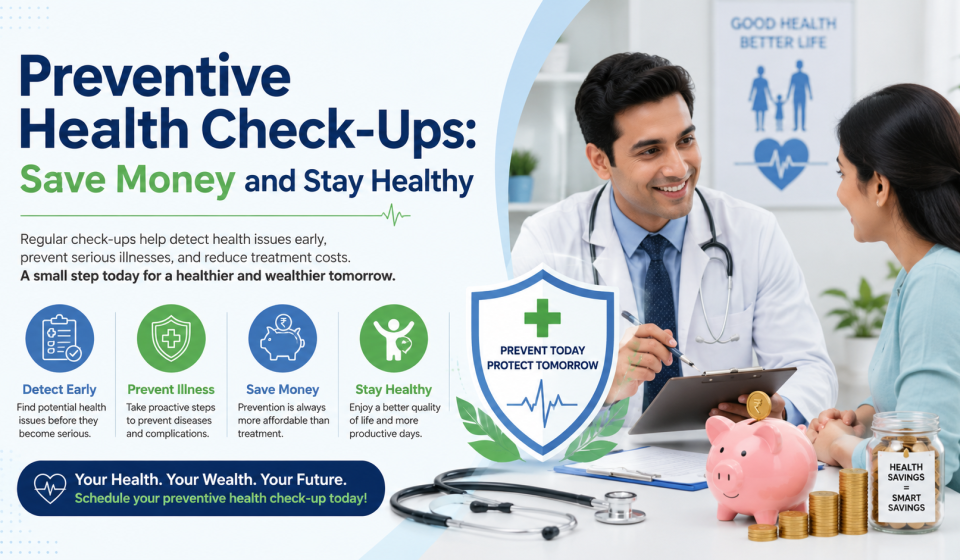

Discover how preventive health check-ups help detect diseases early, reduce medical expenses, and improve overall well-being. Learn why regular health screenings are a smart investment for a healthier future.
Many people visit a doctor only when they feel sick. While this approach may seem practical, it often leads to delayed diagnosis and higher treatment costs. Preventive health check-ups offer a smarter alternative. They help identify potential health issues before they become serious, allowing individuals to receive timely treatment and avoid expensive medical procedures later.
In today’s fast-paced lifestyle, stress, unhealthy eating habits, lack of exercise, and environmental factors have increased the risk of chronic diseases such as diabetes, hypertension, heart disease, and obesity. Regular preventive health check-ups can play a major role in maintaining long-term health while reducing healthcare expenses.
What Are Preventive Health Check-Ups?
Preventive health check-ups are medical examinations and screening tests performed even when a person does not have any symptoms. The purpose is to identify health risks, detect diseases at an early stage, and provide guidance for maintaining good health.
These check-ups may include:
- Blood pressure monitoring
- Blood sugar testing
- Cholesterol screening
- Complete blood count (CBC)
- Liver and kidney function tests
- Thyroid profile
- Body Mass Index (BMI) assessment
- Cancer screenings
- Eye and dental examinations
- Heart health evaluations
The exact tests recommended often depend on age, gender, family history, and lifestyle factors.
Why Preventive Health Check-Ups Matter
Many serious diseases develop silently over time. Conditions such as high blood pressure, diabetes, and high cholesterol may not show noticeable symptoms during their early stages. By the time symptoms appear, the disease may already have caused significant damage.
Preventive screenings help detect these conditions early when treatment is simpler, more effective, and less costly. Early detection can significantly improve treatment outcomes and quality of life.
For example, a routine blood sugar test may identify prediabetes, allowing lifestyle changes that prevent the development of full diabetes. Similarly, detecting high cholesterol early can reduce the risk of future heart attacks and strokes.
Financial Benefits of Preventive Health Check-Ups
One of the biggest advantages of preventive healthcare is cost savings.
1. Reduced Treatment Costs
Treating diseases in their early stages is generally less expensive than managing advanced conditions. For example, controlling high blood pressure through medication and lifestyle modifications costs far less than treating complications such as heart disease or kidney failure.
2. Fewer Hospital Admissions
Regular monitoring can help prevent health emergencies that often require hospitalization. Avoiding hospital stays not only saves money but also reduces emotional stress for patients and families.
3. Lower Long-Term Medical Expenses
Chronic diseases require ongoing treatment, medications, and specialist consultations. Early intervention can help delay or prevent these conditions, reducing long-term healthcare costs.
4. Improved Productivity
Good health enables individuals to work efficiently and avoid frequent sick days. This can result in higher productivity and reduced income loss caused by illness.
Common Diseases Detected Through Preventive Screenings
Preventive health check-ups can identify a wide range of conditions, including:
Diabetes
India is often referred to as the diabetes capital of the world. Routine blood sugar tests can identify diabetes or prediabetes before complications occur.
High Blood Pressure
Hypertension is often called a “silent killer” because it usually causes no symptoms until severe complications develop. Regular monitoring helps maintain healthy blood pressure levels.
Heart Disease
Heart-related screenings can detect risk factors such as high cholesterol, obesity, and abnormal heart rhythms.
Thyroid Disorders
Thyroid problems can affect metabolism, energy levels, and overall health. Early diagnosis allows effective management.
Cancer
Certain cancers, including breast, cervical, colorectal, and prostate cancer, can often be detected early through recommended screening tests.
Kidney and Liver Disease
Routine blood and urine tests can reveal early signs of organ dysfunction before noticeable symptoms develop.
Real-Life Example
Consider Rajesh, a 42-year-old office worker from Ahmedabad. He felt completely healthy and rarely visited a doctor. During a company-sponsored preventive health check-up, doctors discovered elevated blood sugar levels and high cholesterol.
Because the problem was identified early, Rajesh adopted healthier eating habits, started exercising regularly, and followed medical advice. Within a year, his health indicators improved significantly, helping him avoid future complications and expensive treatments.
Without that preventive check-up, the condition might have remained undetected until it caused serious health issues.
Who Should Get Regular Health Check-Ups?
Preventive health screenings are beneficial for everyone, but certain groups should pay particular attention:
Adults Above 30
Lifestyle-related diseases often begin developing after the age of 30. Annual check-ups can help detect risk factors early.
Individuals with Family History of Disease
People with a family history of diabetes, heart disease, cancer, or hypertension may require more frequent screenings.
Working Professionals
Sedentary jobs, stress, irregular meals, and lack of exercise increase health risks among office workers.
Senior Citizens
Older adults face a higher risk of chronic illnesses and benefit greatly from routine health assessments.
Smokers and Alcohol Consumers
Individuals with these habits may require specialized screening to monitor potential health complications.
Essential Components of a Preventive Health Check-Up
A comprehensive preventive health package typically includes:
- Medical history review
- Physical examination
- Blood pressure measurement
- Blood sugar testing
- Lipid profile
- Complete blood count
- Kidney function test
- Liver function test
- Thyroid profile
- Urine examination
- ECG or heart screening
- BMI assessment
Additional tests may be recommended based on individual health conditions and risk factors.
How Often Should You Get Checked?
The frequency of preventive health check-ups depends on age and health status.
- Adults aged 18–30: Every 2–3 years if healthy
- Adults aged 30–45: Once a year
- Adults over 45: Annual or more frequent screenings as advised
- Individuals with chronic conditions: Follow physician recommendations
Regular consultations with healthcare professionals can help determine the most appropriate schedule.
Tips to Get the Most Value from Health Check-Ups
To maximize the benefits of preventive screenings:
- Maintain a record of previous reports.
- Share family medical history with your doctor.
- Follow fasting instructions when required.
- Discuss lifestyle habits honestly.
- Follow up on abnormal test results promptly.
- Implement recommended lifestyle changes.
Health check-ups are most effective when individuals actively participate in improving their health.
The Growing Importance of Preventive Healthcare in India
Healthcare costs continue to rise, making prevention more important than ever. Many employers and insurance providers now encourage preventive health screenings because they reduce the burden of serious illnesses and long-term medical expenses.
Awareness campaigns, improved healthcare access, and advanced diagnostic technologies have made preventive care more affordable and accessible across India. As a result, more people are recognizing the value of routine health assessments as an investment in their future well-being.
Conclusion
Preventive health check-ups are one of the simplest and most effective ways to protect your health and finances. They help detect diseases early, reduce treatment costs, prevent complications, and support a better quality of life. Rather than waiting for symptoms to appear, individuals can take a proactive approach to healthcare through regular screenings and medical evaluations.
Investing in preventive care today can save significant money, time, and stress in the future. Whether you are a young professional, a parent, or a senior citizen, scheduling regular health check-ups is a smart step toward a healthier and more secure life.
Frequently Asked Questions (FAQs)
1. What is the main purpose of a preventive health check-up?
The primary purpose is to detect diseases and health risks early before symptoms develop, allowing timely treatment and better health outcomes.
2. At what age should preventive health check-ups start?
Basic preventive screenings can begin in early adulthood, while comprehensive annual check-ups are generally recommended after the age of 30.
3. Can preventive health check-ups really save money?
Yes. Early detection often prevents costly treatments, hospitalizations, surgeries, and long-term management of advanced diseases.
4. How often should I undergo a preventive health screening?
Most adults should consider annual health check-ups, although the frequency may vary depending on age, medical history, and risk factors.
5. Are preventive health check-ups covered by health insurance?
Many health insurance plans in India include preventive health check-up benefits. Coverage details vary by insurer and policy.