
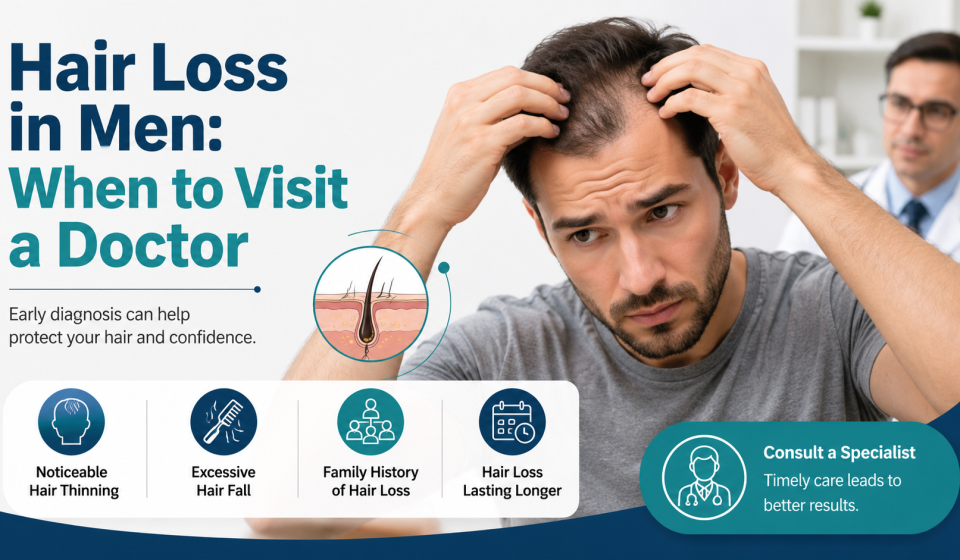

Learn about the common causes of hair loss in men, warning signs to watch for, when to visit a doctor, available treatments, and practical tips to manage hair thinning effectively.
Hair loss is one of the most common concerns affecting men worldwide. While losing a few strands of hair every day is completely normal, excessive hair shedding or noticeable thinning can become a source of stress, anxiety, and reduced self-confidence. For many men, hair is closely linked to their appearance and identity, making hair loss an emotional as well as a physical concern.
According to medical experts, most men experience some degree of hair loss during their lifetime. Some may notice a receding hairline in their twenties, while others may develop significant baldness later in life. Although genetics plays a major role, several other factors, including hormonal changes, stress, nutritional deficiencies, medical conditions, and lifestyle habits, can contribute to hair loss.
The good news is that many forms of hair loss can be managed or treated effectively, especially when identified early. Understanding when hair loss is normal and when it signals a medical problem is essential. This article explains the common causes of hair loss in men, symptoms that require medical attention, available treatments, and practical prevention strategies.
Understanding Normal Hair Loss
Most people lose between 50 and 100 hairs every day as part of the natural hair growth cycle. Hair follicles continuously go through three phases:
- Anagen phase: Active growth stage
- Catagen phase: Transitional stage
- Telogen phase: Resting and shedding stage
Since new hair usually replaces shed hair, occasional hair fall is not a cause for concern. Problems occur when hair loss becomes excessive, new hair growth slows down, or bald patches start developing.
Common Types of Hair Loss in Men
1. Male Pattern Baldness (Androgenetic Alopecia)
Male pattern baldness is the leading cause of hair loss in men. It affects millions worldwide and is primarily caused by genetic and hormonal factors.
Common signs include:
- Receding hairline
- Thinning at the crown
- Gradual widening of bald areas
- Hair becoming finer over time
This condition usually develops gradually and may begin as early as the late teens or twenties.
2. Alopecia Areata
Alopecia areata is an autoimmune condition where the immune system mistakenly attacks hair follicles.
Symptoms include:
- Sudden round bald patches
- Patchy hair loss on the scalp
- Hair loss in beard areas
- Occasionally, loss of eyebrows or eyelashes
This condition can affect men of any age.
3. Telogen Effluvium
This type of hair loss occurs when a large number of hair follicles enter the shedding phase prematurely.
Possible triggers include:
- High fever
- Surgery
- Severe emotional stress
- Significant weight loss
- Major illness
- Nutritional deficiencies
Hair loss typically occurs two to three months after the triggering event.
4. Traction Alopecia
This occurs due to repeated pulling or tension on hair follicles.
Common causes include:
- Tight hairstyles
- Hair extensions
- Frequent use of hair accessories
- Repetitive hair styling practices
If identified early, this type of hair loss can often be reversed.
5. Hair Loss Due to Medical Conditions
Several health problems can contribute to hair loss, including:
- Thyroid disorders
- Iron deficiency anemia
- Vitamin deficiencies
- Hormonal imbalances
- Autoimmune diseases
- Scalp infections
- Chronic illnesses
In such cases, treating the underlying condition often improves hair growth.
What Causes Hair Loss in Men?
Hair loss can occur due to multiple reasons, including:
Genetics
Family history remains the strongest risk factor for male pattern baldness. If your father, grandfather, or close relatives experienced hair loss, you may have a higher risk.
Hormonal Changes
The hormone dihydrotestosterone (DHT) plays a major role in male pattern hair loss. DHT gradually shrinks hair follicles, causing thinner and shorter hair growth.
Stress
Physical and emotional stress can significantly affect the hair growth cycle. Examples include:
- Divorce
- Job loss
- Surgery
- Accidents
- Severe illness
- Sleep deprivation
Nutritional Deficiencies
Lack of essential nutrients can contribute to hair thinning.
Important nutrients for hair health include:
- Iron
- Zinc
- Protein
- Vitamin D
- Biotin
- Vitamin B12
- Omega-3 fatty acids
Medical Conditions
Several diseases may trigger hair loss, such as:
- Diabetes
- Thyroid disease
- Lupus
- Psoriasis
- Autoimmune disorders
Medications
Certain medications can also cause hair loss, including:
- Chemotherapy drugs
- Blood pressure medications
- Antidepressants
- Blood thinners
- Hormonal therapies
Early Signs That Should Not Be Ignored
Many men ignore the initial symptoms of hair loss because they assume it is a normal part of aging. However, early diagnosis often leads to better treatment outcomes.
Watch for signs such as:
- Increased hair on pillows
- Excessive hair in the shower drain
- Receding hairline
- Thinning crown area
- Visible scalp
- Widening part line
- Sudden bald patches
- Increased hair breakage
- Hair becoming noticeably thinner
Taking photographs every few months can help identify gradual changes.
When Should Men Visit a Doctor for Hair Loss?
While mild hair thinning may not require immediate medical attention, certain situations warrant a professional evaluation.
Visit a doctor if:
1. Hair Loss Is Sudden
Sudden hair loss often indicates an underlying medical condition or autoimmune disorder that requires treatment.
2. Hair Loss Occurs in Patches
Patchy hair loss can suggest conditions like alopecia areata or fungal scalp infections.
3. You Notice Scalp Symptoms
Consult a doctor if hair loss is accompanied by:
- Redness
- Pain
- Swelling
- Itching
- Scaling
- Burning sensations
4. Hair Loss Starts at a Young Age
If you begin losing hair in your late teens or early twenties, early treatment may slow progression significantly.
5. Hair Loss Affects Your Mental Health
Hair loss can impact:
- Self-esteem
- Confidence
- Social interactions
- Mental wellbeing
Seeking medical help can improve both physical appearance and emotional health.
6. You Have Other Symptoms
Visit a doctor if hair loss occurs along with:
- Fatigue
- Weight changes
- Skin problems
- Changes in nails
- Hormonal symptoms
These may indicate an underlying medical condition.
Which Doctor Should You Consult?
Several healthcare professionals can help diagnose and manage hair loss:
Dermatologist
A dermatologist specializes in skin, hair, and scalp disorders and is usually the best first choice.
Trichologist
Trichologists focus specifically on hair and scalp problems.
Endocrinologist
If hormonal imbalances are suspected, an endocrinologist may be involved.
How Doctors Diagnose Hair Loss
Doctors typically perform several evaluations, including:
Medical History
Questions may include:
- Family history of hair loss
- Diet and nutrition
- Recent illnesses
- Stress levels
- Medications
- Lifestyle habits
Physical Examination
The doctor examines:
- Hair density
- Hairline pattern
- Scalp condition
- Bald patches
Blood Tests
Common tests include:
- Thyroid profile
- Iron levels
- Vitamin D
- Vitamin B12
- Hormonal evaluation
- Complete blood count
Hair Pull Test
This helps determine the severity and type of hair shedding.
Scalp Biopsy
In rare cases, a small scalp sample may be collected for detailed examination.
Treatment Options for Male Hair Loss
Treatment depends on the underlying cause.
Medications
Commonly prescribed medications include:
- Minoxidil
- Finasteride
- Dutasteride (in selected cases)
These treatments work best when started early.
Platelet-Rich Plasma (PRP) Therapy
PRP treatment involves injecting concentrated platelets from your own blood into the scalp to stimulate hair growth.
Low-Level Laser Therapy
Laser devices may help improve hair density in some men.
Hair Transplant Surgery
Hair transplantation can provide permanent results for suitable candidates.
Popular techniques include:
- FUE (Follicular Unit Extraction)
- FUT (Follicular Unit Transplantation)
Treatment of Underlying Conditions
If hair loss results from:
- Thyroid disease
- Nutritional deficiency
- Autoimmune disease
- Infection
Treating the underlying problem often restores hair growth.
Lifestyle Tips to Support Healthy Hair Growth
Although genetics cannot be changed, healthy habits can improve overall hair health.
Maintain a Balanced Diet
Include:
- Eggs
- Fish
- Nuts
- Seeds
- Green vegetables
- Fruits
- Lean protein
- Dairy products
Manage Stress
Helpful strategies include:
- Exercise
- Meditation
- Yoga
- Proper sleep
- Relaxation techniques
Avoid Excessive Hair Treatments
Reduce:
- Excessive heat styling
- Harsh chemicals
- Tight hairstyles
- Frequent coloring
Stop Smoking
Smoking may reduce blood flow to hair follicles and worsen hair loss.
Exercise Regularly
Physical activity improves circulation and supports overall hormonal balance.
Can Hair Loss Be Prevented?
Not all hair loss can be prevented, especially hereditary hair loss. However, early diagnosis and proper treatment can slow progression and improve outcomes.
Prevention strategies include:
- Eating a nutritious diet
- Managing stress
- Treating medical conditions promptly
- Avoiding harmful hair practices
- Consulting a doctor early when symptoms appear
Sources
https://sl1nk.com/rquq5jt
https://sl1nk.com/yc1qpfq
Final Thoughts
Hair loss is extremely common among men, but it should not always be dismissed as a normal part of aging. While male pattern baldness remains the most frequent cause, sudden or excessive hair loss may indicate an underlying health problem that requires medical attention.
The key to successful treatment is early intervention. If you notice rapid hair thinning, bald patches, scalp changes, or hair loss affecting your confidence and quality of life, consulting a healthcare professional can help identify the cause and provide effective treatment options.
Remember, modern medicine offers numerous solutions for managing hair loss, and seeking help early often leads to the best results.
Frequently Asked Questions (FAQs)
1. How much hair loss per day is considered normal?
Most men naturally lose between 50 and 100 hairs per day. Losing significantly more hair regularly may require medical evaluation.
2. At what age does male pattern baldness usually begin?
Male pattern baldness can begin as early as the late teens or early twenties, although it commonly becomes noticeable in the thirties or forties.
3. Can stress cause permanent hair loss?
Stress usually causes temporary hair loss, known as telogen effluvium. Hair often regrows once the underlying stress factor is resolved.
4. Which doctor should I see for hair loss?
A dermatologist is typically the best specialist to diagnose and treat hair loss problems.
5. Is hair transplant surgery permanent?
Yes, hair transplant procedures generally provide long-lasting and often permanent results when performed by experienced specialists.