
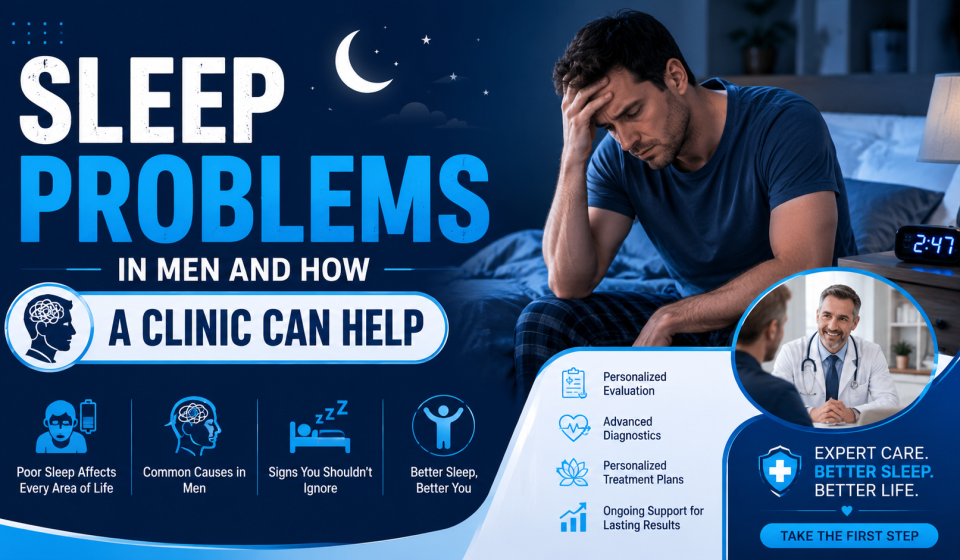

Sleep problems in men can affect physical health, mental well-being, and daily performance. Learn about common sleep disorders in men, their causes, symptoms, treatment options, and how a clinic can provide effective support for better sleep and overall health.
Sleep is one of the most important aspects of maintaining good health, yet millions of men around the world struggle with sleep-related problems. Whether it’s difficulty falling asleep, waking up frequently during the night, snoring heavily, or feeling exhausted despite getting enough hours of sleep, sleep disorders can significantly impact a man’s physical, emotional, and professional life.
In today’s fast-paced world, many men tend to ignore sleep problems, considering them a temporary inconvenience rather than a serious health concern. However, untreated sleep disorders can increase the risk of heart disease, diabetes, obesity, depression, anxiety, and reduced productivity. Fortunately, modern healthcare clinics offer comprehensive diagnosis, treatment, and support for men experiencing sleep-related issues.
This article explores common sleep problems in men, their causes, warning signs, health risks, and how a clinic can help improve sleep quality and overall well-being.
Why Sleep Is Important for Men’s Health
Sleep is not simply a period of rest. During sleep, the body performs essential functions such as:
- Repairing muscles and tissues
- Strengthening the immune system
- Regulating hormones
- Supporting memory and brain function
- Maintaining heart health
- Controlling metabolism and body weight
- Managing emotional health
Most adults require approximately 7 to 9 hours of quality sleep every night. When sleep becomes disrupted regularly, it can negatively affect almost every organ system in the body.
Common Sleep Problems in Men
1. Insomnia
Insomnia is one of the most common sleep disorders affecting men. It involves difficulty falling asleep, staying asleep, or waking up too early and being unable to return to sleep.
Common symptoms include:
- Difficulty falling asleep
- Frequent nighttime awakenings
- Waking up too early
- Daytime fatigue
- Poor concentration
- Irritability and mood changes
Insomnia may occur due to stress, anxiety, work pressure, medical conditions, medications, or poor sleep habits.
2. Sleep Apnea
Obstructive Sleep Apnea (OSA) is particularly common among men, especially those who are overweight or middle-aged. During sleep apnea, breathing repeatedly stops and starts due to airway obstruction.
Common symptoms include:
- Loud snoring
- Sudden gasping during sleep
- Morning headaches
- Dry mouth after waking
- Excessive daytime sleepiness
- Difficulty concentrating
Many men remain unaware they have sleep apnea until their partner notices their breathing interruptions during sleep.
3. Restless Legs Syndrome (RLS)
Restless Legs Syndrome causes an uncomfortable sensation in the legs and an irresistible urge to move them, especially during rest or bedtime.
Symptoms include:
- Tingling sensations
- Burning feelings
- Crawling sensations in the legs
- Difficulty staying asleep
- Frequent nighttime movements
This condition can severely disrupt sleep quality and contribute to daytime fatigue.
4. Shift Work Sleep Disorder
Men working night shifts, rotating shifts, or irregular work schedules often experience disrupted sleep patterns.
Common symptoms include:
- Difficulty sleeping during daytime
- Excessive tiredness at work
- Poor concentration
- Mood disturbances
- Reduced performance
Healthcare workers, factory employees, drivers, and security personnel are especially vulnerable.
5. Chronic Snoring
While occasional snoring may not be harmful, persistent heavy snoring can indicate underlying sleep disorders such as sleep apnea.
Snoring may result from:
- Obesity
- Nasal blockage
- Alcohol consumption
- Smoking
- Structural airway problems
Ignoring chronic snoring can delay the diagnosis of serious health conditions.
Why Men Often Ignore Sleep Problems
Many men delay seeking medical attention for sleep disorders due to several reasons:
- Belief that sleep problems are normal
- Busy work schedules
- Fear of diagnosis
- Underestimating symptoms
- Social stigma regarding health concerns
- Assuming symptoms will improve on their own
Unfortunately, delaying treatment often causes symptoms to worsen over time.
Causes of Sleep Problems in Men
Sleep disorders can develop due to multiple factors, including:
Lifestyle Factors
- Excessive caffeine intake
- Alcohol consumption
- Smoking
- Irregular sleep schedules
- Lack of physical activity
- Excessive screen time before bed
Psychological Factors
- Stress
- Anxiety disorders
- Depression
- Financial concerns
- Relationship problems
- Workplace pressure
Medical Conditions
- Obesity
- Diabetes
- Heart disease
- High blood pressure
- Thyroid disorders
- Chronic pain
- Respiratory diseases
Hormonal Changes
Hormonal imbalances, including low testosterone levels, can contribute to sleep disturbances in men.
Warning Signs You Should Not Ignore
Men should consult a healthcare provider if they experience:
- Difficulty sleeping for more than three weeks
- Loud snoring with breathing pauses
- Persistent daytime fatigue
- Morning headaches
- Difficulty concentrating
- Memory problems
- Mood swings
- Frequent nighttime awakenings
- Falling asleep during daily activities
- Reduced work performance
Early diagnosis can prevent serious complications.
Health Risks of Untreated Sleep Problems
Untreated sleep disorders can lead to significant health problems.
Cardiovascular Disease
Poor sleep increases the risk of:
- High blood pressure
- Heart attacks
- Stroke
- Irregular heartbeat
Diabetes
Sleep deprivation affects insulin regulation, increasing the risk of type 2 diabetes.
Obesity
Lack of sleep disrupts hormones that control hunger and appetite, leading to weight gain.
Mental Health Problems
Chronic sleep disorders are strongly associated with:
- Depression
- Anxiety
- Stress
- Irritability
Reduced Testosterone Levels
Poor sleep quality may contribute to lower testosterone production, affecting:
- Sexual health
- Fertility
- Energy levels
- Muscle strength
Reduced Productivity
Sleep deprivation impacts:
- Memory
- Decision-making
- Concentration
- Workplace performance
- Driving safety
How a Clinic Can Help Men With Sleep Problems
Modern healthcare clinics provide comprehensive evaluation and treatment for sleep disorders.
Medical Assessment
A doctor will evaluate:
- Sleep patterns
- Medical history
- Lifestyle habits
- Current medications
- Family history
- Existing health conditions
This helps identify the underlying cause of sleep problems.
Physical Examination
The healthcare provider may assess:
- Weight and BMI
- Blood pressure
- Airway structure
- Breathing patterns
- Heart function
Diagnostic Testing
Clinics may recommend tests such as:
- Blood tests
- Hormone evaluations
- Sleep studies (polysomnography)
- Oxygen monitoring
- Home sleep apnea testing
These tests help confirm specific sleep disorders.
Treatment for Insomnia
Clinics may provide:
- Cognitive Behavioral Therapy for Insomnia (CBT-I)
- Stress management techniques
- Sleep hygiene counseling
- Medication when necessary
Behavioral therapy often provides long-term benefits.
Treatment for Sleep Apnea
Common treatments include:
- CPAP (Continuous Positive Airway Pressure) therapy
- Weight management programs
- Oral appliances
- Lifestyle modifications
- Surgical referrals when needed
Lifestyle Counseling
Doctors may recommend:
- Regular exercise
- Healthy diet plans
- Weight reduction
- Smoking cessation
- Limiting alcohol intake
- Reducing caffeine consumption
Mental Health Support
Since anxiety and depression frequently contribute to sleep problems, clinics may offer:
- Psychological counseling
- Stress management programs
- Behavioral therapy
- Psychiatric evaluation when required
Real-Life Example
Rajesh, a 42-year-old office manager from Ahmedabad, experienced severe daytime fatigue and loud snoring for several years. He believed his symptoms were simply due to work stress. After visiting a sleep clinic, he was diagnosed with obstructive sleep apnea. Following CPAP treatment and weight management counseling, his sleep quality improved dramatically within a few months, and he reported increased energy, better concentration, and improved overall health.
This example demonstrates how seeking professional help can significantly improve quality of life.
Tips for Better Sleep
Men can improve sleep quality by following healthy habits:
- Maintain a regular sleep schedule
- Avoid caffeine late in the day
- Limit alcohol consumption
- Exercise regularly
- Reduce screen time before bed
- Create a comfortable sleep environment
- Manage stress effectively
- Avoid heavy meals before bedtime
- Seek medical help when symptoms persist
When Should You Visit a Clinic?
You should seek professional help if:
- Sleep problems persist for several weeks
- Snoring becomes severe
- Daytime fatigue affects daily life
- Sleep problems impact work performance
- You experience breathing interruptions during sleep
- Mood changes become noticeable
- Home remedies fail to improve symptoms
Early intervention can prevent serious long-term health complications.
Sources
https://l1nq.com/hk6aogr
https://sl1nk.com/ln5wara
Conclusion
Sleep problems in men are far more common than many people realize, and they should never be ignored. Conditions such as insomnia, sleep apnea, restless legs syndrome, and shift work sleep disorder can significantly affect physical health, emotional well-being, and overall quality of life. Fortunately, modern healthcare clinics provide effective diagnostic tools, personalized treatment plans, lifestyle counseling, and ongoing support to help men achieve better sleep and better health.
Seeking professional medical advice at the right time can improve sleep quality, reduce health risks, increase productivity, and enhance overall well-being. If sleep problems are interfering with your daily life, consulting a healthcare clinic may be one of the best decisions you make for your long-term health.
Frequently Asked Questions (FAQs)
1. What is the most common sleep problem in men?
The most common sleep problems in men include insomnia, obstructive sleep apnea, chronic snoring, and restless legs syndrome.
2. Can sleep problems affect men’s testosterone levels?
Yes. Poor sleep quality and sleep deprivation can reduce testosterone production, affecting energy levels, sexual health, and overall well-being.
3. How do doctors diagnose sleep disorders?
Doctors diagnose sleep disorders through medical history, physical examination, blood tests, sleep studies, and specialized sleep assessments.
4. Is snoring always a sign of a serious problem?
Not always, but persistent loud snoring may indicate obstructive sleep apnea and should be evaluated by a healthcare professional.
5. Can lifestyle changes improve sleep problems?
Yes. Regular exercise, weight management, reducing alcohol intake, limiting caffeine, and maintaining a consistent sleep schedule can significantly improve sleep quality.