
Discover why regular pediatric check-ups are essential for your child’s healthy growth and development. Learn about the benefits of routine visits, vaccinations, early diagnosis, and preventive healthcare for children.
As a parent, ensuring your child’s health and well-being is one of your greatest responsibilities. While many parents visit a doctor only when their child becomes sick, regular pediatric check-ups play a much more significant role in maintaining a child’s overall health. These routine visits help monitor physical growth, emotional development, nutritional status, and behavioral changes while allowing healthcare professionals to detect potential health concerns at an early stage.
Regular pediatric check-ups are not just about vaccinations or treating illnesses. They are comprehensive health assessments designed to support your child’s healthy development from infancy through adolescence. Pediatricians monitor milestones, provide guidance to parents, and create personalized healthcare plans to ensure children grow into healthy adults.
In today’s fast-paced world, where lifestyle diseases, mental health concerns, and developmental disorders among children are increasing, routine pediatric visits have become more important than ever. This article explains why regular pediatric check-ups are essential, what happens during these visits, and how they contribute to your child’s long-term health and happiness.
What Are Pediatric Check-Ups?
Pediatric check-ups, also known as well-child visits, are scheduled appointments with a pediatrician or child healthcare provider to assess a child’s overall health, growth, and development. Unlike visits for illness or injury, these appointments focus on preventive healthcare.
During a pediatric check-up, doctors evaluate various aspects of a child’s health, including:
- Physical growth and body measurements
- Developmental milestones
- Vaccination status
- Nutritional habits
- Vision and hearing health
- Emotional and behavioral development
- Sleep patterns
- Academic and social progress
- Family medical history
These assessments help identify potential problems before they become serious health concerns.
Early Detection of Health Problems
One of the biggest advantages of regular pediatric check-ups is early diagnosis and treatment of health conditions.
Many childhood illnesses and developmental disorders do not show obvious symptoms during their early stages. Routine examinations allow pediatricians to identify problems before they significantly affect a child’s quality of life.
Some conditions commonly detected through regular check-ups include:
- Asthma
- Diabetes
- Heart abnormalities
- Growth disorders
- Vision problems
- Hearing impairments
- Speech delays
- Autism spectrum disorders
- Learning disabilities
- Nutritional deficiencies
For example, a child may have mild hearing loss that parents do not notice. During a routine hearing screening, the pediatrician can detect the issue and recommend treatment, preventing future learning difficulties.
Early intervention often leads to better treatment outcomes, lower healthcare costs, and improved quality of life.
Monitoring Physical Growth and Development
Children grow rapidly during their early years. Regular pediatric visits allow doctors to monitor whether a child is developing according to age-appropriate standards.
Pediatricians typically measure:
- Height
- Weight
- Body mass index (BMI)
- Head circumference (for infants)
- Growth velocity
- Puberty-related changes
Growth charts help doctors compare a child’s development with national and international standards. If growth patterns appear unusual, further evaluation can identify underlying health conditions.
For example, if a child is gaining excessive weight, doctors can provide dietary recommendations before obesity becomes a major health problem. Similarly, delayed growth may indicate hormonal or nutritional issues that require medical attention.
Ensuring Proper Vaccination
Vaccinations are among the most effective ways to protect children from serious diseases.
Regular pediatric appointments help ensure children receive vaccinations according to recommended immunization schedules. These vaccines protect against potentially dangerous diseases such as:
- Polio
- Measles
- Mumps
- Rubella
- Hepatitis B
- Diphtheria
- Tetanus
- Whooping cough
- Chickenpox
- Influenza
- Rotavirus
- Pneumococcal infections
Missing or delaying vaccinations can increase a child’s risk of severe infections and outbreaks within communities.
Pediatricians also educate parents about vaccine safety, effectiveness, and possible side effects, helping them make informed healthcare decisions.
Tracking Developmental Milestones
Every child develops differently, but there are general milestones that indicate healthy growth and development.
During regular check-ups, pediatricians assess developmental skills such as:
Physical Skills
- Sitting
- Walking
- Running
- Fine motor coordination
Language Skills
- Speaking
- Understanding instructions
- Vocabulary development
Cognitive Skills
- Problem-solving abilities
- Memory
- Learning capacity
Social Skills
- Emotional expression
- Interaction with peers
- Communication abilities
Identifying developmental delays early allows families to access therapies and interventions that can significantly improve outcomes.
For instance, speech therapy initiated at age two often produces better results than treatment started several years later.
Nutritional Guidance and Healthy Eating Habits
Proper nutrition during childhood plays a critical role in lifelong health.
Pediatricians provide valuable guidance regarding:
- Breastfeeding
- Formula feeding
- Introducing solid foods
- Balanced diets
- Vitamin requirements
- Calcium intake
- Iron supplementation
- Healthy eating habits
- Weight management
Many children today consume excessive processed foods, sugary beverages, and unhealthy snacks. Routine pediatric visits help parents understand nutritional requirements appropriate for their child’s age and activity level.
For example, pediatricians can help parents manage issues such as picky eating, food allergies, obesity, or nutritional deficiencies.
Monitoring Mental and Emotional Health
Mental health is an essential component of child development.
Regular pediatric visits provide opportunities to assess emotional and behavioral well-being, including:
- Anxiety
- Depression
- ADHD
- Stress
- Sleep disorders
- Behavioral issues
- Social difficulties
- School-related challenges
Modern children face numerous pressures from academics, social media, peer relationships, and family expectations.
Pediatricians often identify early signs of mental health concerns before parents recognize them. Early treatment and counseling can prevent long-term psychological complications.
Vision and Hearing Screenings
Good vision and hearing are essential for learning and social development.
Routine pediatric examinations often include screenings for:
Vision Problems
- Nearsightedness
- Farsightedness
- Lazy eye
- Eye coordination problems
Hearing Problems
- Hearing loss
- Ear infections
- Speech-related hearing issues
Children may not always realize they have hearing or vision problems. Undiagnosed issues can negatively affect academic performance and social confidence.
Early detection allows timely treatment, improving educational and developmental outcomes.
Building a Strong Doctor-Patient Relationship
Regular pediatric visits help establish trust between children, parents, and healthcare providers.
When children visit the same pediatrician regularly:
- They become comfortable discussing health concerns.
- Doctors gain a better understanding of their medical history.
- Parents receive personalized healthcare advice.
- Healthcare decisions become more effective.
A strong relationship with a pediatrician also reduces fear and anxiety associated with medical visits.
Guidance for Parents
Parenting does not come with an instruction manual.
Regular pediatric appointments provide parents with professional guidance on various topics, including:
- Sleep routines
- Child safety
- Discipline strategies
- Screen time management
- Physical activity
- School readiness
- Puberty
- Mental health concerns
- Internet safety
For example, first-time parents often have questions about feeding schedules, sleep patterns, and developmental milestones. Pediatricians provide evidence-based advice tailored to each child’s needs.
Preventing Serious Illnesses
Preventive healthcare is always better than treating serious disease.
Regular pediatric check-ups help prevent:
- Childhood obesity
- Diabetes
- Heart disease
- Nutritional deficiencies
- Infectious diseases
- Dental problems
- Developmental delays
Early lifestyle interventions during childhood often reduce the risk of chronic diseases in adulthood.
For example, encouraging healthy eating habits and physical activity during childhood significantly lowers future risks of obesity and cardiovascular disease.
Monitoring Adolescent Health
As children become teenagers, healthcare needs change significantly.
Regular adolescent check-ups focus on:
- Puberty and hormonal changes
- Emotional well-being
- Mental health
- Substance abuse prevention
- Sexual health education
- Academic stress
- Physical fitness
- Sleep hygiene
Teenagers may hesitate to discuss sensitive topics with parents. Pediatricians provide confidential, age-appropriate counseling that supports healthy decision-making.
Financial Benefits of Preventive Care
Some parents avoid routine pediatric visits because of perceived costs. However, preventive healthcare often reduces long-term medical expenses.
Benefits include:
- Fewer emergency room visits
- Earlier treatment of illnesses
- Reduced hospitalization costs
- Lower risk of chronic diseases
- Better overall health outcomes
Investing in preventive care during childhood often results in significant financial savings later in life.
How Often Should Children Visit a Pediatrician?
The frequency of pediatric visits depends on age.
General recommendations include:
Infants
- Multiple visits during the first year of life.
Toddlers
- Every few months until age two.
Preschool Children
- Annual visits.
School-Age Children
- Once every year.
Teenagers
- Annual wellness examinations.
Parents should also schedule additional visits whenever health concerns arise.
Real-Life Example
Consider two children of similar age.
One child attends regular pediatric appointments, receives vaccinations on time, follows nutritional guidance, and has developmental screenings.
The second child visits the doctor only when sick.
At age five, the first child’s mild vision problem is detected and corrected early, allowing excellent academic performance. Meanwhile, the second child’s undiagnosed vision issue leads to learning difficulties and reduced confidence.
This example demonstrates how preventive pediatric care can positively influence a child’s long-term development and quality of life.
Sources
https://sl1nk.com/f9at18c
https://sl1nk.com/42b2msk
Conclusion
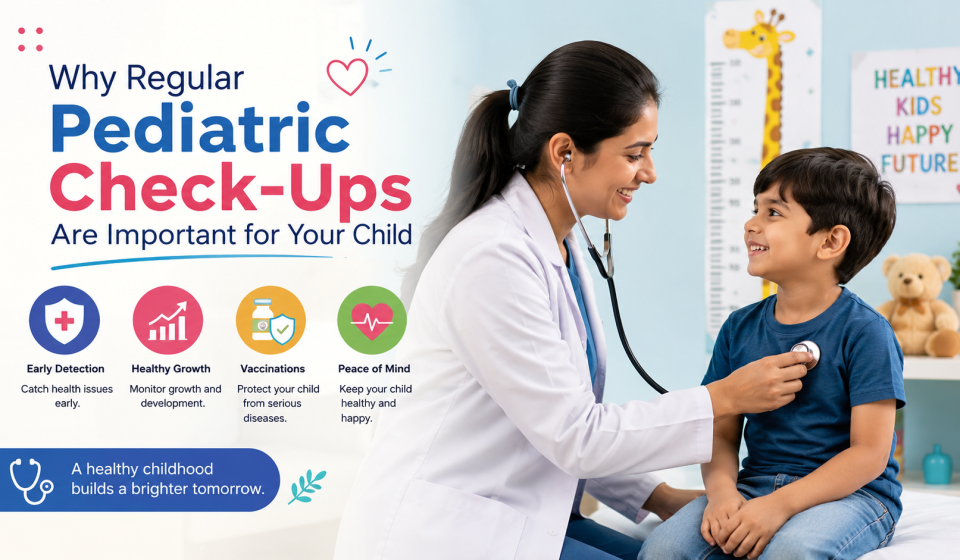
Regular pediatric check-ups are one of the most important investments parents can make in their child’s future. These routine visits help monitor growth, prevent diseases, ensure timely vaccinations, detect developmental issues, support mental health, and provide valuable guidance for families.
Rather than waiting until a child becomes ill, parents should prioritize preventive healthcare through scheduled pediatric appointments. Early detection and intervention not only improve health outcomes but also contribute to a child’s overall happiness, confidence, and success.
By maintaining regular pediatric check-ups, parents give their children the best possible foundation for a healthy and fulfilling life.
Frequently Asked Questions (FAQs)
1. How often should my child have a pediatric check-up?
Children should typically have annual check-ups after age three, while infants and toddlers require more frequent visits according to pediatric guidelines.
2. What happens during a routine pediatric check-up?
Doctors assess growth, development, vaccinations, nutrition, behavior, vision, hearing, and overall physical health.
3. Are pediatric check-ups necessary if my child is healthy?
Yes. Regular visits focus on prevention, early diagnosis, and monitoring healthy development.
4. Can pediatric check-ups identify learning or developmental problems?
Yes. Pediatricians screen for developmental delays, behavioral concerns, speech issues, and learning disorders.
5. Do regular pediatric visits help reduce future health risks?
Absolutely. Preventive care and early intervention reduce the risk of chronic diseases and improve long-term health outcomes.