
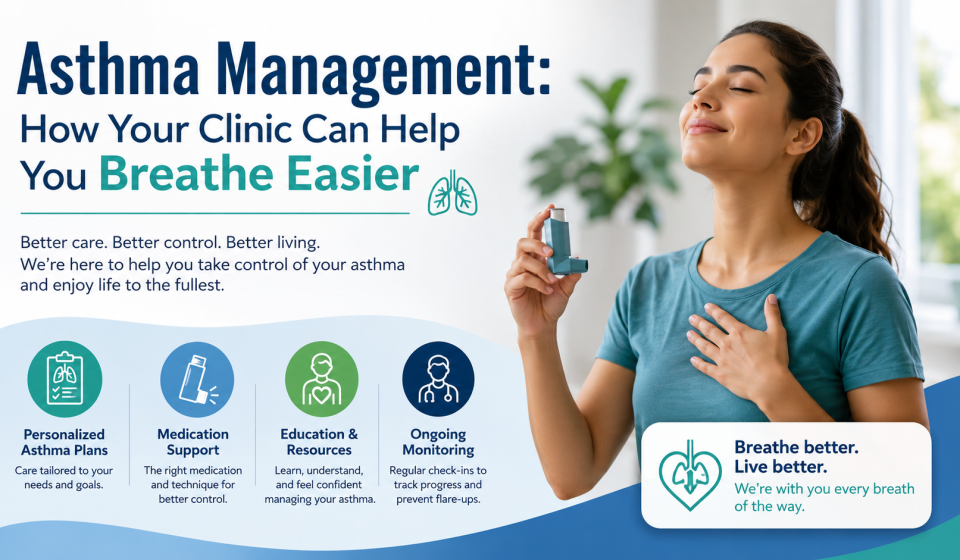

Learn how healthcare clinics help patients manage asthma through early diagnosis, personalized treatment plans, inhaler education, lifestyle guidance, and regular monitoring for better breathing and improved quality of life.
Asthma is one of the most common chronic respiratory conditions affecting millions of people worldwide. It causes inflammation and narrowing of the airways, making breathing difficult. While asthma cannot be completely cured, it can be effectively managed with proper medical care, lifestyle adjustments, and regular monitoring. Many people with asthma lead healthy and active lives when they receive the right support from healthcare professionals.
Healthcare clinics play a vital role in helping patients manage asthma symptoms, prevent severe attacks, and improve overall lung health. From diagnosing asthma early to creating personalized treatment plans, clinics provide comprehensive care that helps patients breathe easier and enjoy a better quality of life.
This article explores how your clinic can support asthma management, the services available, and practical steps patients can take to control their symptoms effectively.
Understanding Asthma
Asthma is a chronic disease that affects the airways in the lungs. During an asthma flare-up, the airways become inflamed, swollen, and narrowed. This makes it difficult for air to move in and out of the lungs.
Common asthma symptoms include:
- Shortness of breath
- Wheezing
- Persistent coughing
- Chest tightness
- Difficulty breathing during exercise
- Trouble sleeping due to breathing problems
Symptoms can vary from person to person. Some individuals experience occasional mild symptoms, while others may have severe attacks that require emergency medical attention.
Why Professional Asthma Care Matters
Many people underestimate asthma because symptoms may come and go. However, untreated or poorly managed asthma can lead to serious complications, including frequent hospital visits, reduced physical activity, and permanent lung damage.
Healthcare clinics help patients by:
- Identifying asthma triggers
- Monitoring lung function
- Adjusting medications when necessary
- Preventing severe asthma attacks
- Educating patients about self-management
Regular clinic visits allow healthcare providers to track progress and ensure treatments remain effective over time.
Early Diagnosis and Assessment
One of the most important ways clinics help asthma patients is through accurate diagnosis.
Asthma symptoms can sometimes resemble other respiratory conditions such as allergies, bronchitis, or chronic obstructive pulmonary disease (COPD). A proper medical evaluation helps determine the exact cause of symptoms.
Diagnostic Procedures May Include:
Medical History Review
Healthcare providers ask about:
- Family history of asthma
- Allergies
- Frequency of symptoms
- Environmental exposures
- Previous respiratory illnesses
Physical Examination
A thorough physical examination helps identify signs of respiratory distress and other underlying health concerns.
Lung Function Tests
Clinics often perform pulmonary function tests such as spirometry to measure how well the lungs are working. These tests help confirm an asthma diagnosis and assess severity.
Allergy Testing
Since allergies commonly trigger asthma symptoms, allergy testing may be recommended to identify specific allergens.
Creating a Personalized Asthma Treatment Plan
Every asthma patient has different symptoms, triggers, and treatment needs. Clinics develop individualized care plans tailored to each patient’s condition.
A personalized asthma management plan typically includes:
- Daily medications
- Rescue inhaler instructions
- Trigger avoidance strategies
- Emergency action plans
- Follow-up schedules
For example, a school student may require asthma control during sports activities, while an office worker may need help managing symptoms triggered by dust or air pollution.
Medication Management
Proper medication use is essential for controlling asthma.
Healthcare providers ensure patients understand:
- Which medications they need
- How often medications should be taken
- Potential side effects
- When adjustments are necessary
Common Asthma Medications
Controller Medications
These medications reduce airway inflammation and help prevent symptoms over time. They are usually taken daily.
Examples include:
- Inhaled corticosteroids
- Combination inhalers
- Leukotriene modifiers
Rescue Medications
These provide quick relief during sudden asthma symptoms or attacks.
Examples include:
- Short-acting bronchodilators
- Quick-relief inhalers
Regular clinic visits help determine whether medications are working effectively or need modification.
Inhaler Education and Technique Training
Many asthma patients do not use their inhalers correctly. Even the best medication may be less effective if inhalers are used improperly.
Clinics provide hands-on training to ensure patients understand:
- Proper inhaler positioning
- Breathing techniques
- Timing of medication delivery
- Device cleaning and maintenance
Research shows that proper inhaler technique can significantly improve asthma control and reduce emergency visits.
For example, a patient who frequently experiences symptoms despite taking medication may discover that incorrect inhaler use is limiting treatment effectiveness.
Identifying and Managing Asthma Triggers
Asthma symptoms are often triggered by environmental or lifestyle factors.
Healthcare providers help patients identify and reduce exposure to triggers such as:
Allergens
- Dust mites
- Pollen
- Pet dander
- Mold
Air Pollution
Poor air quality can worsen asthma symptoms, especially in urban areas.
Tobacco Smoke
Both active smoking and secondhand smoke increase asthma-related complications.
Respiratory Infections
Common colds and flu can trigger asthma flare-ups.
Physical Activity
Exercise-induced asthma may require special management strategies.
Clinics guide patients on minimizing exposure while maintaining a healthy and active lifestyle.
Monitoring Lung Health Over Time
Asthma symptoms can change over time. What works today may not be sufficient months or years later.
Routine clinic visits allow healthcare providers to:
- Measure lung function
- Review symptom patterns
- Evaluate medication effectiveness
- Detect worsening conditions early
Regular monitoring helps prevent severe complications and improves long-term outcomes.
Patients who attend scheduled follow-up appointments often experience fewer emergency visits and better symptom control.
Asthma Action Plans for Emergencies
An asthma action plan is a written guide that helps patients recognize worsening symptoms and respond appropriately.
A clinic-developed asthma action plan typically outlines:
Green Zone
- Symptoms are well controlled
- Continue daily medications
Yellow Zone
- Mild worsening symptoms
- Adjust treatment according to provider instructions
Red Zone
- Severe symptoms
- Seek immediate medical attention
Having a clear action plan helps patients feel confident and prepared when symptoms worsen unexpectedly.
Lifestyle Guidance for Better Asthma Control
Asthma management involves more than medication.
Healthcare clinics often provide lifestyle counseling to support overall respiratory health.
Healthy Diet
A balanced diet rich in fruits, vegetables, and whole grains may support immune function and reduce inflammation.
Regular Exercise
With proper management, most asthma patients can safely participate in physical activities.
Weight Management
Maintaining a healthy weight can reduce breathing difficulties and improve asthma control.
Stress Reduction
Stress and anxiety can sometimes trigger asthma symptoms. Relaxation techniques and mental health support may be beneficial.
Adequate Sleep
Good sleep habits contribute to better asthma management and overall well-being.
Asthma Care for Children
Children with asthma require specialized care because symptoms can affect learning, physical activity, and development.
Healthcare clinics help families by:
- Educating parents about symptom recognition
- Creating school asthma action plans
- Monitoring growth and medication effects
- Teaching children proper inhaler use
Early intervention can reduce school absences and improve a child’s quality of life.
Managing Severe Asthma
Some individuals experience severe asthma that remains difficult to control despite standard treatments.
Clinics may offer advanced management options, including:
- Specialist referrals
- Biologic therapies
- Advanced pulmonary testing
- Comprehensive allergy evaluations
These specialized approaches can significantly improve outcomes for patients with severe asthma.
The Role of Preventive Healthcare
Preventive care is a crucial part of asthma management.
Healthcare providers often recommend:
- Annual checkups
- Flu vaccinations
- Pneumonia vaccinations when appropriate
- Allergy management
- Smoking cessation programs
Preventive strategies reduce the likelihood of asthma exacerbations and help maintain long-term respiratory health.
Benefits of Regular Asthma Clinic Visits
Patients who maintain consistent follow-up care often experience:
- Better symptom control
- Fewer emergency room visits
- Improved lung function
- Enhanced quality of life
- Reduced healthcare costs
- Greater confidence in managing symptoms
A trusted healthcare clinic becomes a valuable partner in achieving long-term asthma control.
Sources
https://sl1nk.com/nv0bw60
https://sl1nk.com/juxeshq
Conclusion
Asthma may be a lifelong condition, but it does not have to limit your quality of life. With proper diagnosis, personalized treatment plans, medication management, inhaler education, and ongoing monitoring, healthcare clinics play a critical role in helping patients breathe easier and stay healthy. Regular clinic visits allow healthcare providers to identify problems early, adjust treatments when needed, and provide the support necessary for successful asthma management. By working closely with your healthcare team and following a comprehensive asthma action plan, you can reduce symptoms, prevent attacks, and enjoy a more active and fulfilling life.
FAQs
1. Can asthma be cured permanently?
No, asthma currently has no permanent cure. However, proper treatment and regular monitoring can effectively control symptoms and reduce asthma attacks.
2. How often should asthma patients visit a clinic?
Most patients should have regular follow-up appointments every few months, although the frequency depends on symptom severity and treatment needs.
3. What are the most common asthma triggers?
Common triggers include dust mites, pollen, pet dander, tobacco smoke, air pollution, respiratory infections, and physical activity.
4. Why is proper inhaler technique important?
Incorrect inhaler use can prevent medication from reaching the lungs effectively, reducing treatment success and increasing symptoms.
5. Can children with asthma participate in sports?
Yes. With proper asthma management and guidance from healthcare providers, most children with asthma can safely participate in sports and physical activities.