
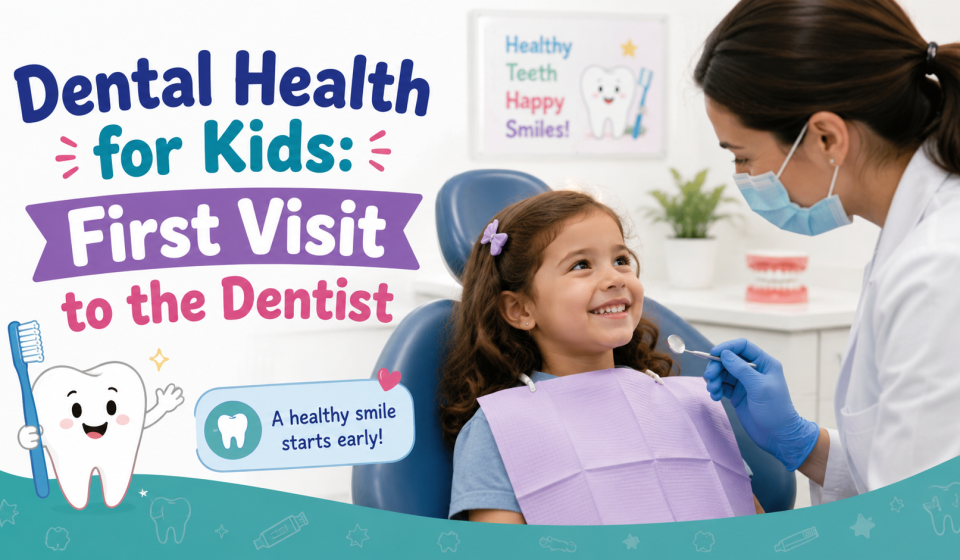

Learn why your child’s first dental visit is important, when to schedule it, what to expect during the appointment, and how parents can help children develop healthy dental habits for a lifetime.
A child’s smile is one of the most precious things for parents. Healthy teeth not only help children eat and speak properly but also contribute to their overall health and confidence. One of the most important steps in maintaining good oral health is scheduling a child’s first dental visit at the right time. Many parents believe that dental visits are only necessary when permanent teeth start appearing, but experts recommend much earlier checkups.
The first visit to the dentist plays a crucial role in preventing dental problems and helping children develop positive attitudes toward oral care. By introducing dental care early, parents can ensure that their children enjoy strong and healthy teeth throughout their lives.
Why Is the First Dental Visit Important?
The first dental visit is much more than a routine checkup. It helps identify potential dental issues before they become serious. Early visits allow dentists to monitor tooth development, detect cavities, and guide parents on proper oral hygiene practices.
Many childhood dental problems can be prevented when they are identified early. Tooth decay is one of the most common chronic conditions among children worldwide. Unfortunately, many parents are unaware that cavities can develop even in baby teeth.
A dentist can provide valuable advice on brushing techniques, nutrition, fluoride use, and habits such as thumb-sucking that may affect dental development. Early dental care can save parents from costly and painful treatments in the future.
When Should a Child Visit the Dentist for the First Time?
According to pediatric dental experts, children should visit a dentist by their first birthday or within six months after their first tooth appears.
This recommendation may seem early, but it allows the dentist to evaluate oral development and provide preventive care. Even if a child has only one or two teeth, a dental checkup can help establish a strong foundation for future oral health.
Parents should not wait until a problem arises. Scheduling regular checkups from an early age helps children become comfortable with dental visits and reduces anxiety later in life.
Preparing Your Child for the First Dental Visit
A positive introduction to dental care can make a significant difference in a child’s experience. Parents can take several simple steps to prepare their child for the appointment.
Talk Positively About the Dentist
Children often develop fears based on what they hear from adults. Avoid using words such as “pain,” “hurt,” or “needle.” Instead, explain that the dentist helps keep teeth strong and healthy.
Read Children’s Books About Dentists
Many children’s books feature friendly dental visits and can help kids understand what to expect.
Practice Opening the Mouth
Parents can play a simple game at home where the child opens their mouth while counting teeth. This helps children feel more comfortable during the examination.
Schedule Wisely
Choose a time when your child is usually well-rested and in a good mood. Morning appointments often work best for younger children.
What Happens During the First Dental Visit?
The first dental appointment is usually short, gentle, and educational. The goal is to help the child feel safe and comfortable.
During the visit, the dentist may:
- Examine the child’s teeth and gums
- Check jaw and bite development
- Look for signs of cavities
- Assess oral habits such as thumb-sucking
- Discuss feeding and nutrition habits
- Demonstrate proper brushing techniques
- Answer parents’ questions
For very young children, the dentist may ask the child to sit on a parent’s lap during the examination. This approach provides comfort and reassurance.
The dentist may also clean the teeth if necessary and discuss fluoride treatments if appropriate for the child’s age.
Common Dental Problems in Children
Understanding common dental issues can help parents take preventive action.
Tooth Decay
Even baby teeth can develop cavities. Frequent consumption of sugary drinks, candies, and improper brushing increase the risk of tooth decay.
Baby Bottle Tooth Decay
Allowing children to sleep with bottles containing milk, juice, or sweetened liquids can lead to severe tooth decay.
Thumb-Sucking
Thumb-sucking is common among infants and toddlers. However, prolonged thumb-sucking can affect tooth alignment and jaw development.
Gum Problems
Poor oral hygiene may cause gum inflammation and discomfort, even in young children.
Misaligned Teeth
Early detection of bite or alignment issues allows dentists to monitor development and recommend treatment if needed.
Tips for Maintaining Good Dental Health at Home
Parents play a major role in developing healthy dental habits.
Start Cleaning Early
Before teeth appear, gently wipe the baby’s gums with a soft, damp cloth.
Brush Twice Daily
Once teeth emerge, use a small toothbrush with a tiny amount of fluoride toothpaste.
Supervise Brushing
Children generally need assistance with brushing until they develop proper hand coordination.
Limit Sugary Foods and Drinks
Reducing sugar intake helps prevent cavities and supports overall health.
Encourage Drinking Water
Water helps rinse away food particles and supports healthy teeth.
Maintain Regular Dental Visits
Routine dental checkups allow dentists to monitor oral development and provide preventive care.
The Role of Nutrition in Dental Health
Healthy eating habits significantly affect oral health.
Foods that support strong teeth include:
- Milk and dairy products
- Yogurt
- Cheese
- Leafy green vegetables
- Fruits
- Eggs
- Fish
- Nuts (age-appropriate and supervised)
Calcium, phosphorus, and vitamin D are essential nutrients that contribute to healthy tooth development.
Parents should limit:
- Sugary snacks
- Soft drinks
- Sticky candies
- Sweetened juices
Healthy nutrition not only protects teeth but also supports a child’s overall growth and development.
Managing Dental Anxiety in Children
Many children feel nervous about visiting the dentist. Fortunately, there are several ways parents can reduce anxiety.
Stay Calm
Children often mirror their parents’ emotions. A relaxed parent helps create a relaxed child.
Avoid Negative Stories
Never share unpleasant dental experiences before the appointment.
Praise Cooperation
Celebrate the child’s bravery after the visit, regardless of how well the appointment went.
Choose a Child-Friendly Dentist
Pediatric dental clinics are designed to create a welcoming environment for children with colorful décor and friendly staff.
Benefits of Early Dental Care
Early dental visits provide several long-term benefits:
- Prevent cavities and gum disease
- Promote healthy oral habits
- Detect developmental issues early
- Reduce fear of dental appointments
- Lower future treatment costs
- Improve overall health and confidence
Children who begin dental care early are more likely to maintain healthy oral hygiene habits throughout adulthood.
How Parents Can Be Role Models
Children learn by observing adults. Parents who prioritize their own oral health encourage children to do the same.
Simple actions such as brushing together, flossing regularly, and attending dental checkups demonstrate the importance of oral care.
Creating a family dental routine can transform oral hygiene into a positive daily habit rather than a chore.
Sources
https://www.aapd.org
https://www.cdc.gov/oralhealth
Conclusion
A child’s first visit to the dentist is an important milestone that lays the foundation for lifelong oral health. Early dental checkups help prevent cavities, monitor tooth development, and educate parents about proper oral hygiene practices. By introducing dental care at an early age, parents can reduce dental anxiety and encourage healthy habits that last a lifetime.
The combination of regular dental visits, proper brushing, balanced nutrition, and positive reinforcement helps children maintain strong, healthy smiles. Investing in preventive dental care today can protect your child from future dental problems and contribute to their overall well-being.
Frequently Asked Questions (FAQs)
1. At what age should a child first visit the dentist?
A child should visit the dentist by their first birthday or within six months after the first tooth appears.
2. How often should children have dental checkups?
Most dentists recommend dental checkups every six months, although some children may require more frequent visits.
3. Are baby teeth really important if they eventually fall out?
Yes. Baby teeth help children chew, speak properly, and guide permanent teeth into the correct position.
4. What should I do if my child is afraid of the dentist?
Stay positive, avoid scary language, and choose a child-friendly dental clinic that specializes in pediatric care.
5. How can I prevent cavities in my child’s teeth?
Encourage brushing twice daily, limit sugary foods and drinks, provide a healthy diet, and schedule regular dental checkups.