
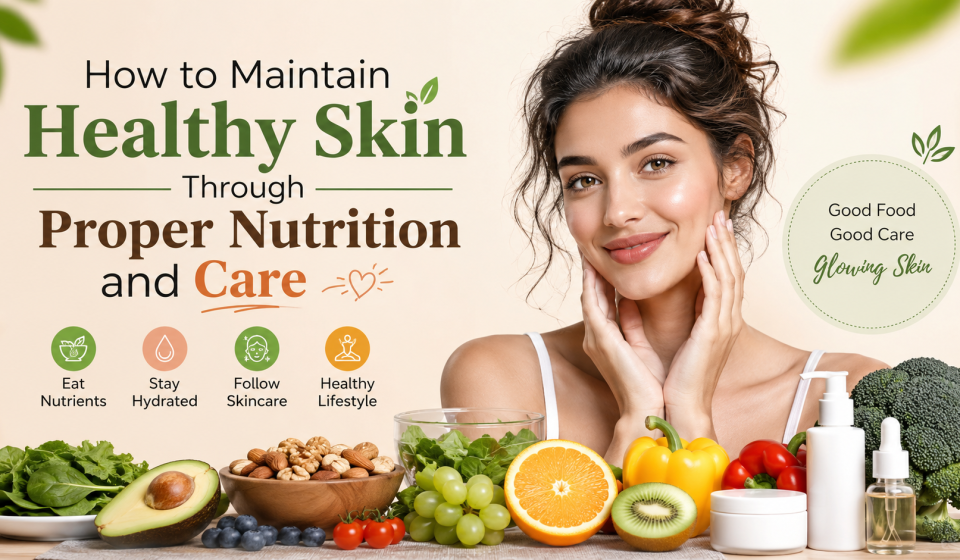

Discover how to maintain healthy and glowing skin through proper nutrition and daily skincare habits. Learn about the best foods, skincare routines, lifestyle tips, and expert advice for achieving healthy skin naturally.
Healthy skin is more than just a beauty goal—it reflects your overall health and well-being. While many people spend thousands on skincare products, the truth is that healthy skin starts from within. Proper nutrition, hydration, daily skincare habits, adequate sleep, and lifestyle choices all work together to maintain radiant and youthful skin.
Your skin is the body’s largest organ, serving as a protective barrier against environmental damage, infections, and harmful UV rays. Therefore, maintaining healthy skin requires a balanced approach that combines nutritious foods with proper skincare practices.
In today’s fast-paced lifestyle, factors such as pollution, stress, unhealthy eating habits, lack of sleep, and excessive sun exposure can negatively impact skin health. Fortunately, by adopting the right nutritional habits and skincare routines, you can significantly improve your skin’s appearance and maintain its natural glow for years.
This comprehensive guide explains how proper nutrition and skincare practices can help you achieve healthier, stronger, and more radiant skin naturally.
Why Nutrition Matters for Healthy Skin
Many dermatologists now agree that nutrition plays a major role in maintaining healthy skin. The nutrients we consume provide the building blocks necessary for skin repair, collagen production, hydration, and protection against environmental damage.
A poor diet may contribute to:
- Premature aging
- Dry and dull skin
- Increased acne breakouts
- Slow wound healing
- Inflammation
- Reduced collagen production
On the other hand, a balanced diet rich in vitamins, minerals, antioxidants, and healthy fats supports healthy skin function and improves overall skin appearance.
Essential Nutrients for Healthy Skin
1. Vitamin C for Collagen Production
Vitamin C is one of the most important nutrients for maintaining healthy skin. It helps produce collagen, the protein responsible for keeping skin firm, elastic, and youthful. Additionally, vitamin C acts as a powerful antioxidant that protects skin from free radical damage.
Best Sources:
- Oranges
- Lemons
- Strawberries
- Kiwi
- Bell peppers
- Broccoli
- Tomatoes
Benefits:
- Boosts collagen production
- Reduces signs of aging
- Promotes wound healing
- Improves skin brightness
2. Vitamin A for Skin Repair
Vitamin A supports skin cell production and repair. Deficiency can lead to dry, rough, and flaky skin.
Best Sources:
- Carrots
- Sweet potatoes
- Pumpkin
- Spinach
- Kale
- Eggs
Benefits:
- Repairs damaged skin
- Prevents dryness
- Supports healthy skin cell turnover
- Reduces inflammation
3. Vitamin E for Protection
Vitamin E protects skin cells from oxidative stress caused by pollution and UV exposure. It also helps maintain skin moisture.
Best Sources:
- Almonds
- Sunflower seeds
- Avocados
- Olive oil
- Peanuts
Benefits:
- Protects against environmental damage
- Reduces inflammation
- Maintains skin hydration
- Supports skin healing
4. Omega-3 Fatty Acids
Healthy fats help maintain the skin’s natural barrier and prevent dryness. Omega-3 fatty acids also reduce inflammation and improve skin elasticity.
Best Sources:
- Salmon
- Sardines
- Walnuts
- Flaxseeds
- Chia seeds
Benefits:
- Keeps skin moisturized
- Reduces acne-related inflammation
- Improves skin texture
- Supports anti-aging
5. Zinc for Skin Healing
Zinc is essential for wound healing and controlling inflammation, making it particularly helpful for acne-prone skin.
Best Sources:
- Pumpkin seeds
- Lentils
- Chickpeas
- Oysters
- Eggs
Benefits:
- Supports skin repair
- Helps control acne
- Reduces inflammation
- Improves immunity
The Importance of Hydration
Water plays a vital role in maintaining healthy skin. Proper hydration supports skin elasticity, nutrient delivery, and the removal of toxins. While drinking water alone will not solve all skin problems, dehydration can make skin appear dull and dry.
Tips for Better Hydration:
- Drink 2–3 liters of water daily.
- Increase intake during hot weather.
- Consume water-rich fruits and vegetables.
- Limit sugary beverages.
Hydrating Foods:
- Watermelon
- Cucumber
- Orange
- Coconut water
- Lettuce
- Strawberries
Best Foods for Glowing Skin
1. Fatty Fish
Fish like salmon contain omega-3 fatty acids and protein that support skin elasticity and reduce inflammation.
2. Nuts and Seeds
Rich in vitamin E and healthy fats, nuts help maintain skin moisture and reduce oxidative damage.
3. Green Leafy Vegetables
Spinach and kale provide antioxidants, vitamins A and C, and minerals that protect skin cells.
4. Berries
Blueberries and strawberries contain antioxidants that help slow skin aging.
5. Tomatoes
Tomatoes contain lycopene, which may help protect the skin from sun damage.
6. Avocados
Avocados provide healthy fats, vitamin E, and antioxidants that nourish the skin.
Foods That May Harm Your Skin
Certain dietary habits can negatively affect skin health.
Limit:
- Excess sugar
- Highly processed foods
- Deep-fried foods
- Excessive alcohol
- Sugary soft drinks
- Refined carbohydrates
These foods may increase inflammation and contribute to acne, premature aging, and poor skin texture.
Daily Skincare Routine for Healthy Skin
Nutrition alone is not enough. A proper skincare routine is equally important.
Morning Routine
- Wash your face with a gentle cleanser.
- Apply moisturizer.
- Use sunscreen with SPF 30 or higher.
- Stay hydrated throughout the day.
Night Routine
- Remove makeup completely.
- Cleanse your face.
- Apply treatment products if needed.
- Use a moisturizer before sleeping.
Dermatologists recommend using sunscreen daily because it helps prevent premature aging, wrinkles, pigmentation, and skin cancer.
Why Sunscreen Is Essential
Sun exposure is one of the leading causes of premature skin aging. Even on cloudy days, UV rays can damage the skin. Dermatologists recommend broad-spectrum sunscreen with SPF 30 or higher.
Benefits of Sunscreen:
- Prevents sunburn
- Reduces pigmentation
- Delays wrinkles
- Prevents premature aging
- Reduces skin cancer risk
Lifestyle Habits for Better Skin
1. Get Enough Sleep
The skin repairs itself during sleep. Aim for 7–9 hours daily.
2. Exercise Regularly
Exercise improves blood circulation and nutrient delivery to skin cells.
3. Manage Stress
Chronic stress can worsen acne, eczema, and inflammation. Meditation, yoga, and relaxation techniques can help.
4. Avoid Smoking
Smoking damages collagen and accelerates skin aging.
5. Avoid Overusing Skin Products
Using too many products can damage your skin barrier and cause irritation.
Skin Care Tips for Different Skin Types
Oily Skin
- Use oil-free cleansers.
- Choose non-comedogenic products.
- Avoid heavy creams.
Dry Skin
- Use gentle cleansers.
- Apply moisturizer regularly.
- Avoid hot water.
Sensitive Skin
- Use fragrance-free products.
- Perform patch tests.
- Choose mineral sunscreen.
Combination Skin
- Use balanced skincare products.
- Moisturize dry areas while controlling oil in oily zones.
Common Mistakes That Damage Skin
- Sleeping with makeup
- Skipping sunscreen
- Excessive exfoliation
- Touching your face frequently
- Using harsh chemicals
- Poor hydration
- Following social media skincare trends without professional advice
Sources
https://sl1nk.com/95ej76d
https://sl1nk.com/4mr4ycj
Conclusion
Maintaining healthy skin requires a combination of proper nutrition, good skincare habits, and a healthy lifestyle. No single cream or treatment can replace the benefits of balanced nutrition, adequate hydration, proper sleep, and sun protection. By consuming nutrient-rich foods, drinking enough water, following a simple skincare routine, and protecting your skin from environmental damage, you can achieve naturally healthy and glowing skin.
Remember that healthy skin is a long-term investment rather than a quick fix. Small daily habits, when practiced consistently, can significantly improve your skin’s appearance, strength, and overall health over time.
Frequently Asked Questions (FAQs)
1. Which foods are best for glowing skin?
Foods rich in antioxidants, vitamins, and healthy fats such as salmon, berries, avocados, nuts, leafy greens, and tomatoes are excellent for healthy skin.
2. How much water should I drink for healthy skin?
Most adults should aim for approximately 2–3 liters of water daily, depending on climate, activity level, and overall health.
3. Does diet affect acne?
Yes. High-sugar and highly processed foods may worsen acne in some individuals, while a balanced diet may support healthier skin.
4. Is sunscreen necessary every day?
Yes. Dermatologists recommend using broad-spectrum SPF 30 or higher sunscreen daily, regardless of weather conditions.
5. How long does it take to improve skin through nutrition?
Visible improvements may take several weeks to months, depending on dietary changes, skincare habits, and individual skin conditions.