
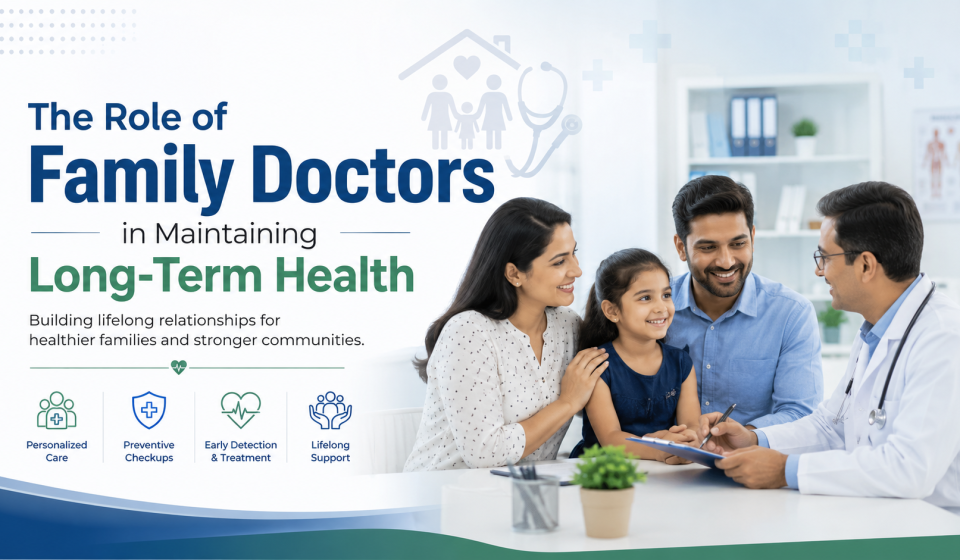

Discover the important role family doctors play in maintaining long-term health. Learn how regular check-ups, preventive care, chronic disease management, and personalized treatment improve overall well-being and quality of life.
In today’s fast-paced world, many people visit a doctor only when they become sick. However, maintaining good health is not just about treating illnesses—it’s about preventing them, managing risks, and building healthy habits over time. This is where family doctors play an essential role.
A family doctor is often the first healthcare professional a person consults for medical advice, preventive care, treatment, and long-term health management. Unlike specialists who focus on specific organs or diseases, family doctors provide comprehensive healthcare for people of all ages, from infants to senior citizens. They develop long-term relationships with patients, understand their medical history, and provide personalized healthcare guidance throughout their lives.
The importance of family doctors has increased significantly as chronic diseases, lifestyle disorders, and mental health issues continue to rise globally. Studies have shown that patients who maintain long-term relationships with their family physicians experience better health outcomes, fewer hospitalizations, and improved quality of life.
What Is a Family Doctor?
A family doctor, also known as a family physician or primary care physician, is a medical professional trained to diagnose, treat, and prevent a wide range of health conditions. They provide healthcare services for individuals and families regardless of age, gender, or medical condition.
Family doctors typically manage:
- General illnesses and infections
- Preventive healthcare
- Vaccinations
- Chronic diseases
- Mental health concerns
- Women’s and men’s health issues
- Child healthcare
- Elderly care
- Lifestyle counseling
- Health screenings
Their primary objective is to provide continuous and comprehensive care throughout a patient’s life.
Why Long-Term Relationships With Family Doctors Matter
One of the greatest advantages of having a family doctor is continuity of care. When patients visit the same doctor regularly over many years, the doctor develops a deep understanding of their:
- Medical history
- Family health history
- Lifestyle habits
- Mental health status
- Medication responses
- Personal health goals
This long-term relationship builds trust and allows doctors to identify health changes earlier than someone unfamiliar with the patient’s history could. Research consistently shows that continuity of care improves patient satisfaction, treatment adherence, and overall health outcomes.
For example, if a patient suddenly develops unusual fatigue or weight loss, a family doctor who has treated them for years may recognize these changes immediately and investigate potential underlying causes sooner.
The Role of Family Doctors in Preventive Healthcare
Prevention is one of the most important aspects of family medicine. Family doctors focus not only on treating diseases but also on preventing them before they become serious.
Preventive healthcare services include:
Regular Health Check-Ups
Routine check-ups help detect health problems early when treatment is often easier and more effective. Family doctors monitor:
- Blood pressure
- Blood sugar levels
- Cholesterol
- Body weight
- Heart health
- Kidney function
- Liver function
Vaccination Programs
Family physicians ensure patients receive appropriate vaccinations at every stage of life, including:
- Childhood immunizations
- Flu vaccines
- COVID-19 vaccines
- HPV vaccines
- Adult booster shots
Cancer Screening
Family doctors recommend timely screenings for:
- Breast cancer
- Cervical cancer
- Colon cancer
- Prostate cancer
- Skin cancer
Early detection significantly improves treatment success and survival rates.
Lifestyle Counseling
Family doctors educate patients about:
- Healthy eating habits
- Exercise routines
- Stress management
- Smoking cessation
- Alcohol consumption
- Sleep hygiene
Research suggests that strong primary care systems help reduce illness and mortality rates by emphasizing prevention and early intervention.
Managing Chronic Diseases Over Time
Chronic diseases are among the leading causes of death worldwide. Conditions such as diabetes, hypertension, asthma, heart disease, and thyroid disorders require continuous monitoring and management.
Family doctors play a vital role by:
- Diagnosing chronic diseases early
- Monitoring disease progression
- Adjusting medications
- Coordinating specialist care
- Educating patients about self-management
- Preventing complications
Consider a patient diagnosed with type 2 diabetes. A family doctor regularly monitors blood sugar levels, advises dietary modifications, recommends physical activity, and adjusts medications when necessary. This ongoing care helps prevent complications such as kidney disease, vision loss, and heart disease.
Studies have found that continuity of care significantly improves chronic disease management and reduces hospital admissions.
Family Doctors and Mental Health Support
Mental health is an essential part of overall health. Anxiety, depression, stress, and emotional challenges often first become apparent during visits to family doctors.
Family physicians help by:
- Identifying early signs of mental illness
- Providing counseling and emotional support
- Prescribing medications when appropriate
- Referring patients to mental health specialists
- Monitoring treatment progress
Many patients feel more comfortable discussing emotional concerns with a doctor they have known for years. The trust established through long-term relationships makes mental healthcare more accessible and effective.
Healthcare for Every Stage of Life
Family doctors provide healthcare throughout every stage of life.
Childhood
During childhood, family doctors monitor:
- Growth and development
- Vaccinations
- Nutrition
- Behavioral concerns
- Common childhood illnesses
Adolescence
Teenagers receive support for:
- Physical development
- Mental health
- Reproductive health
- Lifestyle habits
- Sports injuries
Adulthood
Adults benefit from:
- Preventive screenings
- Chronic disease management
- Family planning
- Occupational health advice
- Stress management
Older Adults
For senior citizens, family doctors help with:
- Multiple chronic conditions
- Medication management
- Mobility issues
- Cognitive health
- Quality-of-life concerns
This lifelong approach ensures continuity and personalized care.
Family Doctors Improve Healthcare Coordination
Modern healthcare often involves multiple specialists. Patients with complex medical conditions may see:
- Cardiologists
- Endocrinologists
- Orthopedic surgeons
- Neurologists
- Psychiatrists
- Gastroenterologists
Family doctors serve as healthcare coordinators by:
- Maintaining complete medical records
- Reviewing specialist recommendations
- Preventing medication interactions
- Avoiding duplicate testing
- Ensuring treatment plans work together
This coordination improves patient safety and reduces healthcare costs.
Early Detection Saves Lives
Many serious illnesses develop gradually and initially produce mild symptoms. Family doctors often recognize these early warning signs because they understand a patient’s normal health patterns.
Examples include:
- Early diabetes detection
- High blood pressure diagnosis
- Heart disease risk assessment
- Cancer screening referrals
- Mental health intervention
- Kidney disease monitoring
Early diagnosis often results in:
- Better treatment outcomes
- Lower medical expenses
- Fewer complications
- Improved quality of life
Research indicates that patients who maintain ongoing relationships with their primary care physicians experience fewer hospitalizations and better long-term health outcomes.
Building Trust Through Long-Term Care
Trust is a cornerstone of effective healthcare.
Patients who trust their family doctors are more likely to:
- Follow treatment plans
- Take medications regularly
- Attend follow-up appointments
- Share sensitive information
- Discuss mental health concerns
- Seek help earlier
Long-term doctor-patient relationships create a supportive healthcare environment where patients feel heard, respected, and understood.
Research has shown that continuity of care improves treatment adherence, patient satisfaction, and health outcomes.
Reducing Hospitalizations and Healthcare Costs
Preventive care and ongoing monitoring help reduce expensive hospital treatments.
Family doctors contribute to cost savings by:
- Preventing disease complications
- Reducing emergency visits
- Avoiding unnecessary tests
- Managing chronic illnesses effectively
- Encouraging healthier lifestyles
Several studies have demonstrated that patients receiving continuous primary care experience fewer emergency department visits and lower healthcare costs.
The Growing Importance of Family Medicine in India
India faces increasing challenges related to:
- Diabetes
- Hypertension
- Obesity
- Mental health disorders
- Aging populations
- Lifestyle diseases
Family medicine provides an effective solution by delivering accessible, affordable, and comprehensive healthcare.
Family doctors in India can:
- Reduce unnecessary specialist visits
- Improve preventive healthcare
- Manage chronic diseases efficiently
- Support rural healthcare delivery
- Enhance patient education
Experts increasingly recognize family medicine as a critical component of strengthening healthcare systems in India.
Sources
https://l1nq.com/z6095jl
https://sl1nk.com/woo7qb5
Conclusion
Family doctors play a vital role in maintaining long-term health by providing continuous, personalized, and preventive healthcare throughout every stage of life. Their ability to build lasting relationships with patients allows them to detect diseases early, manage chronic conditions effectively, coordinate specialist care, and promote healthier lifestyles.
In an era where healthcare systems are becoming increasingly complex, family doctors remain one of the most valuable resources for maintaining overall well-being. Establishing and maintaining a long-term relationship with a trusted family doctor can lead to better health outcomes, reduced healthcare costs, and an improved quality of life for individuals and families alike.
Frequently Asked Questions (FAQs)
1. What is the primary role of a family doctor?
A family doctor provides comprehensive healthcare services, including preventive care, diagnosis, treatment, chronic disease management, and long-term health monitoring for individuals of all ages.
2. Why should I visit the same family doctor regularly?
Regular visits to the same family doctor help build continuity of care, allowing the doctor to better understand your medical history and provide more personalized treatment.
3. Can family doctors treat chronic diseases?
Yes. Family doctors commonly manage chronic conditions such as diabetes, hypertension, asthma, thyroid disorders, and heart disease through regular monitoring and treatment adjustments.
4. Do family doctors provide mental health support?
Yes. Family doctors can diagnose common mental health conditions, provide counseling, prescribe medications when needed, and refer patients to specialists if necessary.
5. How do family doctors help prevent serious illnesses?
Family doctors promote preventive care through health screenings, vaccinations, lifestyle counseling, regular check-ups, and early disease detection.