
Learn about the most common vitamin deficiencies, their symptoms, causes, risk factors, diagnosis, treatment options, and prevention tips. This comprehensive guide explains how vitamin deficiencies affect overall health and how to maintain optimal nutrition.
Vitamins play a crucial role in maintaining our overall health and well-being. They support various bodily functions, including immunity, metabolism, bone health, brain function, and energy production. Despite living in an era where food is widely available, vitamin deficiencies remain a significant health concern worldwide. Poor dietary habits, medical conditions, lifestyle factors, and certain medications can all contribute to inadequate vitamin intake.
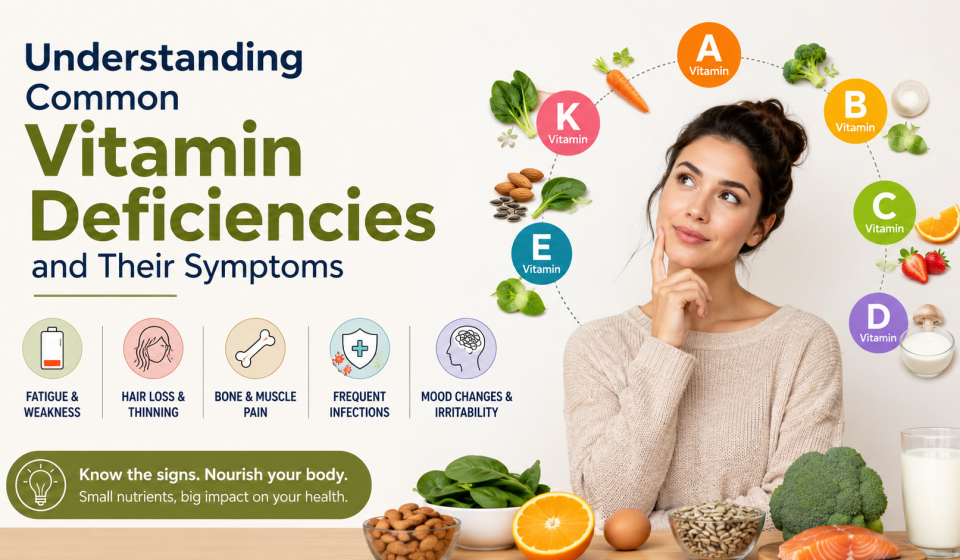
Many people experience symptoms of vitamin deficiencies without realizing the underlying cause. Fatigue, hair loss, poor immunity, mood changes, and muscle weakness can sometimes indicate that the body lacks essential nutrients. Understanding the signs and symptoms of common vitamin deficiencies can help individuals seek appropriate treatment and make healthier lifestyle choices.
This article explores the most common vitamin deficiencies, their symptoms, causes, diagnosis, treatment options, and prevention strategies.
What Are Vitamin Deficiencies?
Vitamin deficiency occurs when the body does not receive or absorb enough of a specific vitamin required for normal functioning. Since the human body cannot produce most vitamins on its own, they must be obtained through food, supplements, or both.
Vitamin deficiencies can develop gradually over time and may initially present with mild symptoms. If left untreated, they can lead to serious health complications affecting multiple organs and body systems.
Why Are Vitamin Deficiencies Becoming More Common?
Several factors contribute to increasing vitamin deficiencies worldwide, including:
- Poor dietary habits and consumption of processed foods
- Restrictive diets without proper nutritional planning
- Chronic digestive disorders
- Aging and reduced nutrient absorption
- Pregnancy and breastfeeding
- Certain medications
- Excessive alcohol consumption
- Limited exposure to sunlight
- Lifestyle stress and irregular eating patterns
For example, a busy office worker who regularly skips meals and spends most of the day indoors may develop deficiencies in vitamin D, vitamin B12, and iron-related nutrients over time.
Vitamin D Deficiency
Vitamin D is essential for maintaining healthy bones, muscles, and immune function. It also helps the body absorb calcium effectively.
Common Causes
- Lack of sunlight exposure
- Darker skin pigmentation
- Obesity
- Kidney or liver disease
- Poor dietary intake
- Aging
Symptoms of Vitamin D Deficiency
- Constant fatigue
- Bone pain
- Muscle weakness
- Frequent infections
- Back pain
- Mood changes and depression
- Hair loss
- Slow wound healing
Real-Life Example
Many individuals who work from home or spend most of their time indoors experience low vitamin D levels without realizing it. They often complain of persistent tiredness and body aches that improve after proper diagnosis and treatment.
Food Sources
- Fatty fish
- Egg yolks
- Fortified milk
- Mushrooms
- Fortified cereals
Vitamin B12 Deficiency
Vitamin B12 is necessary for nerve function, brain health, and red blood cell production.
Common Causes
- Vegetarian or vegan diets
- Pernicious anemia
- Stomach surgery
- Digestive disorders
- Long-term use of acid-reducing medications
Symptoms of Vitamin B12 Deficiency
- Extreme fatigue
- Weakness
- Memory problems
- Difficulty concentrating
- Tingling sensations in hands and feet
- Pale skin
- Dizziness
- Depression
- Shortness of breath
Who Is at Risk?
Older adults, vegetarians, vegans, and individuals with digestive disorders have a higher risk of developing vitamin B12 deficiency.
Food Sources
- Fish
- Meat
- Eggs
- Milk products
- Fortified cereals
Vitamin C Deficiency
Vitamin C is important for immunity, wound healing, collagen production, and antioxidant protection.
Common Causes
- Poor fruit and vegetable intake
- Smoking
- Alcohol abuse
- Eating disorders
Symptoms of Vitamin C Deficiency
- Frequent infections
- Bleeding gums
- Easy bruising
- Fatigue
- Joint pain
- Slow wound healing
- Dry skin
- Weak immunity
Severe vitamin C deficiency can result in a condition called scurvy.
Food Sources
- Oranges
- Lemons
- Strawberries
- Kiwi
- Bell peppers
- Tomatoes
- Broccoli
Vitamin A Deficiency
Vitamin A supports vision, immunity, skin health, and reproduction.
Common Causes
- Malnutrition
- Digestive disorders
- Liver disease
Symptoms of Vitamin A Deficiency
- Night blindness
- Dry eyes
- Poor immunity
- Dry skin
- Delayed growth in children
- Frequent infections
Food Sources
- Carrots
- Sweet potatoes
- Spinach
- Pumpkin
- Eggs
- Dairy products
Vitamin B9 (Folate) Deficiency
Folate plays an essential role in cell growth and DNA production.
Common Causes
- Poor diet
- Alcohol abuse
- Pregnancy
- Digestive diseases
Symptoms of Folate Deficiency
- Fatigue
- Weakness
- Irritability
- Mouth ulcers
- Pale skin
- Difficulty concentrating
- Shortness of breath
Pregnant women require adequate folate to prevent birth defects.
Food Sources
- Green leafy vegetables
- Beans
- Lentils
- Citrus fruits
- Avocados
Vitamin B6 Deficiency
Vitamin B6 helps with metabolism, nerve function, and immune support.
Symptoms of Vitamin B6 Deficiency
- Skin rashes
- Cracked lips
- Depression
- Confusion
- Weak immune system
- Tingling sensations
Food Sources
- Poultry
- Fish
- Bananas
- Potatoes
- Chickpeas
Vitamin E Deficiency
Vitamin E acts as an antioxidant and protects cells from damage.
Symptoms of Vitamin E Deficiency
- Muscle weakness
- Vision problems
- Poor coordination
- Nerve damage
- Immune dysfunction
Food Sources
- Almonds
- Sunflower seeds
- Vegetable oils
- Spinach
- Peanuts
Vitamin K Deficiency
Vitamin K is necessary for blood clotting and bone health.
Symptoms of Vitamin K Deficiency
- Easy bruising
- Excessive bleeding
- Nosebleeds
- Heavy menstrual bleeding
- Slow blood clotting
Food Sources
- Kale
- Spinach
- Broccoli
- Cabbage
- Soybeans
Signs You Should Never Ignore
Some symptoms may indicate an underlying vitamin deficiency and require medical evaluation:
- Persistent fatigue
- Hair loss
- Frequent infections
- Numbness or tingling
- Bone pain
- Mood changes
- Memory problems
- Poor wound healing
- Unexplained weakness
- Vision changes
Ignoring these symptoms may worsen the deficiency over time.
How Are Vitamin Deficiencies Diagnosed?
Doctors may diagnose vitamin deficiencies through:
- Medical history evaluation
- Physical examination
- Blood tests
- Nutritional assessment
- Lifestyle evaluation
Laboratory testing remains the most reliable method for confirming vitamin deficiencies.
Treatment of Vitamin Deficiencies
Treatment depends on the severity and cause of the deficiency.
Common treatment approaches include:
Dietary Changes
Increasing intake of vitamin-rich foods often helps correct mild deficiencies.
Supplements
Doctors may prescribe oral vitamin supplements for moderate deficiencies.
Vitamin Injections
Some deficiencies, especially vitamin B12 deficiency, may require injections.
Treating Underlying Conditions
Digestive disorders and chronic illnesses must also be managed to improve nutrient absorption.
Prevention Tips
Preventing vitamin deficiencies is often easier than treating them.
Eat a Balanced Diet
Include fruits, vegetables, proteins, dairy products, nuts, and whole grains.
Get Adequate Sun Exposure
Spend time outdoors safely to maintain healthy vitamin D levels.
Avoid Excessive Alcohol
Alcohol can interfere with nutrient absorption.
Schedule Regular Health Checkups
Routine blood tests can identify deficiencies early.
Use Supplements Responsibly
Take supplements only under medical supervision to avoid overdosing.
The Importance of Early Detection
Early diagnosis of vitamin deficiencies can prevent serious complications such as:
- Osteoporosis
- Anemia
- Nerve damage
- Vision problems
- Cognitive impairment
- Immune dysfunction
Many symptoms that people consider “normal aging” or “stress” may actually be caused by treatable vitamin deficiencies.
Sources
https://l1nq.com/jib0oun
https://l1nq.com/9r1s5am
Conclusion
Vitamin deficiencies are more common than many people realize and can affect individuals of all ages. Symptoms such as fatigue, hair loss, weakness, mood changes, poor immunity, and memory problems should never be ignored. Maintaining a balanced diet, adopting a healthy lifestyle, and undergoing regular health screenings can help prevent nutritional deficiencies and their complications.
If you experience persistent symptoms that affect your daily life, consult a healthcare professional for proper diagnosis and treatment. Early intervention can significantly improve your health, energy levels, and overall quality of life.
Frequently Asked Questions (FAQs)
1. What is the most common vitamin deficiency worldwide?
Vitamin D deficiency is considered one of the most common vitamin deficiencies globally due to limited sunlight exposure and lifestyle factors.
2. Can vitamin deficiencies cause fatigue?
Yes. Deficiencies of vitamin D, vitamin B12, folate, and other nutrients can lead to chronic fatigue and low energy levels.
3. How can I know if I have a vitamin deficiency?
A doctor can diagnose vitamin deficiencies through blood tests, medical history, and physical examination.
4. Can vitamin deficiencies affect mental health?
Yes. Deficiencies in vitamins B12, B6, D, and folate may contribute to depression, anxiety, mood swings, and memory problems.
5. Should I take vitamin supplements daily?
Not necessarily. Supplements should ideally be taken under medical supervision after evaluating your nutritional needs and blood test results.