
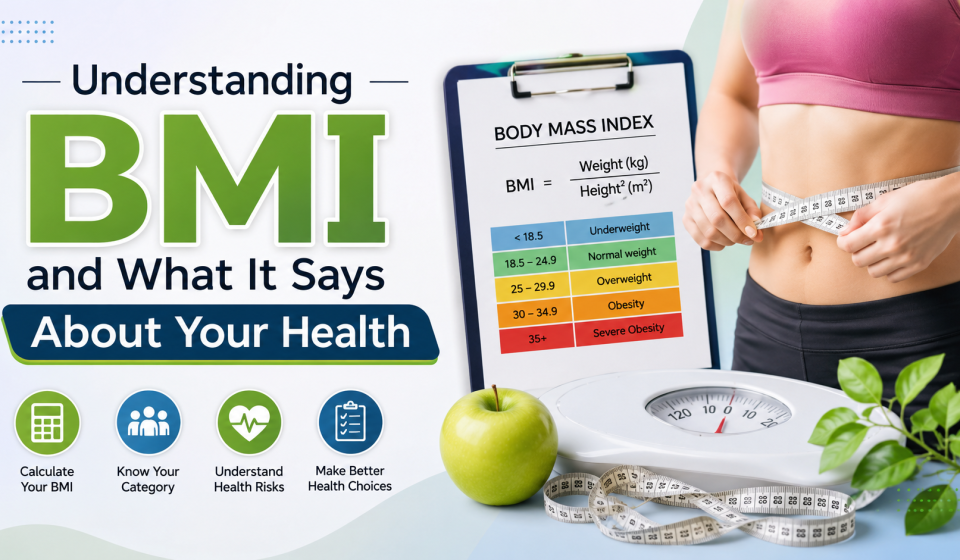

Learn what BMI (Body Mass Index) means, how it is calculated, its benefits, limitations, BMI categories, and how it affects your overall health. Discover practical tips for maintaining a healthy weight and improving long-term wellness.
Body Mass Index (BMI) is one of the most commonly used tools to assess whether a person’s weight falls within a healthy range. Whether you visit a healthcare clinic for a routine check-up or complete an online health assessment, chances are that your BMI will be calculated. While BMI does not tell the whole story about your health, it serves as an important screening tool that can identify potential health risks related to body weight.
Many people misunderstand BMI, believing it directly measures body fat or overall fitness. In reality, BMI is only one part of a complete health assessment. Factors such as muscle mass, body composition, lifestyle habits, genetics, and medical history also play significant roles in determining your overall health.
In this article, you’ll learn what BMI is, how it’s calculated, what the different BMI categories mean, its advantages and limitations, and practical ways to maintain a healthy BMI for better long-term health.
What Is BMI?
Body Mass Index (BMI) is a numerical value calculated using your height and weight. Healthcare professionals use it as a quick screening method to determine whether someone is underweight, at a healthy weight, overweight, or living with obesity.
BMI does not directly measure body fat, but research has shown that it generally correlates with body fat levels for most adults.
The formula for BMI is:
BMI = Weight (kg) ÷ Height² (m²)
For example:
- Weight: 70 kg
- Height: 1.75 m
BMI = 70 ÷ (1.75 × 1.75)
BMI = 22.9
This falls within the healthy weight category.
Many online BMI calculators make this process quick and convenient.
BMI Categories for Adults
According to internationally accepted guidelines, adult BMI categories include:
| BMI | Category |
|---|---|
| Below 18.5 | Underweight |
| 18.5 – 24.9 | Healthy Weight |
| 25.0 – 29.9 | Overweight |
| 30.0 – 34.9 | Obesity Class I |
| 35.0 – 39.9 | Obesity Class II |
| 40 or Above | Obesity Class III |
These categories help healthcare providers estimate health risks associated with body weight.
Why Is BMI Important?
BMI serves as an early indicator of potential health problems.
People with very high or very low BMI values often have increased risks of developing chronic diseases. Identifying these risks early allows doctors to recommend lifestyle modifications before serious complications develop.
Healthcare providers commonly use BMI during:
- Annual health check-ups
- Preventive screenings
- Weight management programs
- Diabetes risk assessments
- Heart disease evaluations
- Pre-surgical examinations
Although BMI alone cannot diagnose disease, it helps identify people who may benefit from additional testing.
Health Risks of Being Underweight
A BMI below 18.5 may indicate insufficient body weight.
Possible health risks include:
Nutritional Deficiencies
Underweight individuals may not receive enough vitamins, minerals, protein, and healthy fats.
This can result in:
- Fatigue
- Weakness
- Poor immunity
- Hair loss
- Brittle nails
Weakened Immune System
Poor nutrition can make it harder for the body to fight infections.
Osteoporosis
Low body weight is associated with reduced bone density, increasing fracture risk.
Fertility Issues
Very low body fat may interfere with hormone production, affecting menstrual cycles and fertility.
Health Risks of Being Overweight or Obese
A high BMI increases the likelihood of several chronic conditions.
These include:
Heart Disease
Extra body weight puts additional strain on the heart.
High Blood Pressure
Obesity is one of the leading contributors to hypertension.
Type 2 Diabetes
Excess body fat affects insulin sensitivity, increasing diabetes risk.
Sleep Apnea
Overweight individuals are more likely to develop interrupted breathing during sleep.
Joint Problems
Additional weight places pressure on knees, hips, and the spine.
Fatty Liver Disease
Excess fat can accumulate in the liver, affecting its normal function.
Certain Cancers
Higher BMI has been linked with increased risks of several cancers, including colorectal, breast (postmenopausal), endometrial, kidney, and pancreatic cancers.
Advantages of Using BMI
BMI remains popular because it offers several practical benefits.
Quick and Easy
Only height and weight are needed.
Cost-Effective
No expensive equipment is required.
Standardized
Healthcare professionals worldwide use the same classification system.
Useful for Population Studies
Governments and health organizations use BMI to monitor obesity trends.
Helpful Screening Tool
BMI helps identify individuals who may require additional medical evaluation.
Limitations of BMI
Despite its usefulness, BMI has several limitations.
It Doesn’t Measure Body Fat Directly
Two people with identical BMI values may have very different body fat percentages.
Athletes May Have High BMI
People with significant muscle mass may appear overweight despite having low body fat.
Doesn’t Show Fat Distribution
Abdominal fat carries greater health risks than fat stored elsewhere, but BMI cannot distinguish between them.
Age Differences
Older adults naturally lose muscle mass, making BMI less accurate.
Ethnic Variations
Different populations may experience health risks at different BMI levels.
BMI vs Body Fat Percentage
Body fat percentage provides a more detailed understanding of body composition.
Unlike BMI, it measures:
- Fat mass
- Lean muscle
- Bone
- Water
Healthcare providers may recommend body fat testing if BMI results seem inconsistent with physical appearance or fitness level.
Waist Circumference Matters Too
Many healthcare professionals measure waist circumference alongside BMI.
A larger waist often indicates excess visceral fat surrounding internal organs.
This type of fat increases the risk of:
- Heart disease
- Stroke
- Diabetes
- Metabolic syndrome
Someone with a normal BMI but excessive abdominal fat may still face elevated health risks.
BMI in Children and Teenagers
BMI works differently for children.
Healthcare providers use BMI-for-age percentiles because children continue growing and developing.
Growth charts consider:
- Age
- Gender
- Height
- Weight
Parents should avoid interpreting children’s BMI without professional guidance.
How Often Should You Check Your BMI?
Most healthy adults should check BMI:
- Once every 6–12 months
- During annual health examinations
- After significant weight changes
- During weight-loss programs
More frequent monitoring may be recommended for individuals with obesity, diabetes, heart disease, or other chronic conditions.
How to Maintain a Healthy BMI
Improving BMI involves adopting sustainable lifestyle habits rather than following extreme diets.
Eat a Balanced Diet
Focus on:
- Fruits
- Vegetables
- Whole grains
- Lean proteins
- Healthy fats
- Plenty of water
Limit:
- Sugary drinks
- Processed foods
- Deep-fried foods
- Excessive salt
Exercise Regularly
Aim for:
- At least 150 minutes of moderate exercise weekly
- Strength training twice each week
- Daily walking whenever possible
Physical activity improves both weight management and overall health.
Prioritize Good Sleep
Adults should aim for 7–9 hours of quality sleep each night.
Poor sleep affects hormones that regulate hunger and appetite, making weight management more difficult.
Manage Stress
Chronic stress may lead to emotional eating and unhealthy habits.
Healthy stress-management techniques include:
- Meditation
- Yoga
- Deep breathing exercises
- Spending time outdoors
- Talking with supportive friends or professionals
Avoid Crash Diets
Rapid weight-loss programs often result in muscle loss and weight regain.
Instead, focus on gradual, sustainable lifestyle changes.
Schedule Regular Health Check-Ups
Routine medical visits help monitor:
- Blood pressure
- Blood sugar
- Cholesterol
- Weight
- BMI
- Overall health
Early intervention often prevents future complications.
When Should You See a Doctor About Your BMI?
You should consult a healthcare provider if:
- Your BMI falls below 18.5.
- Your BMI is above 25 and continues to increase.
- You experience sudden unexplained weight changes.
- You have a family history of diabetes or heart disease.
- You feel persistent fatigue, breathlessness, or joint pain.
- You are unsure whether your BMI accurately reflects your health.
Your doctor may recommend additional assessments such as blood tests, waist circumference measurement, body composition analysis, or nutritional counseling.
Beyond BMI: Looking at the Bigger Picture
While BMI is a valuable starting point, true health cannot be measured by a single number. A person with a “normal” BMI may still have unhealthy habits such as smoking, poor nutrition, or physical inactivity. Likewise, someone with a higher BMI may have excellent cardiovascular fitness and healthy metabolic markers.
A complete health evaluation should consider:
- Blood pressure
- Cholesterol levels
- Blood sugar
- Waist circumference
- Physical activity level
- Diet quality
- Mental well-being
- Sleep habits
- Family medical history
By combining BMI with these factors, healthcare providers gain a much clearer understanding of your overall health status and can recommend personalized strategies for disease prevention and wellness.
Sources
https://sl1nk.com/qjsgk5g
https://l1nq.com/otmuoj7
Conclusion
Body Mass Index (BMI) is a simple yet valuable screening tool that helps identify whether your weight falls within a healthy range. Although it cannot directly measure body fat or determine your overall fitness, it provides important insights into potential health risks associated with being underweight, overweight, or obese.
The most effective way to use BMI is alongside other health measurements, including waist circumference, blood pressure, blood sugar, cholesterol levels, and lifestyle habits. Rather than focusing solely on achieving a specific BMI number, aim to build healthy daily habits through balanced nutrition, regular physical activity, adequate sleep, stress management, and routine medical check-ups.
Remember, lasting health is not about perfection—it is about making consistent choices that support your body and improve your quality of life over time.
Frequently Asked Questions (FAQs)
1. What is a healthy BMI for adults?
A healthy BMI for most adults ranges from 18.5 to 24.9. However, overall health should also be evaluated using other factors such as waist circumference, physical activity, and medical history.
2. Can BMI accurately measure body fat?
No. BMI estimates weight relative to height but does not directly measure body fat. Athletes and individuals with high muscle mass may have a higher BMI despite having low body fat.
3. How often should I calculate my BMI?
For most adults, checking BMI during an annual health check-up or every 6–12 months is sufficient. More frequent monitoring may be recommended if you are managing weight-related health conditions.
4. Is BMI suitable for everyone?
BMI is useful for most adults but may not accurately reflect health in children, older adults, pregnant women, or highly muscular individuals. Healthcare professionals may recommend additional assessments for these groups.
5. What is the best way to improve my BMI?
The healthiest approach includes eating a balanced diet, exercising regularly, getting enough sleep, managing stress, staying hydrated, and consulting a healthcare professional for personalized guidance if needed.