
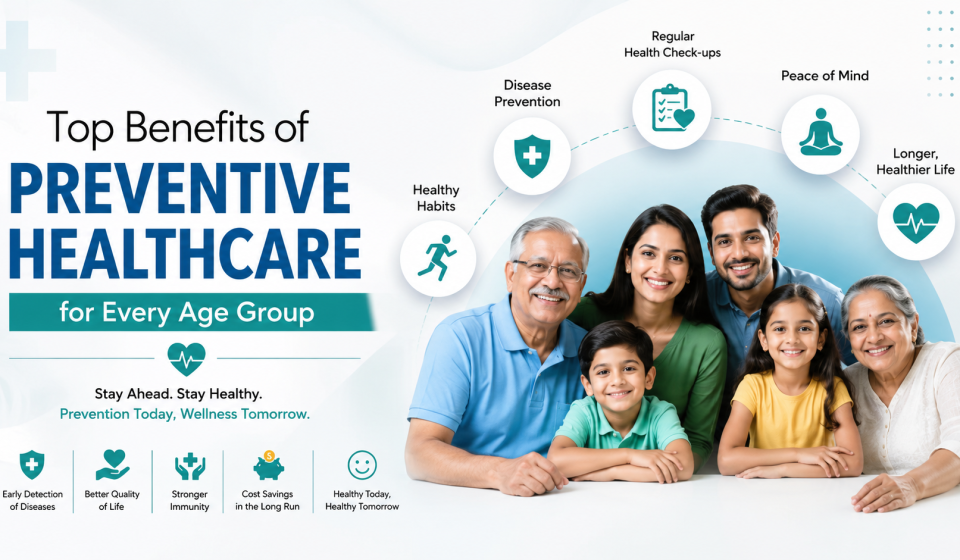

Discover the top benefits of preventive healthcare for every age group. Learn how regular check-ups, screenings, vaccinations, and healthy lifestyle habits can improve quality of life, reduce medical costs, and prevent serious diseases.
In today’s fast-paced world, many people visit a doctor only when they feel sick or experience severe symptoms. However, modern healthcare experts strongly emphasize the importance of preventive healthcare—a proactive approach that focuses on preventing diseases before they become serious. Preventive healthcare helps individuals maintain better health, detect potential illnesses early, reduce healthcare expenses, and improve overall quality of life.
Whether you are a child, teenager, adult, or senior citizen, preventive healthcare plays a crucial role in ensuring long-term well-being. By adopting healthy habits, undergoing regular medical check-ups, receiving vaccinations, and participating in health screenings, people can significantly reduce their risk of developing chronic diseases and enjoy healthier lives.
This article explores the top benefits of preventive healthcare for every age group and explains why investing in prevention is one of the smartest decisions anyone can make.
What Is Preventive Healthcare?
Preventive healthcare refers to medical services, lifestyle choices, and healthcare practices designed to prevent illnesses rather than treat them after they occur. The primary goal is to identify health risks early and take proactive measures to avoid serious complications.
Preventive healthcare includes:
- Regular health check-ups
- Vaccinations
- Health screenings
- Healthy eating habits
- Physical exercise
- Mental health support
- Lifestyle counseling
- Disease risk assessments
- Early diagnosis and treatment
- Health education programs
Healthcare professionals worldwide encourage preventive care because it reduces the burden of chronic diseases and improves overall public health outcomes.
Why Preventive Healthcare Matters More Than Ever
Modern lifestyles have introduced several health challenges, including:
- Increased stress levels
- Poor eating habits
- Physical inactivity
- Obesity
- Diabetes
- Heart disease
- High blood pressure
- Mental health disorders
Many of these conditions develop gradually and may not show symptoms during their early stages. Preventive healthcare helps identify these problems before they become severe, allowing individuals to receive timely treatment and make necessary lifestyle changes.
According to healthcare studies, regular preventive care can reduce hospitalization rates, lower healthcare costs, and significantly increase life expectancy.
Benefits of Preventive Healthcare for Children
Children require continuous monitoring because their bodies and immune systems are still developing. Preventive healthcare during childhood establishes the foundation for lifelong wellness.
1. Supports Healthy Growth and Development
Regular pediatric check-ups allow doctors to monitor:
- Height and weight growth
- Brain development
- Physical milestones
- Nutritional status
- Behavioral development
Early identification of developmental delays helps parents seek timely interventions.
2. Prevents Infectious Diseases Through Vaccination
Vaccinations protect children against dangerous illnesses such as:
- Measles
- Polio
- Hepatitis
- Chickenpox
- Diphtheria
- Whooping cough
Immunization programs have saved millions of lives worldwide and remain one of the most effective preventive healthcare measures.
3. Detects Health Problems Early
Routine examinations can identify:
- Vision problems
- Hearing issues
- Dental concerns
- Nutritional deficiencies
- Congenital conditions
Early diagnosis often leads to more effective treatment and better outcomes.
Benefits of Preventive Healthcare for Teenagers
Adolescence is a critical stage where lifelong habits begin to develop.
4. Encourages Healthy Lifestyle Choices
Preventive healthcare educates teenagers about:
- Balanced nutrition
- Physical fitness
- Sleep hygiene
- Mental wellness
- Substance abuse prevention
Developing healthy habits during adolescence reduces future health risks.
5. Supports Mental Health
Teenagers often experience emotional and psychological challenges due to academic pressure, social expectations, and hormonal changes.
Preventive mental healthcare helps detect:
- Anxiety
- Depression
- Stress disorders
- Behavioral problems
- Sleep disturbances
Early counseling and support can significantly improve mental health outcomes.
6. Prevents Obesity and Lifestyle Diseases
Childhood and teenage obesity continue to increase worldwide. Preventive healthcare programs encourage:
- Regular exercise
- Healthy eating habits
- Weight monitoring
- Screen time management
These measures help reduce the risk of diabetes and cardiovascular diseases later in life.
Benefits of Preventive Healthcare for Adults
Adults often become busy with careers and family responsibilities, causing them to neglect their own health. Preventive care becomes especially important during this phase.
7. Early Detection of Chronic Diseases
Regular health screenings can identify conditions such as:
- Diabetes
- High blood pressure
- High cholesterol
- Thyroid disorders
- Kidney disease
- Liver disease
Detecting these diseases early allows doctors to begin treatment before complications develop.
Common Adult Health Screenings Include:
- Blood sugar tests
- Blood pressure monitoring
- Cholesterol testing
- Liver function tests
- Kidney function tests
- Thyroid profile tests
8. Reduces Healthcare Costs
Preventing diseases costs significantly less than treating advanced illnesses.
For example:
- Regular blood pressure monitoring is inexpensive.
- Treating a major heart attack can require hospitalization, surgery, and lifelong medication.
Preventive healthcare reduces:
- Emergency room visits
- Hospital admissions
- Surgical procedures
- Long-term treatment costs
This financial benefit is especially important for families.
9. Helps Maintain a Healthy Weight
Obesity contributes to numerous diseases, including:
- Diabetes
- Heart disease
- Stroke
- Arthritis
- Sleep apnea
Preventive healthcare encourages:
- Dietary counseling
- Exercise programs
- Weight monitoring
- Lifestyle modifications
Maintaining a healthy weight improves both physical and mental health.
10. Protects Heart Health
Cardiovascular disease remains one of the leading causes of death worldwide.
Preventive measures include:
- Blood pressure checks
- Cholesterol screening
- Smoking cessation programs
- Exercise recommendations
- Healthy dietary habits
Early intervention significantly lowers the risk of heart attacks and strokes.
Benefits of Preventive Healthcare for Women
Women experience unique health challenges that require specialized preventive care.
11. Improves Reproductive Health
Preventive gynecological care helps monitor:
- Menstrual health
- Fertility concerns
- Hormonal imbalances
- Pregnancy planning
- Menopause management
Regular consultations improve reproductive outcomes.
12. Supports Cancer Prevention
Women should undergo regular screenings for:
- Breast cancer
- Cervical cancer
- Ovarian health issues
Important preventive tests include:
- Pap smear tests
- HPV testing
- Mammography
- Breast examinations
Early cancer detection greatly increases survival rates.
Benefits of Preventive Healthcare for Men
Many men delay medical visits until symptoms become severe.
13. Encourages Early Disease Detection
Regular check-ups help identify:
- High blood pressure
- Diabetes
- Heart disease
- Prostate conditions
- Liver problems
Early treatment improves outcomes and reduces complications.
14. Improves Mental and Emotional Health
Preventive healthcare also addresses:
- Stress management
- Anxiety
- Depression
- Workplace burnout
- Sleep disorders
Mental wellness is equally important as physical health.
Benefits of Preventive Healthcare for Older Adults
As people age, preventive care becomes increasingly essential.
15. Maintains Independence and Quality of Life
Regular medical evaluations help seniors:
- Stay physically active
- Manage chronic conditions
- Prevent disabilities
- Maintain mobility
This improves overall independence.
16. Prevents Falls and Injuries
Healthcare providers assess:
- Bone health
- Vision
- Balance problems
- Muscle strength
Preventive interventions help reduce fall-related injuries.
17. Supports Healthy Aging
Healthy aging programs focus on:
- Nutrition
- Physical activity
- Cognitive health
- Vaccinations
- Social well-being
These interventions promote longer and healthier lives.
Mental Health Is Also Preventive Healthcare
Preventive healthcare extends beyond physical illnesses.
Mental health prevention includes:
- Stress management
- Counseling
- Therapy
- Mindfulness practices
- Sleep improvement
- Emotional support systems
Protecting mental health helps reduce the risk of chronic diseases and improves overall well-being.
Preventive Healthcare Saves Lives
Research consistently shows that preventive healthcare:
- Detects diseases earlier
- Reduces complications
- Improves treatment outcomes
- Increases life expectancy
- Enhances quality of life
For example:
- Early detection of cancer dramatically improves survival rates.
- Managing blood pressure early prevents strokes.
- Vaccinations eliminate many life-threatening infections.
Simple Preventive Healthcare Habits Everyone Should Follow
No matter your age, these habits provide enormous health benefits:
✓ Get annual health check-ups
✓ Stay physically active
✓ Eat a balanced diet
✓ Maintain a healthy body weight
✓ Get recommended vaccinations
✓ Avoid tobacco and excessive alcohol
✓ Manage stress effectively
✓ Get adequate sleep
✓ Drink sufficient water
✓ Participate in recommended health screenings
Small daily habits often produce the greatest long-term benefits.
The Future of Preventive Healthcare
Modern healthcare is increasingly shifting toward prevention through:
- Digital health monitoring
- Wearable fitness devices
- Artificial intelligence screening tools
- Personalized medicine
- Telemedicine consultations
- Genetic risk assessments
These innovations will make preventive healthcare more accessible and effective in the coming years.
Sources
Conclusion
Preventive healthcare is one of the most powerful tools available for improving health outcomes at every stage of life. Rather than waiting for illnesses to develop, preventive care focuses on early detection, risk reduction, healthy lifestyle choices, and proactive medical management.
From childhood vaccinations to senior health screenings, preventive healthcare offers countless benefits, including reduced healthcare costs, longer life expectancy, improved quality of life, and better overall well-being. Investing in preventive healthcare today can help individuals and families avoid serious health problems tomorrow.
Regardless of age, prioritizing preventive healthcare is a smart, practical, and life-saving decision that contributes to a healthier and happier future.
Frequently Asked Questions (FAQs)
1. What is the main purpose of preventive healthcare?
The main purpose of preventive healthcare is to prevent diseases, detect health problems early, and promote long-term wellness through regular screenings, vaccinations, and healthy lifestyle practices.
2. How often should adults undergo preventive health check-ups?
Most adults should have a comprehensive health check-up at least once a year, although frequency may vary depending on age, medical history, and risk factors.
3. Can preventive healthcare reduce medical expenses?
Yes. Preventive healthcare helps detect diseases early, reducing the need for expensive treatments, surgeries, and hospitalizations.
4. Why are vaccinations considered preventive healthcare?
Vaccinations help protect individuals from infectious diseases before exposure occurs, preventing serious illness and reducing disease spread.
5. Does preventive healthcare include mental health services?
Yes. Preventive healthcare includes mental health screenings, stress management, counseling, therapy, and other services that support emotional well-being.