
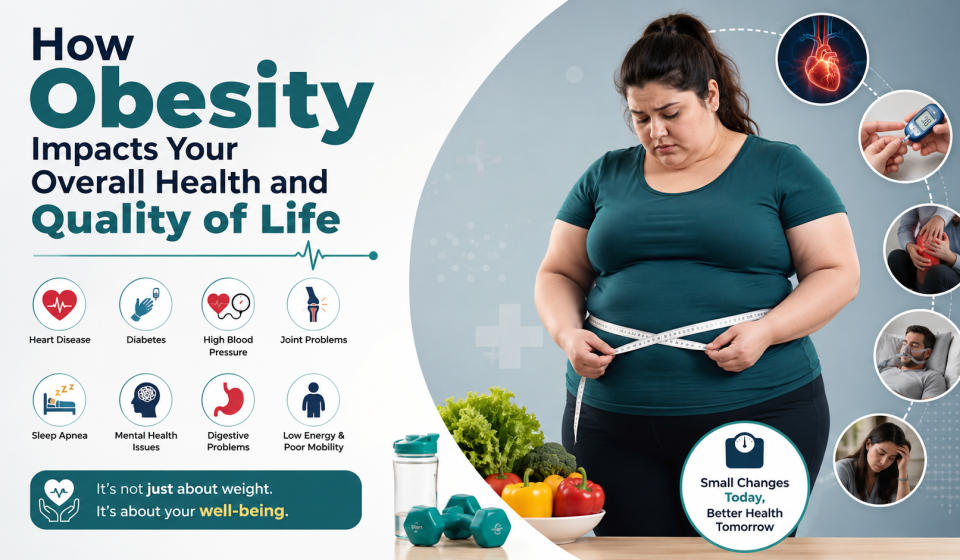

Discover how obesity affects your physical health, mental well-being, and overall quality of life. Learn about the causes, health risks, prevention strategies, and practical steps to maintain a healthier lifestyle.
Obesity has become one of the most significant health challenges worldwide, affecting millions of people across all age groups. In India, changing lifestyles, unhealthy eating habits, increased stress levels, and reduced physical activity have contributed to a rapid rise in obesity cases. While many people consider obesity merely a matter of body weight or appearance, the reality is much more serious. Obesity is a complex medical condition that can impact nearly every organ system in the body and significantly reduce a person’s quality of life.
According to health experts, obesity occurs when excessive body fat accumulates to a level that negatively affects health. It is commonly measured using the Body Mass Index (BMI), although other factors such as waist circumference and body fat percentage also play important roles. Obesity not only increases the risk of developing chronic diseases but also affects emotional well-being, social relationships, productivity, and life expectancy.
This article explores how obesity impacts overall health and quality of life, the risks associated with it, and practical ways to manage and prevent obesity effectively.
Understanding Obesity
Obesity develops when the body stores more calories than it burns over a prolonged period. However, obesity is not simply caused by overeating. Multiple factors contribute to weight gain, including:
- Unhealthy eating habits
- Lack of physical activity
- Genetics
- Hormonal imbalances
- Stress and emotional eating
- Poor sleep quality
- Certain medications
- Medical conditions such as PCOS and thyroid disorders
Healthcare professionals generally classify obesity using BMI:
- BMI 18.5–24.9: Healthy weight
- BMI 25–29.9: Overweight
- BMI 30 and above: Obesity
Although BMI is a useful screening tool, doctors often consider other health indicators before making a diagnosis.
How Obesity Affects Physical Health
1. Increased Risk of Heart Disease
One of the most serious effects of obesity is its impact on cardiovascular health. Excess body fat increases blood pressure, cholesterol levels, and inflammation, which significantly raises the risk of heart disease.
People living with obesity are more likely to develop:
- Coronary artery disease
- Heart attacks
- Heart failure
- Stroke
- High blood pressure
For example, a person with obesity who experiences shortness of breath while climbing stairs may actually be showing early signs of cardiovascular strain.
2. Type 2 Diabetes
Obesity is one of the leading causes of Type 2 diabetes. Excess fat, particularly around the abdomen, affects how the body responds to insulin, resulting in insulin resistance.
Common symptoms include:
- Increased thirst
- Frequent urination
- Fatigue
- Blurred vision
- Slow wound healing
If left untreated, diabetes can lead to severe complications such as kidney disease, nerve damage, and vision problems.
3. Joint and Bone Problems
Excess body weight places additional stress on joints, especially the knees, hips, and lower back. This can result in:
- Osteoarthritis
- Chronic back pain
- Joint inflammation
- Reduced mobility
- Increased risk of fractures
Many individuals with obesity find it difficult to perform daily activities such as walking, climbing stairs, or standing for extended periods.
4. Breathing and Sleep Disorders
Obesity significantly affects respiratory health. Fat accumulation around the neck and chest can make breathing difficult.
Common conditions include:
- Obstructive sleep apnea
- Snoring
- Asthma complications
- Reduced lung function
Sleep apnea causes repeated interruptions in breathing during sleep, leading to daytime fatigue, poor concentration, and increased cardiovascular risks.
5. Digestive and Liver Problems
Obesity can negatively impact the digestive system and liver function. Common complications include:
- Acid reflux disease (GERD)
- Gallstones
- Fatty liver disease
- Non-alcoholic steatohepatitis (NASH)
Fatty liver disease is increasingly common among adults and even children with obesity and can progress to liver failure if not managed appropriately.
The Impact of Obesity on Mental Health
Physical health is only one part of the picture. Obesity can also significantly affect emotional and psychological well-being.
Depression and Anxiety
Research has shown a strong relationship between obesity and mental health disorders. Individuals living with obesity often experience:
- Low self-esteem
- Depression
- Anxiety
- Social isolation
- Emotional distress
The stigma surrounding obesity can worsen mental health problems, creating a cycle where emotional eating contributes to further weight gain.
Body Image Issues
Many people with obesity struggle with body image concerns, which can affect:
- Confidence
- Personal relationships
- Workplace interactions
- Social activities
Negative body image can discourage individuals from participating in exercise programs or seeking medical support.
Increased Stress Levels
Chronic stress contributes to obesity by increasing cortisol levels, which can promote fat accumulation, especially around the abdomen. Stress may also lead to unhealthy coping behaviors such as overeating and reduced physical activity.
Obesity and Women’s Health
Obesity can have unique effects on women’s health, including:
Polycystic Ovary Syndrome (PCOS)
Women with obesity are more likely to develop PCOS, which can cause:
- Irregular periods
- Hormonal imbalances
- Infertility
- Weight gain
- Acne and excess hair growth
Pregnancy Complications
Obesity during pregnancy increases the risk of:
- Gestational diabetes
- High blood pressure
- Cesarean delivery
- Miscarriage
- Pregnancy complications
Maintaining a healthy weight before pregnancy can improve maternal and fetal outcomes.
Obesity and Men’s Health
Obesity also affects men’s health in several ways.
Reduced Testosterone Levels
Excess body fat can decrease testosterone production, resulting in:
- Fatigue
- Reduced muscle mass
- Low libido
- Mood changes
Fertility Problems
Studies have shown that obesity may reduce sperm quality and fertility in men, making conception more difficult.
How Obesity Affects Daily Life
Obesity impacts more than just physical health. It can interfere with routine activities and overall quality of life.
Reduced Physical Mobility
People with obesity often experience:
- Difficulty walking
- Reduced stamina
- Limited flexibility
- Fatigue during daily tasks
Even simple activities like shopping, traveling, or household work may become challenging.
Workplace Challenges
Obesity may contribute to:
- Reduced productivity
- Increased sick leave
- Physical discomfort at work
- Higher healthcare expenses
Social and Emotional Effects
Many individuals face social stigma due to obesity, which can result in:
- Isolation
- Reduced social participation
- Relationship challenges
- Emotional distress
Social support and understanding are essential for improving overall well-being.
Obesity and Life Expectancy
Studies have consistently shown that severe obesity can shorten life expectancy due to increased risks of chronic diseases.
Conditions associated with obesity include:
- Heart disease
- Stroke
- Diabetes
- Certain cancers
- Kidney disease
- Respiratory disorders
Early intervention and lifestyle changes can significantly improve long-term health outcomes and increase lifespan.
Can Obesity Be Prevented?
The good news is that obesity is often preventable and manageable through healthy lifestyle choices.
Follow a Balanced Diet
Focus on consuming:
- Fruits and vegetables
- Whole grains
- Lean proteins
- Healthy fats
- Adequate water intake
Avoid excessive consumption of:
- Sugary beverages
- Processed foods
- Fast food
- Excessive snacks
Stay Physically Active
Adults should aim for at least:
- 150 minutes of moderate exercise per week
- Strength training exercises twice weekly
- Daily physical movement whenever possible
Activities such as walking, cycling, swimming, and yoga can be highly beneficial.
Improve Sleep Quality
Adults should target 7–9 hours of quality sleep every night. Poor sleep patterns contribute significantly to weight gain and metabolic disorders.
Manage Stress
Effective stress management techniques include:
- Meditation
- Yoga
- Deep breathing exercises
- Counseling
- Spending time with family and friends
Seek Professional Help
If weight management becomes difficult, healthcare professionals can provide:
- Nutritional counseling
- Exercise guidance
- Medical treatment
- Behavioral therapy
- Obesity management programs
Treatment Options for Obesity
Treatment plans vary depending on individual needs and health conditions.
Common approaches include:
Lifestyle Modification
- Dietary changes
- Exercise programs
- Behavioral counseling
Medications
Doctors may prescribe weight-loss medications when lifestyle changes alone are insufficient.
Bariatric Surgery
In severe obesity cases, surgical procedures such as gastric bypass or sleeve gastrectomy may be recommended.
These treatments can significantly improve health outcomes when combined with long-term lifestyle changes.
Sources
https://l1nq.com/urxitg2
https://sl1nk.com/64ydx2j
Conclusion
Obesity is far more than a cosmetic concern; it is a serious health condition that affects physical health, mental well-being, relationships, productivity, and overall quality of life. From heart disease and diabetes to anxiety and reduced mobility, obesity impacts nearly every aspect of daily living. Fortunately, obesity is manageable through healthy eating habits, regular exercise, proper sleep, stress management, and professional medical support.
Recognizing obesity as a medical condition rather than a personal failure is an important step toward improving health outcomes. Small, consistent lifestyle changes can lead to significant improvements in physical and emotional well-being, helping individuals live longer, healthier, and happier lives.
Frequently Asked Questions (FAQs)
1. What is considered obesity?
Obesity is generally defined as having a Body Mass Index (BMI) of 30 or higher, although doctors also consider other health measurements.
2. Can obesity affect mental health?
Yes. Obesity can contribute to depression, anxiety, low self-esteem, body image issues, and social isolation.
3. Is obesity reversible?
In many cases, obesity can be effectively managed and reduced through lifestyle changes, medical treatment, and professional support.
4. What diseases are commonly linked to obesity?
Common obesity-related conditions include diabetes, heart disease, high blood pressure, sleep apnea, fatty liver disease, and certain cancers.
5. How much exercise is recommended for weight management?
Health experts recommend at least 150 minutes of moderate physical activity per week along with strength training exercises.