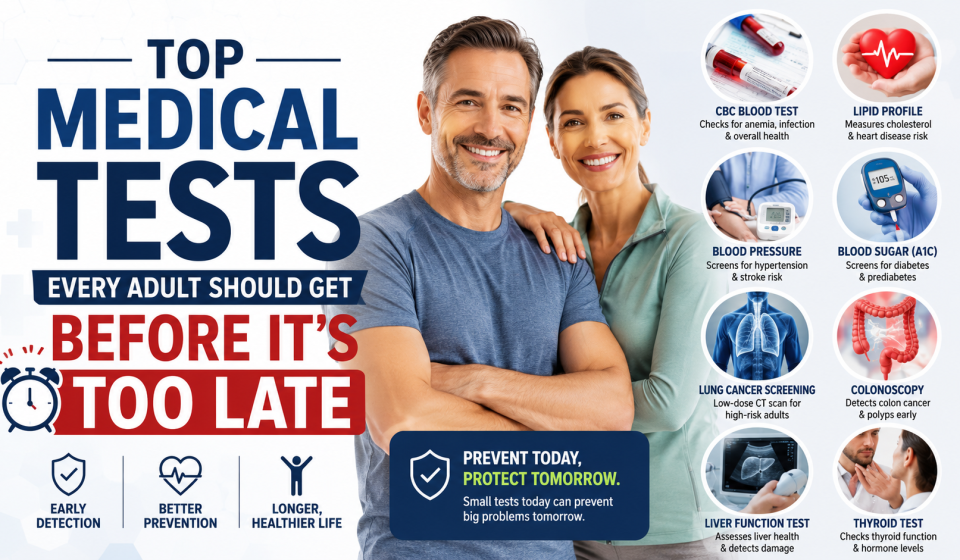

Discover the top medical tests every adult should get for early disease detection and better health. Learn which screenings can help prevent serious illnesses before it’s too late.
Many serious health conditions develop silently without causing noticeable symptoms in their early stages. Diseases like diabetes, high blood pressure, high cholesterol, kidney disease, and even certain types of cancer can progress for years before they become severe. By the time symptoms appear, treatment may become more complicated, expensive, and less effective.
This is why preventive healthcare has become one of the most important aspects of modern medicine. Regular medical screenings help detect diseases early, often before they cause permanent damage. Early diagnosis allows doctors to recommend lifestyle changes, medications, or treatments that can significantly improve outcomes and even save lives.
Regardless of your age or current health, routine medical tests are an investment in your future well-being. Whether you’re in your 20s building healthy habits or over 50 managing age-related risks, staying informed about your health can prevent many serious complications.
In this guide, we’ll explore the top medical tests every adult should consider, why they’re important, who should get them, and how often they should be performed.
Why Regular Medical Screenings Matter
Many chronic illnesses are known as “silent killers” because they show little or no symptoms until significant damage has already occurred. Regular health screenings help identify these conditions at an early stage, making treatment easier and more successful.
Benefits of routine medical testing include:
- Detecting diseases before symptoms develop
- Preventing serious health complications
- Lowering long-term healthcare costs
- Improving quality of life
- Increasing life expectancy
- Helping doctors create personalized treatment plans
- Encouraging healthier lifestyle choices
Preventive healthcare isn’t just about finding diseases—it’s about maintaining overall wellness and reducing future health risks.
1. Blood Pressure Test
High blood pressure, also called hypertension, affects millions of adults worldwide. Unfortunately, many people don’t realize they have it because it rarely causes noticeable symptoms.
Unchecked high blood pressure can damage your heart, brain, kidneys, and blood vessels over time. It significantly increases the risk of heart attack, stroke, kidney failure, and vision loss.
Who Should Get It?
Every adult aged 18 and older should have their blood pressure checked regularly.
Recommended Frequency
- Every 2 years if your blood pressure is normal
- Every year if you’re over 40
- More often if you have diabetes, obesity, kidney disease, or a family history of hypertension
What the Test Measures
The test records:
- Systolic Blood Pressure (pressure during heartbeats)
- Diastolic Blood Pressure (pressure between heartbeats)
A normal reading is generally below 120/80 mmHg.
Tips for Healthy Blood Pressure
- Reduce salt intake
- Exercise regularly
- Maintain a healthy weight
- Avoid smoking
- Limit alcohol
- Manage stress effectively
2. Blood Sugar (Glucose) Test
Diabetes is one of the fastest-growing health problems globally. Millions of adults have diabetes or prediabetes without knowing it.
High blood sugar gradually damages nerves, blood vessels, kidneys, eyes, and the heart. Early diagnosis allows people to control blood sugar before complications develop.
Common Types of Blood Sugar Tests
- Fasting Blood Sugar (FBS)
- HbA1c Test
- Random Blood Sugar
- Oral Glucose Tolerance Test (OGTT)
Who Should Get Tested?
Adults should consider diabetes screening if they:
- Are over 35 years old
- Are overweight or obese
- Have a family history of diabetes
- Have high blood pressure
- Have high cholesterol
- Have a sedentary lifestyle
- Have a history of gestational diabetes
Recommended Frequency
- Every 3 years for healthy adults
- Every year for high-risk individuals
Symptoms That Should Never Be Ignored
- Frequent urination
- Excessive thirst
- Blurred vision
- Fatigue
- Slow wound healing
- Unexplained weight loss
Early management through diet, exercise, and medication can dramatically reduce diabetes-related complications.
3. Cholesterol (Lipid Profile) Test
High cholesterol often develops without symptoms but can gradually block arteries, increasing the risk of heart disease and stroke.
A lipid profile measures several types of fats in your blood.
The Test Includes
- Total Cholesterol
- LDL (Bad Cholesterol)
- HDL (Good Cholesterol)
- Triglycerides
Why It’s Important
High LDL cholesterol contributes to plaque buildup inside arteries, reducing blood flow and increasing cardiovascular risk.
Recommended Screening
- Every adult should have a baseline lipid profile by age 20.
- Repeat every 4–6 years if results are normal.
- More frequent testing may be needed for people with diabetes, heart disease, obesity, or a family history of high cholesterol.
Ways to Improve Cholesterol Levels
- Eat more fruits and vegetables
- Choose whole grains
- Reduce saturated and trans fats
- Exercise at least 150 minutes per week
- Quit smoking
- Maintain a healthy weight
4. Complete Blood Count (CBC)
A Complete Blood Count (CBC) is one of the most commonly recommended laboratory tests because it provides valuable information about your overall health.
It evaluates the different types of cells circulating in your blood.
What a CBC Measures
- Red Blood Cells (RBC)
- White Blood Cells (WBC)
- Hemoglobin
- Hematocrit
- Platelets
What Can It Detect?
A CBC can help identify:
- Anemia
- Infections
- Blood disorders
- Immune system problems
- Vitamin deficiencies
- Certain cancers such as leukemia
When Should You Get It?
Doctors often recommend a CBC during annual health checkups or when symptoms like fatigue, fever, weakness, or frequent infections occur.
5. Kidney Function Test
Your kidneys filter waste products, regulate blood pressure, maintain fluid balance, and support healthy bone function. Kidney disease often progresses silently until significant damage has occurred.
Routine kidney function tests help detect problems early.
Common Kidney Tests
- Serum Creatinine
- Blood Urea Nitrogen (BUN)
- Estimated Glomerular Filtration Rate (eGFR)
- Urine Albumin Test
People at Higher Risk
You may need regular kidney screening if you have:
- Diabetes
- High blood pressure
- Heart disease
- Obesity
- A family history of kidney disease
- Age over 60
Signs of Kidney Problems
- Swollen feet or ankles
- Fatigue
- Foamy urine
- Frequent urination at night
- Blood in urine
- Loss of appetite
Early-stage kidney disease can often be managed successfully through medication, blood pressure control, and lifestyle changes.
6. Liver Function Test (LFT)
Your liver is one of the hardest-working organs in your body. It filters toxins from your blood, produces proteins, stores nutrients, aids digestion, and helps regulate metabolism. Despite its vital role, liver disease often develops quietly without obvious symptoms.
A Liver Function Test (LFT) is a blood test that evaluates how well your liver is functioning and helps detect inflammation, infection, or liver damage at an early stage.
What Does an LFT Measure?
A standard Liver Function Test includes:
- Alanine Aminotransferase (ALT)
- Aspartate Aminotransferase (AST)
- Alkaline Phosphatase (ALP)
- Bilirubin
- Albumin
- Total Protein
Who Should Get Tested?
Liver function testing is especially important if you:
- Consume alcohol regularly
- Are overweight or obese
- Have diabetes
- Take long-term medications
- Have hepatitis or a family history of liver disease
- Experience persistent fatigue or abdominal pain
Benefits of Early Detection
Early diagnosis can help prevent serious liver conditions such as:
- Fatty liver disease
- Hepatitis
- Cirrhosis
- Liver failure
- Liver cancer
Maintaining a healthy diet, exercising regularly, avoiding excessive alcohol, and controlling diabetes can significantly improve liver health.
7. Thyroid Function Test
The thyroid gland controls many essential body functions, including metabolism, heart rate, body temperature, and energy production. Even a slight imbalance in thyroid hormones can affect your entire body.
A thyroid function test measures hormone levels to determine whether your thyroid is working properly.
Common Thyroid Tests
- Thyroid-Stimulating Hormone (TSH)
- Free T3
- Free T4
Symptoms of Thyroid Disorders
Hypothyroidism (Underactive Thyroid)
- Constant tiredness
- Weight gain
- Dry skin
- Depression
- Hair loss
- Cold intolerance
- Constipation
Hyperthyroidism (Overactive Thyroid)
- Weight loss
- Anxiety
- Rapid heartbeat
- Tremors
- Sweating
- Difficulty sleeping
Who Should Be Screened?
Doctors often recommend thyroid testing for:
- Adults over 35–40
- Women, especially after pregnancy or menopause
- Individuals with autoimmune diseases
- People with unexplained weight changes or fatigue
- Those with a family history of thyroid disorders
8. Cancer Screenings
Cancer is most treatable when detected early. Regular screenings can identify cancer before symptoms appear, significantly increasing survival rates.
Breast Cancer Screening
Women should discuss mammogram screening with their healthcare provider, especially after age 40 or earlier if they have a strong family history.
Cervical Cancer Screening
Women should undergo regular Pap smears and HPV testing according to medical guidelines to detect abnormal cervical cells before they become cancerous.
Colorectal Cancer Screening
Adults generally begin colorectal cancer screening around age 45 using stool-based tests or colonoscopy, depending on their risk factors.
Prostate Cancer Screening
Men over 50—or earlier if they have a higher risk—should talk with their doctor about PSA testing and prostate examinations.
Skin Cancer Screening
Anyone with unusual moles, excessive sun exposure, or a family history of skin cancer should have regular skin examinations.
Lung Cancer Screening
Heavy current or former smokers may benefit from annual low-dose CT scans based on their age and smoking history.
Remember: Your age, lifestyle, and family history all influence which cancer screenings are appropriate for you. Always consult your healthcare provider for personalized recommendations.
9. Eye Examination
Many eye diseases develop gradually and without pain. Routine eye exams can detect vision problems and serious conditions before permanent vision loss occurs.
Conditions Eye Exams Can Detect
- Glaucoma
- Cataracts
- Diabetic retinopathy
- Macular degeneration
- Dry eye syndrome
- Refractive errors
Eye examinations can also reveal signs of systemic diseases such as diabetes and high blood pressure.
Recommended Frequency
- Every 2 years for healthy adults
- Annually for people over 60
- More often if you have diabetes or existing eye conditions
10. Dental Examination
Oral health is closely connected to overall health. Gum disease has been linked to heart disease, diabetes, respiratory infections, and pregnancy complications.
Regular dental visits help prevent small problems from becoming major ones.
Dentists Can Detect
- Tooth decay
- Gum disease
- Oral infections
- Oral cancer
- Teeth grinding
- Jaw disorders
Recommended Frequency
Visit your dentist every six months for professional cleaning and examination unless advised otherwise.
Good oral hygiene includes:
- Brushing twice daily
- Flossing every day
- Limiting sugary foods and drinks
- Avoiding tobacco products
11. Bone Density Test (DEXA Scan)
Bones naturally become weaker with age. Osteoporosis often develops silently until a fracture occurs.
A Bone Density Test measures bone strength and helps assess fracture risk.
Who Should Consider This Test?
- Women aged 65 and older
- Men aged 70 and older
- Postmenopausal women with risk factors
- Adults with long-term steroid use
- People with previous fractures or osteoporosis risk factors
Prevention Tips
- Eat calcium-rich foods
- Get enough Vitamin D
- Perform weight-bearing exercises
- Avoid smoking
- Limit alcohol consumption
12. Electrocardiogram (ECG) and Heart Health Assessment
Heart disease remains one of the leading causes of death worldwide. An Electrocardiogram (ECG) records the electrical activity of the heart and helps identify rhythm abnormalities and signs of heart disease.
An ECG Can Detect
- Irregular heart rhythms (arrhythmias)
- Previous heart attacks
- Heart enlargement
- Electrical conduction problems
Your doctor may also recommend additional tests, such as an echocardiogram or stress test, if needed.
Risk Factors That Warrant Screening
- High blood pressure
- Diabetes
- High cholesterol
- Smoking
- Obesity
- Family history of heart disease
- Chest pain or shortness of breath
13. Body Mass Index (BMI) and Waist Circumference
Maintaining a healthy weight is important for reducing the risk of chronic diseases.
BMI estimates body weight relative to height, while waist circumference provides additional information about abdominal fat, which is linked to higher health risks.
Why It Matters
Excess body fat increases the likelihood of:
- Type 2 diabetes
- Heart disease
- Stroke
- High blood pressure
- Sleep apnea
- Certain cancers
Although BMI is a useful screening tool, it does not distinguish between muscle and fat. Therefore, it should be interpreted alongside other health assessments.
14. Vitamin D and Vitamin B12 Tests
Deficiencies in Vitamin D and Vitamin B12 are common, especially among older adults, vegetarians, and people with certain medical conditions.
Vitamin D Deficiency May Cause
- Bone pain
- Muscle weakness
- Frequent infections
- Fatigue
- Increased fracture risk
Vitamin B12 Deficiency May Cause
- Anemia
- Numbness or tingling
- Memory problems
- Difficulty concentrating
- Weakness
Your doctor may recommend supplements or dietary changes if deficiencies are detected.
15. Mental Health Screening
Mental health is just as important as physical health. Conditions such as depression, anxiety, and chronic stress can affect relationships, work performance, sleep, and overall well-being.
Routine mental health screenings can help identify concerns early and connect individuals with appropriate support.
Signs You Shouldn’t Ignore
- Persistent sadness
- Loss of interest in daily activities
- Excessive worry or anxiety
- Trouble sleeping
- Difficulty concentrating
- Feelings of hopelessness
- Thoughts of self-harm (seek immediate professional help if present)
Seeking help early can improve recovery and quality of life.
16. Vaccination Review
Preventive healthcare also includes staying up to date with recommended vaccinations throughout adulthood.
Depending on your age, health conditions, occupation, and travel plans, your healthcare provider may recommend vaccines such as:
- Influenza (Flu)
- COVID-19
- Tetanus, Diphtheria, and Pertussis (Td/Tdap)
- Shingles (for older adults)
- Pneumococcal vaccine
- Hepatitis A and B (if indicated)
- HPV vaccine (for eligible individuals)
Keeping vaccinations current helps protect both you and those around you from preventable diseases.
Age-Wise Medical Screening Recommendations
Adults (20–39 Years)
- Blood pressure check
- Blood sugar screening (based on risk)
- Cholesterol test
- BMI assessment
- Routine dental and eye exams
- Mental health evaluation
- Vaccination review
Adults (40–59 Years)
- Continue all routine screenings
- More frequent blood pressure and cholesterol monitoring
- Diabetes screening
- Thyroid evaluation (if indicated)
- Mammogram and cervical cancer screening (for women)
- Colorectal cancer screening (typically begins around age 45)
- PSA discussion (for eligible men)
Adults (60 Years and Older)
- Bone density testing
- Annual eye examinations
- Hearing assessments
- Kidney and liver function tests
- Heart health evaluations
- Fall risk assessment
- Cognitive health screening
- Vaccination updates
Sources
https://www.cdc.gov
https://www.who.int
Conclusion
Your health is one of your greatest assets, and taking a proactive approach through regular medical screenings can make a significant difference in your quality of life. Many serious conditions—including diabetes, high blood pressure, heart disease, kidney disease, thyroid disorders, and certain cancers—often develop without noticeable symptoms. Waiting until you feel unwell may mean the disease has already progressed.
Frequently Asked Questions (FAQs)
1. Which medical test should every adult get every year?
Every adult should consider having an annual health checkup that includes blood pressure measurement, blood sugar testing, cholesterol screening (as recommended), body weight and BMI assessment, and a routine physical examination. Depending on your age and medical history, your doctor may also recommend additional tests such as kidney function, liver function, thyroid function, or cancer screenings.
2. At what age should adults start getting regular health screenings?
Most preventive screenings begin in early adulthood. Blood pressure should be checked from age 18, cholesterol testing is generally recommended starting around age 20, and diabetes screening is advised for many adults beginning around age 35 or earlier if risk factors are present. Cancer screenings, bone density tests, and other specialized tests are usually introduced later based on age, sex, and individual risk.
3. How often should I have a full-body health checkup?
For healthy adults, a comprehensive health checkup every one to three years may be appropriate, depending on age and risk factors. Adults over 40 or those with chronic conditions such as diabetes, hypertension, obesity, or heart disease often benefit from annual checkups. Always follow your healthcare provider’s recommendations.
4. Can medical tests detect diseases before symptoms appear?
Yes. Many routine screening tests are designed to identify diseases during their earliest stages, often before any symptoms develop. Early detection allows for timely treatment, reduces the risk of complications, and improves the chances of successful recovery.
5. Are preventive medical tests covered by health insurance?
Many health insurance plans include coverage for preventive screenings and annual wellness visits, but coverage varies depending on the provider, policy, and country. It’s a good idea to review your insurance benefits or contact your insurer to understand which preventive tests are included.