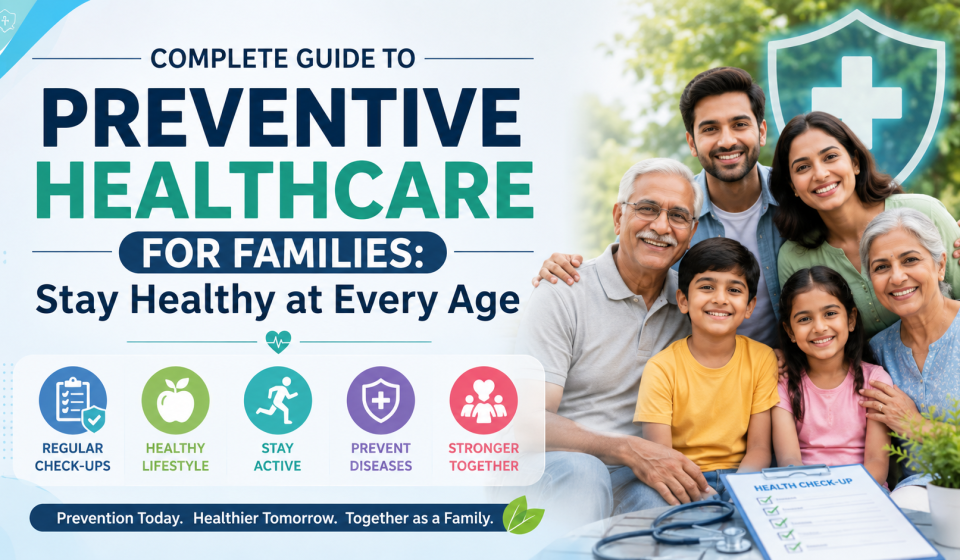

Learn why preventive healthcare is essential for every family, discover age-wise health checkups, healthy lifestyle habits, vaccination schedules, nutrition tips, mental wellness strategies, and practical ways to prevent diseases before they start.
Healthcare is no longer just about treating illnesses after they appear. Today, medical experts emphasize preventive healthcare, a proactive approach that helps individuals and families stay healthy while reducing the risk of chronic diseases. Instead of waiting until symptoms develop, preventive care focuses on regular checkups, healthy habits, vaccinations, screenings, and early detection of health issues.
For families, preventive healthcare creates a strong foundation for lifelong wellness. Whether you have young children, teenagers, working adults, or elderly parents at home, preventive care ensures that every family member receives the right attention at the right time.
In this comprehensive guide, we’ll explore everything families need to know about preventive healthcare, including its benefits, essential screenings, healthy lifestyle practices, vaccination schedules, nutrition, mental health, and practical tips to build a healthier future.
What Is Preventive Healthcare?
Preventive healthcare refers to medical services and lifestyle practices designed to prevent diseases before they occur or detect them in their earliest stages.
Rather than focusing only on treatment, preventive healthcare aims to:
- Detect diseases early
- Reduce health risks
- Promote healthy living
- Improve quality of life
- Lower healthcare costs
- Increase life expectancy
Examples include:
- Annual health checkups
- Vaccinations
- Blood pressure monitoring
- Diabetes screening
- Cancer screenings
- Dental checkups
- Eye examinations
- Healthy diet planning
- Physical activity
- Mental health support
Why Preventive Healthcare Matters for Families
Every family has different healthcare needs depending on age, genetics, lifestyle, and medical history. Preventive healthcare helps protect every generation under one roof.
Some major benefits include:
1. Early Detection Saves Lives
Many serious diseases such as diabetes, hypertension, cancer, and heart disease develop silently.
Routine screenings can identify problems before symptoms appear, making treatment more effective.
2. Lower Medical Expenses
Treating advanced illnesses is significantly more expensive than preventing them.
Regular checkups help avoid costly emergency treatments, surgeries, and hospital stays.
3. Better Quality of Life
Healthy individuals enjoy:
- More energy
- Better productivity
- Improved mental health
- Longer lifespan
- Reduced stress
4. Protecting Children
Vaccinations, developmental assessments, nutritional guidance, and regular pediatric visits ensure healthy growth.
5. Healthy Aging
Older adults benefit from preventive screenings that reduce complications from:
- Arthritis
- Osteoporosis
- Heart disease
- Stroke
- Memory disorders
Essential Components of Preventive Healthcare
Regular Health Checkups
Routine medical examinations help monitor overall health.
Adults should generally schedule annual physical examinations that include:
- Blood pressure
- Weight
- BMI
- Heart examination
- Blood sugar
- Cholesterol
- Kidney function
- Liver function
Doctors may recommend additional tests based on age and risk factors.
Vaccinations
Vaccines remain one of the safest and most effective methods of preventing infectious diseases.
Important vaccinations include:
For Children
- Polio
- MMR
- Hepatitis B
- DPT
- Rotavirus
- Chickenpox
- Influenza
Adults
- Annual flu vaccine
- COVID-19 boosters (when recommended)
- Tetanus booster
- Hepatitis vaccines (risk-based)
- HPV vaccine (eligible age groups)
Seniors
- Pneumococcal vaccine
- Shingles vaccine
- Influenza vaccine
Preventive Screenings by Age
Children
Routine pediatric visits include:
- Growth monitoring
- Vision testing
- Hearing screening
- Developmental assessments
- Dental care
- Nutrition counseling
Teenagers
Recommended screenings:
- Mental health evaluation
- Vision examination
- Dental visits
- Sports physicals
- Nutrition assessment
- Obesity screening
Adults (20–40 Years)
Essential preventive tests:
- Blood pressure
- Cholesterol
- Blood sugar
- BMI
- Dental examination
- Eye examination
- Skin examination
Adults (40–60 Years)
Additional screenings include:
- Diabetes
- Colon cancer
- Breast cancer
- Cervical cancer
- Prostate evaluation (when advised)
- Heart disease risk assessment
Seniors (60+)
Important preventive care includes:
- Bone density testing
- Hearing assessment
- Memory screening
- Fall risk evaluation
- Vision examination
- Vaccinations
Healthy Eating for the Whole Family
Nutrition is one of the strongest pillars of preventive healthcare.
A balanced family diet should include:
Fruits and Vegetables
Aim for a colorful variety every day.
Benefits include:
- Vitamins
- Minerals
- Antioxidants
- Fiber
Whole Grains
Examples:
- Brown rice
- Oats
- Whole wheat
- Millets
- Quinoa
These improve digestion and support heart health.
Lean Proteins
Choose:
- Fish
- Chicken
- Eggs
- Lentils
- Beans
- Tofu
Protein helps build muscles and repair tissues.
Healthy Fats
Include:
- Nuts
- Seeds
- Olive oil
- Avocados
Healthy fats support brain and heart health.
Stay Hydrated
Water supports:
- Digestion
- Kidney function
- Skin health
- Temperature regulation
Limit sugary beverages and encourage water throughout the day.
Importance of Physical Activity
Exercise is essential for disease prevention.
Children
At least 60 minutes of physical activity daily.
Examples:
- Outdoor games
- Cycling
- Swimming
- Running
Adults
Aim for:
- 150 minutes of moderate exercise weekly
- Muscle-strengthening exercises twice a week
Activities include:
- Walking
- Yoga
- Jogging
- Strength training
- Dancing
Seniors
Recommended exercises:
- Walking
- Stretching
- Balance training
- Light strength exercises
These reduce fall risks and improve mobility.
Mental Health Is Preventive Healthcare Too
Mental wellness directly affects physical health.
Families should prioritize:
- Open communication
- Stress management
- Quality sleep
- Emotional support
- Counseling when needed
Warning signs include:
- Persistent sadness
- Anxiety
- Sleep disturbances
- Social withdrawal
- Loss of interest in activities
Seeking professional help early prevents long-term complications.
Importance of Sleep
Sleep allows the body to recover and strengthens immunity.
Recommended sleep duration:
- Children: 9–12 hours
- Teenagers: 8–10 hours
- Adults: 7–9 hours
- Seniors: 7–8 hours
Good sleep habits include:
- Fixed bedtime
- Limiting screen time before bed
- Comfortable sleeping environment
- Avoiding caffeine late in the day
Managing Stress in Daily Life
Chronic stress contributes to:
- High blood pressure
- Heart disease
- Anxiety
- Depression
- Poor immunity
Healthy stress management techniques include:
- Meditation
- Yoga
- Deep breathing
- Family time
- Reading
- Walking outdoors
- Hobbies
Family Health History Matters
Many diseases have a hereditary component.
Knowing your family’s medical history helps doctors assess risks for:
- Diabetes
- Heart disease
- High blood pressure
- Certain cancers
- Thyroid disorders
Share this information during routine medical visits.
Dental Care as Preventive Healthcare
Oral health influences overall health.
Family dental care should include:
- Brushing twice daily
- Flossing
- Dental checkups every six months
- Limiting sugary foods
- Replacing toothbrushes regularly
Poor oral health has been linked to heart disease and diabetes.
Vision and Hearing Care
Routine eye and hearing exams detect problems before they worsen.
Benefits include:
- Better learning in children
- Improved workplace performance
- Reduced accident risks
- Early detection of glaucoma, cataracts, and hearing loss
Preventive Healthcare for Women
Women should prioritize:
- Breast examinations
- Mammograms (age/risk-based)
- Cervical cancer screening
- Bone health assessment
- Pregnancy planning consultations
- Iron deficiency screening
Regular gynecological visits support reproductive health and early detection of conditions.
Preventive Healthcare for Men
Men often delay medical care, increasing health risks.
Recommended preventive measures include:
- Blood pressure monitoring
- Cholesterol testing
- Diabetes screening
- Heart disease assessment
- Prostate evaluation (when appropriate)
- Mental health support
Preventing Lifestyle Diseases
Lifestyle diseases account for a significant portion of preventable illnesses.
Common examples include:
- Diabetes
- Hypertension
- Obesity
- Heart disease
- Stroke
- Fatty liver disease
Healthy habits reduce these risks substantially.
Building Healthy Family Habits
Preventive healthcare works best when practiced together.
Simple family habits include:
- Eating meals together
- Cooking healthy recipes
- Weekend outdoor activities
- Limiting screen time
- Encouraging children to play outside
- Drinking enough water
- Annual health checkups
- Vaccination reminders
Children often imitate adults, making parents important role models.
Technology and Preventive Healthcare
Modern technology helps families stay on track with their health goals.
Useful tools include:
- Fitness trackers
- Medication reminders
- Telemedicine consultations
- Health monitoring apps
- Smartwatches for heart rate and activity tracking
Technology should complement—not replace—professional medical advice.
Creating a Family Preventive Healthcare Plan
An organized health plan makes preventive care easier.
Your family plan should include:
- Annual physical examinations
- Vaccination schedules
- Emergency contacts
- Family medical history
- Medication list
- Healthy meal planning
- Weekly exercise goals
- Dental appointments
- Eye examinations
Review and update the plan every year.
Common Myths About Preventive Healthcare
Myth 1: I only need a doctor when I’m sick.
Fact: Routine checkups can identify hidden health issues before symptoms appear.
Myth 2: Young people don’t need preventive care.
Fact: Healthy habits and regular screenings should begin early in life.
Myth 3: Vaccines are only for children.
Fact: Adults and seniors also need recommended vaccines to maintain protection.
Myth 4: Healthy people don’t need screenings.
Fact: Many conditions, such as high blood pressure and diabetes, may have no early symptoms.
Myth 5: Preventive care is expensive.
Fact: Preventing disease is often much more affordable than treating advanced illnesses.
Sources
https://sl1nk.com/4qwyy44
https://l1nq.com/8pe6kuj
Conclusion
Preventive healthcare is one of the most valuable investments a family can make. By combining regular medical checkups, recommended vaccinations, healthy nutrition, physical activity, quality sleep, mental wellness, and routine screenings, families can significantly reduce the risk of chronic diseases and improve overall well-being.
Healthy habits practiced consistently today can lead to a healthier, happier future for every generation. Whether you’re caring for young children, supporting aging parents, or focusing on your own health, preventive care empowers your family to detect problems early, make informed health decisions, and enjoy a better quality of life for years to come.
Frequently Asked Questions (FAQs)
1. What is preventive healthcare?
Preventive healthcare involves medical services and healthy lifestyle practices that help prevent diseases or detect them early before they become serious.
2. How often should families schedule health checkups?
Most adults should have a routine health checkup once a year, while children, seniors, and individuals with chronic conditions may require more frequent visits as advised by their healthcare provider.
3. Why are vaccinations important for families?
Vaccinations protect children and adults from many infectious diseases, reduce the spread of illness, and help build community immunity.
4. What are the most important preventive health habits?
Eating a balanced diet, exercising regularly, getting enough sleep, managing stress, avoiding tobacco, limiting alcohol, staying up to date on vaccinations, and attending routine medical screenings are among the most important preventive habits.
5. Can preventive healthcare reduce medical expenses?
Yes. Early detection and disease prevention often reduce the need for expensive treatments, hospitalizations, and emergency care, making preventive healthcare a cost-effective approach to long-term health.