
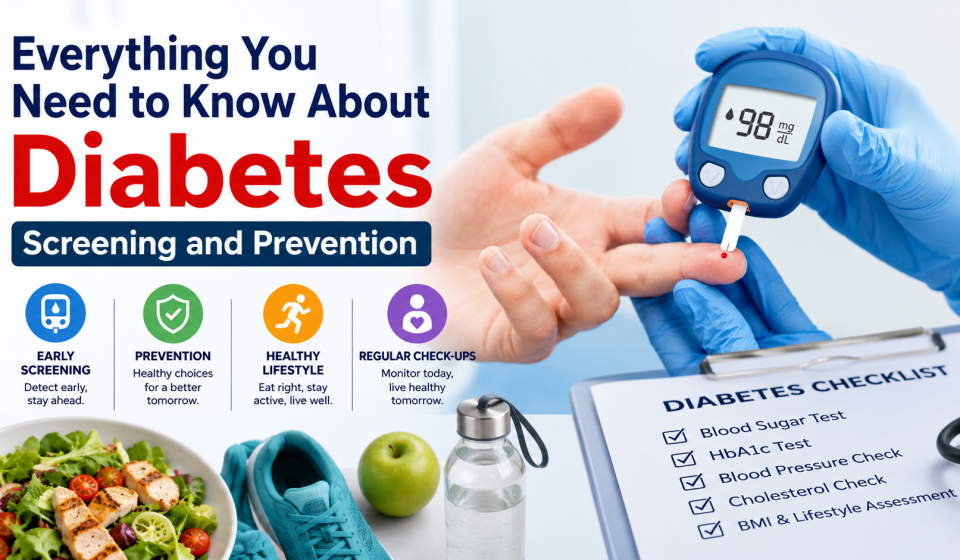

Learn everything you need to know about Diabetes Screening and Prevention, including risk factors, screening tests, symptoms, lifestyle changes, and expert prevention tips. Discover how early detection can help prevent complications and improve long-term health.
Diabetes has become one of the fastest-growing chronic diseases worldwide, affecting millions of people regardless of age or background. According to global health reports, many individuals live with diabetes or prediabetes without even knowing it because the condition often develops gradually with few noticeable symptoms. This makes Diabetes Screening and Prevention more important than ever.
Early detection through routine screening can help identify high blood sugar levels before they cause permanent damage. At the same time, healthy lifestyle choices can significantly reduce the risk of developing Type 2 diabetes, even for people with a family history of the disease.
Whether you’re looking to understand your personal risk, learn about diabetes screening tests, or discover practical prevention strategies, this comprehensive guide covers everything you need to know.
What Is Diabetes?
Diabetes is a chronic condition that occurs when your body cannot properly regulate blood sugar (glucose). Glucose is the body’s primary source of energy, but it requires insulin—a hormone produced by the pancreas—to move from the bloodstream into cells.
When insulin production is insufficient or the body becomes resistant to insulin, blood sugar levels rise, leading to diabetes.
The three major types include:
- Type 1 Diabetes
- Type 2 Diabetes
- Gestational Diabetes
Among these, Type 2 diabetes accounts for nearly 90–95% of all diabetes cases and is often preventable through healthy lifestyle habits.
Why Diabetes Screening Is Important
Many people have diabetes for years without realizing it because symptoms may develop slowly or remain unnoticed.
Regular screening helps:
- Detect diabetes early
- Identify prediabetes before it progresses
- Reduce the risk of complications
- Begin treatment sooner
- Improve long-term quality of life
- Lower healthcare costs through early intervention
Early diagnosis often means simpler treatment and better outcomes.
Who Should Get Screened for Diabetes?
Healthcare professionals recommend screening for people who have one or more risk factors.
Adults Age 35 and Older
Routine screening is generally recommended starting at age 35, especially if overweight.
People Who Are Overweight or Obese
Excess body weight significantly increases insulin resistance.
Family History
Having a parent or sibling with diabetes raises your risk.
High Blood Pressure
Hypertension and diabetes frequently occur together.
High Cholesterol
Unhealthy cholesterol levels contribute to metabolic disorders.
Physical Inactivity
Sedentary lifestyles increase diabetes risk.
Women with Gestational Diabetes History
Women who developed diabetes during pregnancy have a higher chance of developing Type 2 diabetes later.
Polycystic Ovary Syndrome (PCOS)
Women with PCOS are more likely to develop insulin resistance.
Common Symptoms of Diabetes
Many early symptoms may seem harmless but should never be ignored.
These include:
- Frequent urination
- Excessive thirst
- Increased hunger
- Fatigue
- Blurred vision
- Slow wound healing
- Frequent infections
- Tingling in hands or feet
- Unexpected weight loss
- Dry skin
If you notice multiple symptoms, consult a healthcare provider promptly.
Diabetes Screening Tests Explained
1. Fasting Blood Sugar Test
Measures blood glucose after fasting for at least eight hours.
Results:
- Normal: Below 100 mg/dL
- Prediabetes: 100–125 mg/dL
- Diabetes: 126 mg/dL or higher
2. HbA1c Test
Also called the Glycated Hemoglobin Test.
This measures average blood sugar over the previous 2–3 months.
Results:
- Normal: Below 5.7%
- Prediabetes: 5.7%–6.4%
- Diabetes: 6.5% or higher
3. Oral Glucose Tolerance Test (OGTT)
After drinking a sugary solution, blood sugar levels are measured over two hours.
Often used during pregnancy and in diagnosing gestational diabetes.
4. Random Blood Sugar Test
Blood sugar is checked at any time regardless of meals.
Very high readings combined with symptoms often indicate diabetes.
What Is Prediabetes?
Prediabetes means blood sugar is higher than normal but not high enough to be classified as diabetes.
Without intervention:
- Many people develop Type 2 diabetes within a few years.
- Heart disease risk increases.
- Stroke risk rises.
The encouraging news is that prediabetes can often be reversed with healthy lifestyle changes.
Risk Factors for Diabetes
Several factors increase diabetes risk.
Non-Modifiable Risk Factors
- Age
- Genetics
- Family history
- Ethnicity
Modifiable Risk Factors
- Obesity
- Poor diet
- Lack of exercise
- Smoking
- Excessive alcohol
- High blood pressure
- High cholesterol
- Chronic stress
- Poor sleep
The good news is that most modifiable risk factors can be improved.
12 Effective Ways to Prevent Diabetes
1. Maintain a Healthy Weight
Even losing 5–10% of body weight can dramatically lower diabetes risk.
2. Exercise Regularly
Aim for at least:
- 150 minutes of moderate exercise weekly
- Strength training twice a week
Walking, cycling, swimming, and dancing all help improve insulin sensitivity.
3. Eat More Fiber
High-fiber foods include:
- Whole grains
- Beans
- Lentils
- Fruits
- Vegetables
- Oats
Fiber slows sugar absorption and improves blood sugar control.
4. Reduce Added Sugar
Avoid excessive:
- Soft drinks
- Candy
- Cakes
- Sweetened coffee
- Energy drinks
Replace sugary beverages with water or unsweetened tea.
5. Choose Whole Grains
Whole grains digest more slowly and help maintain stable blood sugar.
Examples include:
- Brown rice
- Whole wheat
- Quinoa
- Oats
6. Eat Healthy Fats
Healthy fats come from:
- Nuts
- Seeds
- Olive oil
- Avocados
- Fatty fish
Limit saturated and trans fats whenever possible.
7. Stay Hydrated
Drinking enough water supports metabolism and may reduce sugary beverage consumption.
8. Get Enough Sleep
Adults should aim for 7–9 hours of quality sleep every night.
Poor sleep contributes to insulin resistance.
9. Manage Stress
Long-term stress raises hormones that can increase blood sugar.
Helpful stress-management techniques include:
- Meditation
- Yoga
- Deep breathing
- Reading
- Spending time outdoors
10. Quit Smoking
Smoking increases insulin resistance and cardiovascular disease risk.
Quitting benefits overall health immediately.
11. Limit Alcohol
Excessive alcohol intake may contribute to unstable blood sugar levels and weight gain.
Moderation is key.
12. Schedule Regular Health Checkups
Routine screening allows early detection before symptoms become severe.
Foods That Help Prevent Diabetes
A balanced diet is one of the most powerful prevention tools.
Choose foods such as:
- Leafy green vegetables
- Broccoli
- Carrots
- Apples
- Berries
- Oranges
- Oats
- Brown rice
- Whole wheat bread
- Lentils
- Chickpeas
- Greek yogurt
- Eggs
- Chicken breast
- Salmon
- Almonds
- Walnuts
- Chia seeds
Foods to Limit
Try reducing:
- Sugary drinks
- White bread
- White rice
- Fried foods
- Processed meats
- Packaged snacks
- Pastries
- Candy
- Ice cream
- Fast food
Occasional treats are fine, but moderation is important.
Diabetes Complications If Left Untreated
Uncontrolled diabetes may lead to serious health problems.
Possible complications include:
- Heart disease
- Stroke
- Kidney disease
- Vision loss
- Nerve damage
- Foot ulcers
- Poor wound healing
- Gum disease
- Sexual dysfunction
- Increased infection risk
Early diagnosis significantly reduces these complications.
Diabetes Prevention for Children and Teenagers
Type 2 diabetes is becoming more common among younger people due to unhealthy lifestyle habits.
Parents can help by encouraging:
- Daily physical activity
- Healthy snacks
- Limited screen time
- Balanced meals
- Adequate sleep
- Family exercise routines
Healthy habits established early often last a lifetime.
Diabetes Screening During Pregnancy
Pregnant women may develop gestational diabetes, even without prior diabetes.
Screening usually occurs between 24 and 28 weeks of pregnancy.
Proper management protects both mother and baby while reducing future diabetes risk.
How Often Should You Be Screened?
Screening frequency depends on your health and risk factors.
General recommendations:
- Adults with normal results: Every 3 years
- People with prediabetes: Every year
- Pregnant women: As advised during pregnancy
- Individuals with multiple risk factors: As recommended by their healthcare provider
Always follow personalized medical advice if you have existing health conditions.
Living a Diabetes-Free Lifestyle
Preventing diabetes isn’t about following a temporary diet—it’s about building sustainable habits.
Simple daily practices such as choosing nutritious meals, staying active, maintaining a healthy weight, sleeping well, and attending routine health checkups can dramatically lower your risk. Even small, consistent improvements add up over time and support overall well-being.
Sources
https://sl1nk.com/2w984xd
https://sl1nk.com/qcqz2cv
Conclusion
Diabetes Screening and Prevention are among the most effective ways to protect your long-term health. Since diabetes often develops silently, regular screening can identify problems before complications occur. Fortunately, many cases of Type 2 diabetes are preventable through healthy eating, regular physical activity, weight management, and routine medical checkups.
Whether you’re at high risk or simply taking a proactive approach to your health, investing in prevention today can lead to a healthier future. Talk to your healthcare provider about the right screening schedule for you and make lifestyle changes that support healthy blood sugar levels for years to come.
Frequently Asked Questions (FAQs)
1. What is the best test for diabetes screening?
The HbA1c test and fasting blood sugar test are among the most commonly used screening methods. Your healthcare provider may recommend one or more tests based on your medical history and risk factors.
2. Can Type 2 diabetes be prevented?
Yes. Many cases of Type 2 diabetes can be prevented or delayed through regular exercise, a healthy diet, maintaining a healthy weight, avoiding smoking, and routine health screenings.
3. How often should I get screened for diabetes?
Most adults with normal results should be screened every three years starting around age 35, while people with prediabetes or additional risk factors may need annual screening or more frequent testing as advised by their healthcare provider.
4. What are the early warning signs of diabetes?
Common early symptoms include frequent urination, excessive thirst, unexplained fatigue, blurred vision, slow-healing wounds, and increased hunger. Some people may have no symptoms, making regular screening especially important.
5. Can prediabetes be reversed?
In many cases, yes. Healthy lifestyle changes—such as losing excess weight, eating a balanced diet, increasing physical activity, and improving sleep—can return blood sugar levels to the normal range and reduce the risk of developing Type 2 diabetes.