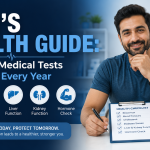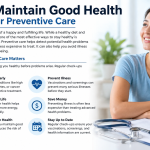


The Complete Guide to Women’s Preventive Health Checkups: Learn essential health screenings, age-wise preventive tests, cancer screenings, vaccinations, lifestyle tips, and expert recommendations to maintain lifelong wellness.
and reproductive years to pregnancy, menopause, and beyond, every phase brings new health challenges and opportunities for prevention. While many women seek medical attention only when they experience symptoms, preventive healthcare emphasizes staying healthy by detecting diseases early—or preventing them altogether.
Preventive health checkups are one of the most effective ways to protect long-term health. Regular screenings can identify conditions such as breast cancer, cervical cancer, diabetes, hypertension, osteoporosis, thyroid disorders, and heart disease before symptoms appear. Early detection often means simpler treatments, lower healthcare costs, and significantly improved outcomes.
Modern lifestyles, stress, unhealthy eating habits, lack of physical activity, environmental pollution, and hormonal changes have increased the risk of chronic diseases among women of all ages. Fortunately, many of these conditions can either be prevented or managed successfully through routine medical examinations and healthy lifestyle choices.
This comprehensive guide explains everything women need to know about preventive health checkups, including recommended screenings by age, essential laboratory tests, vaccinations, lifestyle assessments, and practical tips for maintaining lifelong wellness.
Why Preventive Health Checkups Matter
Preventive healthcare focuses on maintaining wellness rather than treating illness after it develops. Routine health screenings help healthcare providers detect potential problems before they become serious.
Benefits of Preventive Health Checkups
- Early detection of diseases
- Lower treatment costs
- Better treatment outcomes
- Improved quality of life
- Longer life expectancy
- Reduced risk of serious complications
- Better reproductive and hormonal health
- Improved mental well-being
Women who receive regular preventive screenings are more likely to detect illnesses at an early stage when treatment is most successful.
What Happens During a Preventive Health Checkup?
A comprehensive preventive examination typically includes several components designed to evaluate your overall health.
1. Medical History Review
Your healthcare provider will ask about:
- Family medical history
- Previous illnesses
- Current medications
- Menstrual history
- Pregnancy history
- Lifestyle habits
- Mental health
- Allergies
- Sleep quality
2. Physical Examination
The doctor usually checks:
- Height
- Weight
- Body Mass Index (BMI)
- Blood pressure
- Heart rate
- Temperature
- Respiratory rate
- Vision
- Hearing
- Skin condition
- Thyroid gland
- Heart and lungs
- Abdomen
3. Laboratory Tests
Depending on age and risk factors, your physician may recommend blood and urine tests to assess your overall health.
Preventive Health Checkups by Age
Different stages of life require different screening strategies.
Women Ages 18–29
Young adulthood is the ideal time to establish healthy habits and identify inherited health risks.
Recommended Annual Checkups
- General physical examination
- Blood pressure measurement
- Weight and BMI assessment
- Vision examination
- Dental examination
- Mental health screening
- Skin examination
Laboratory Tests
Your healthcare provider may recommend:
- Complete Blood Count (CBC)
- Blood sugar testing
- Lipid profile (if risk factors exist)
- Thyroid function tests
- Vitamin D levels
- Iron studies (if heavy menstrual bleeding occurs)
Cervical Cancer Screening
Women should begin cervical cancer screening according to current medical guidelines.
Screening generally includes:
- Pap smear
- HPV testing (depending on age and recommendations)
Regular screening has significantly reduced cervical cancer deaths through early detection of abnormal cells.
Sexual Health Screening
Depending on individual risk factors, testing may include:
- Chlamydia
- Gonorrhea
- HIV
- Hepatitis B
- Hepatitis C
- Syphilis
Early diagnosis allows timely treatment and helps prevent long-term complications.
Women Ages 30–39
During this stage, career responsibilities, pregnancy planning, and family commitments often become priorities. Preventive healthcare should remain equally important.
Annual Evaluations
- Blood pressure
- Weight
- BMI
- Physical examination
- Depression screening
- Anxiety screening
- Lifestyle assessment
Important Blood Tests
Doctors may recommend:
- Blood glucose
- HbA1c
- Cholesterol profile
- Liver function tests
- Kidney function tests
- Thyroid profile
- Vitamin B12
- Vitamin D
Breast Health
Women should become familiar with the normal appearance and feel of their breasts.
Healthcare providers may perform:
- Clinical breast examination
- Risk assessment
- Imaging when medically indicated
Women with a strong family history may require earlier screening.
Reproductive Health
Women planning pregnancy should also consider:
- Preconception counseling
- Rubella immunity
- Folic acid supplementation
- Blood group testing
- Genetic counseling (if indicated)
Women Ages 40–49
This decade marks an important transition in women’s health. Risks for cardiovascular disease, diabetes, breast cancer, and hormonal changes begin to increase.
Routine preventive care becomes even more valuable.
Annual Health Assessments
Every year, women should have:
- Complete physical examination
- Blood pressure
- Weight
- BMI
- Waist circumference
- Cardiovascular assessment
Diabetes Screening
Healthcare providers often recommend:
- Fasting Blood Sugar
- HbA1c
- Oral Glucose Tolerance Test (when appropriate)
Early identification of prediabetes allows lifestyle changes that may prevent Type 2 diabetes.
Cholesterol Testing
Regular lipid testing evaluates:
- Total cholesterol
- LDL cholesterol
- HDL cholesterol
- Triglycerides
Managing cholesterol helps lower the risk of heart attacks and strokes.
Mammography
Many women begin routine mammography during their 40s, based on age, personal risk factors, and shared decision-making with their healthcare provider.
Mammograms can detect breast cancer before a lump becomes noticeable, improving the chances of successful treatment.
Bone Health Assessment
Women with certain risk factors may require early osteoporosis screening, especially if they have:
- Family history of osteoporosis
- Long-term steroid use
- Early menopause
- Low body weight
- Previous fractures
Eye Examinations
Regular eye exams become increasingly important to detect:
- Glaucoma
- Cataracts
- Diabetic eye disease
- Vision changes
Early treatment helps preserve vision and prevents complications.
Women Ages 50–64
As women enter their 50s, the body undergoes significant hormonal changes due to menopause. During this stage, the risk of heart disease, osteoporosis, diabetes, certain cancers, and metabolic disorders increases. Regular preventive health checkups become more important than ever to maintain a healthy and active lifestyle.
Healthcare providers may recommend more comprehensive screenings based on your medical history, family history, and lifestyle.
Annual Physical Examination
Every year, women should schedule a complete health assessment that includes:
- Blood pressure measurement
- Weight and Body Mass Index (BMI)
- Waist circumference
- Heart rate
- Vision and hearing assessment
- Medication review
- Lifestyle counseling
- Mental health evaluation
- Physical examination
These routine visits provide an opportunity to identify health concerns before they become serious.
Cardiovascular Health Screening
Heart disease remains one of the leading causes of death among women worldwide. Unfortunately, symptoms can be different from those experienced by men, making regular screening essential.
Your doctor may recommend:
- Blood pressure check
- Lipid profile
- Blood sugar testing
- Electrocardiogram (ECG) when indicated
- Cardiac risk assessment
- Evaluation of family history
Warning Signs Women Should Never Ignore
- Chest discomfort
- Shortness of breath
- Pain in the jaw, neck, or back
- Unusual fatigue
- Nausea with chest discomfort
- Dizziness
- Irregular heartbeat
Preventive care helps identify cardiovascular risks before a heart attack or stroke occurs.
Breast Cancer Screening
Breast cancer risk increases with age, making regular screening an essential part of preventive healthcare.
Depending on your age and individual risk factors, your healthcare provider may recommend:
- Mammography
- Clinical breast examination
- Breast MRI (for high-risk women)
- Genetic counseling if there is a strong family history
Women should also remain familiar with the normal appearance and feel of their breasts and report any changes promptly.
Watch for These Symptoms
- Breast lump
- Skin dimpling
- Nipple discharge
- Persistent breast pain
- Changes in breast shape
- Swelling under the arm
Cervical Cancer Screening
Even after menopause, cervical cancer screening may still be necessary.
Your doctor may recommend:
- Pap smear
- HPV testing
- Pelvic examination
The frequency of screening depends on previous test results and your medical history.
Colorectal Cancer Screening
Beginning at the recommended screening age—or earlier for those with higher risk—women should discuss colorectal cancer screening with their healthcare provider.
Screening options include:
- Colonoscopy
- Stool-based tests
- Flexible sigmoidoscopy (when appropriate)
Colorectal cancer is highly treatable when detected early, making routine screening one of the most effective preventive measures.
Osteoporosis Screening
After menopause, declining estrogen levels accelerate bone loss, increasing the risk of osteoporosis and fractures.
Doctors may recommend:
- Bone Mineral Density (DEXA scan)
- Calcium assessment
- Vitamin D testing
- Fall risk evaluation
Risk Factors
- Family history
- Smoking
- Alcohol use
- Low body weight
- Sedentary lifestyle
- Long-term steroid use
Tips for Strong Bones
- Consume calcium-rich foods
- Maintain adequate vitamin D levels
- Perform weight-bearing exercises
- Strength training
- Avoid smoking
- Limit alcohol consumption
Diabetes Screening
Women over 50 should undergo regular diabetes screening, particularly if they have:
- Obesity
- Family history
- High blood pressure
- High cholesterol
- History of gestational diabetes
- Polycystic Ovary Syndrome (PCOS)
Tests may include:
- Fasting Blood Sugar
- HbA1c
- Glucose tolerance testing (when appropriate)
Early detection helps prevent complications affecting the kidneys, eyes, nerves, and heart.
Thyroid Function Testing
Thyroid disorders become more common with age, especially in women.
Symptoms may include:
- Fatigue
- Weight gain
- Depression
- Hair loss
- Dry skin
- Constipation
- Cold intolerance
A simple blood test can help diagnose thyroid conditions before symptoms become severe.
Women Ages 65 and Older
Healthy aging requires continued preventive healthcare. Older women remain at risk for chronic diseases, mobility issues, cognitive decline, and nutritional deficiencies.
Routine medical care can help maintain independence and quality of life.
Women with Polycystic Ovary Syndrome (PCOS)
PCOS is associated with an increased risk of:
- Type 2 diabetes
- High cholesterol
- Obesity
- High blood pressure
- Infertility
- Endometrial cancer
Regular follow-up and metabolic screening are important for long-term health.
Women with Obesity
Obesity increases the risk of:
- Heart disease
- Stroke
- Diabetes
- Sleep apnea
- Fatty liver disease
- Certain cancers
Preventive care should include nutrition counseling, physical activity guidance, and regular monitoring of blood pressure, blood sugar, and cholesterol.
Warning Signs That Should Never Be Ignored
Although preventive checkups are scheduled routinely, certain symptoms require prompt medical attention.
Seek medical care if you experience:
- Persistent chest pain
- Sudden shortness of breath
- Unexplained weight loss
- Blood in stool or urine
- Breast lump or nipple discharge
- Unusual vaginal bleeding
- Severe pelvic pain
- Persistent abdominal swelling
- Frequent fainting
- Severe headaches
- Changes in vision
- Difficulty speaking or weakness on one side of the body
- Persistent fatigue without a clear cause
Early evaluation can lead to faster diagnosis and more effective treatment.
Tips to Stay Healthy Between Checkups
Preventive healthcare extends beyond clinic visits. Daily habits have a major impact on long-term wellness.
- Eat a balanced, nutrient-rich diet.
- Exercise regularly.
- Get 7–9 hours of quality sleep each night.
- Stay hydrated.
- Avoid smoking and exposure to tobacco smoke.
- Limit alcohol consumption.
- Manage stress through mindfulness, meditation, or hobbies.
- Maintain a healthy body weight.
- Keep vaccinations up to date.
- Practice safe sex and attend recommended reproductive health screenings.
- Wear sunscreen and protect your skin from excessive sun exposure.
- Schedule routine dental and eye examinations.
- Follow your healthcare provider’s advice for age-appropriate screenings.
Women’s Preventive Health Checklist
Use this checklist as a reminder for routine preventive care:
✔ Annual physical examination
✔ Blood pressure screening
✔ Weight and BMI assessment
✔ Blood sugar testing (as recommended)
✔ Cholesterol screening
✔ Cervical cancer screening (Pap smear/HPV testing, when appropriate)
✔ Breast cancer screening (mammography based on age and risk)
✔ Colorectal cancer screening (as recommended)
✔ Bone density test (DEXA scan, when indicated)
✔ Thyroid function testing (if advised)
✔ Eye examination
✔ Dental checkup
✔ Hearing assessment (especially for older adults)
✔ Mental health screening
✔ Vaccination review and updates
Keeping track of these preventive services can help detect health issues early and support a healthier future.
Sources
https://sl1nk.com/23mi5q9
https://l1nq.com/m7qnw4g
Conclusion
Preventive health checkups are one of the most effective investments women can make in their long-term health. From adolescence through older adulthood, routine screenings, vaccinations, and healthy lifestyle choices play a crucial role in preventing disease and identifying health concerns at an early stage.
Every woman has unique health needs based on age, genetics, lifestyle, and personal medical history. Working closely with a trusted healthcare provider allows you to create a personalized prevention plan that evolves with each stage of life. Staying proactive through regular checkups, maintaining healthy habits, and paying attention to changes in your body can significantly reduce the risk of serious illnesses and improve overall quality of life.
Remember, preventive care is not just about avoiding disease—it is about empowering yourself to live a healthier, stronger, and more fulfilling life.
Frequently Asked Questions (FAQs)
1. How often should women have a preventive health checkup?
Most women should have a comprehensive preventive health checkup once a year. However, the frequency of specific screenings may vary based on age, medical history, and individual risk factors.
2. At what age should women start mammograms?
The appropriate age depends on personal risk factors and current medical guidelines. Many women begin routine mammography in their 40s, while those with a strong family history may need earlier screening after discussing it with their healthcare provider.
3. Are preventive health checkups covered by insurance?
Many health insurance plans cover recommended preventive services, but coverage varies by country, insurer, and policy. Check with your insurance provider for details about your specific plan.
4. Which blood tests are commonly included in a preventive health checkup?
Common tests include a Complete Blood Count (CBC), fasting blood glucose, HbA1c, lipid profile, thyroid function tests, liver and kidney function tests, vitamin D, vitamin B12, iron studies, and urinalysis, depending on individual needs.
5. Why are preventive health checkups important even if I feel healthy?
Many conditions, including high blood pressure, diabetes, high cholesterol, and some cancers, may not cause symptoms in their early stages. Routine checkups help detect these conditions early, when treatment is often more effective.