
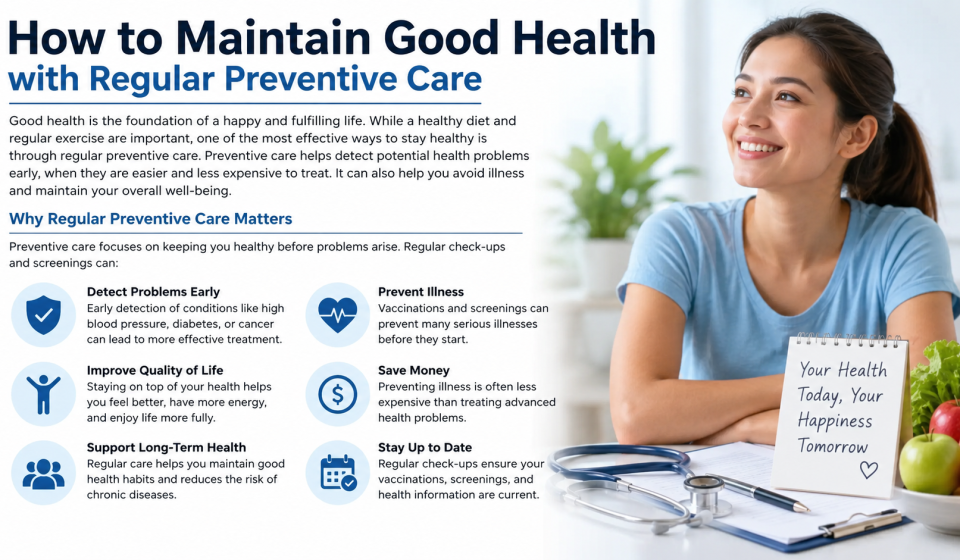

Discover the top reasons to schedule a health checkup before symptoms appear. Learn how preventive health screenings can detect diseases early, reduce medical costs, and improve long-term health.
Most people only visit a doctor when they feel sick. Unfortunately, many serious health conditions—including diabetes, high blood pressure, heart disease, kidney disorders, and certain cancers—often develop silently without noticeable symptoms during their early stages. By the time warning signs appear, treatment may become more complex, expensive, and less effective.
This is why preventive healthcare has become one of the most important aspects of modern medicine. Scheduling a health checkup before symptoms appear allows healthcare professionals to identify hidden health risks, detect diseases in their earliest stages, and recommend lifestyle changes before conditions become severe.
Preventive health screenings are not only about finding diseases. They also help establish your baseline health, monitor important body functions, evaluate nutritional status, and provide personalized guidance for maintaining lifelong wellness.
Whether you’re in your 20s, 30s, 40s, or beyond, regular medical checkups can significantly improve your quality of life while reducing long-term healthcare expenses.
In this comprehensive guide, we’ll explore the top reasons why everyone should prioritize routine health checkups—even when they feel perfectly healthy.
A preventive health checkup is a comprehensive medical evaluation performed before any illness develops. It includes physical examinations, laboratory tests, imaging (if necessary), and consultations designed to detect health problems early.
Typical preventive screenings may include:
- Blood pressure measurement
- Blood sugar testing
- Cholesterol profile
- Complete blood count (CBC)
- Liver and kidney function tests
- Thyroid screening
- BMI and weight assessment
- Urine analysis
- ECG (for heart health)
- Cancer screenings (based on age and gender)
These tests help physicians identify hidden conditions that may otherwise remain undetected for years.
1. Early Detection Saves Lives
Many life-threatening diseases begin quietly.
Examples include:
- Hypertension
- Type 2 diabetes
- High cholesterol
- Kidney disease
- Heart disease
- Certain cancers
Early diagnosis allows treatment to begin before permanent damage occurs.
For example:
Someone with mildly elevated blood sugar can reverse prediabetes through exercise and dietary improvements, preventing future diabetes altogether.
Similarly, early-stage cancers often have significantly higher survival rates than advanced cancers.
2. Prevent Serious Complications
Ignoring hidden health problems often leads to complications such as:
- Stroke
- Heart attack
- Kidney failure
- Vision loss
- Nerve damage
- Organ dysfunction
Routine screenings identify risk factors before complications develop.
For instance:
A simple blood pressure test may reveal hypertension that can be controlled with medication and lifestyle changes, preventing heart attacks years later.
3. Detect Silent Diseases
Several diseases show little or no symptoms initially.
Common silent diseases include:
High Blood Pressure
Often called the “silent killer.”
Diabetes
May progress for years before symptoms become noticeable.
Fatty Liver Disease
Frequently discovered only during routine blood tests or ultrasounds.
High Cholesterol
Usually has no symptoms until a heart attack or stroke occurs.
Kidney Disease
Many patients don’t realize they have kidney damage until it becomes severe.
Regular health checkups uncover these hidden conditions early.
4. Reduce Healthcare Costs
Many people believe medical checkups are expensive.
In reality, preventive care often saves money.
Treating advanced illnesses usually requires:
- Hospitalization
- Surgery
- Long-term medication
- Emergency treatment
- Intensive care
Preventing disease is generally much less costly than treating complications.
Investing in annual health screenings can significantly reduce future medical expenses.
5. Monitor Overall Health
Routine checkups provide a complete picture of your body’s current condition.
Doctors evaluate:
- Weight
- Blood pressure
- Blood sugar
- Cholesterol
- Heart health
- Kidney function
- Liver function
- Nutritional deficiencies
Tracking these values over time helps identify subtle changes before they become major health concerns.
6. Improve Lifestyle Habits
A health checkup isn’t just about tests.
Doctors also provide valuable advice regarding:
- Healthy eating
- Physical activity
- Sleep quality
- Stress management
- Smoking cessation
- Alcohol consumption
Small lifestyle improvements today can prevent chronic diseases tomorrow.
7. Identify Risk Factors Based on Family History
Some diseases run in families.
Examples include:
- Heart disease
- Diabetes
- Breast cancer
- Colon cancer
- High cholesterol
- Hypertension
If close relatives have these conditions, your doctor may recommend earlier or more frequent screenings.
Knowing your family history allows personalized preventive care.
8. Protect Heart Health
Cardiovascular disease remains one of the leading causes of death worldwide.
Regular checkups monitor:
- Blood pressure
- Cholesterol
- Blood sugar
- Body weight
- ECG (when appropriate)
Managing these risk factors greatly reduces the chances of heart attacks and strokes.
9. Maintain Better Mental Health
Preventive healthcare also includes emotional well-being.
Doctors may assess:
- Anxiety
- Depression
- Stress
- Sleep disorders
- Burnout
Early support improves both mental and physical health.
Ignoring mental health often affects immunity, heart health, digestion, and overall quality of life.
10. Increase Life Expectancy
People who receive regular preventive care often experience:
- Earlier disease detection
- Better treatment outcomes
- Improved quality of life
- Reduced disability
- Longer lifespan
Preventive healthcare supports healthy aging by keeping chronic illnesses under control before they cause permanent damage.
Recommended Health Screenings by Age
Ages 20–30
- Blood pressure
- BMI
- Blood sugar
- Cholesterol (if at risk)
- Eye examination
- Dental checkup
- Vaccination review
Ages 30–40
- Diabetes screening
- Thyroid function
- Lipid profile
- Liver and kidney function
- ECG (if recommended)
- Women’s health screening
- Men’s reproductive health evaluation
Ages 40–50
- Colon cancer screening
- Heart evaluation
- Bone density (if needed)
- Mammogram (women)
- Prostate evaluation (men)
- Vision screening
Ages 50+
- Colonoscopy
- Osteoporosis screening
- Hearing evaluation
- Annual heart assessment
- Cancer screenings
- Vaccination updates
Common Tests Included in a Full Body Checkup
A standard preventive package may include:
- Complete Blood Count (CBC)
- Blood Sugar
- HbA1c
- Lipid Profile
- Liver Function Test
- Kidney Function Test
- Thyroid Profile
- Vitamin D
- Vitamin B12
- Urine Analysis
- ECG
- Chest X-ray (when indicated)
- Ultrasound (if recommended)
The exact tests vary depending on age, sex, medical history, and individual risk factors.
How Often Should You Get a Health Checkup?
General recommendations include:
- Healthy adults under 40: Every 1–3 years (or as advised by a healthcare provider)
- Adults aged 40 and above: Annually
- Individuals with chronic conditions (such as diabetes, hypertension, or heart disease): As recommended by their physician
- People with a strong family history of serious illnesses: More frequent screenings may be appropriate
Your healthcare provider can recommend a schedule tailored to your personal health risks.
Tips to Prepare for a Health Checkup
To get the most accurate results:
- Fast for 8–12 hours if instructed for blood tests.
- Drink water unless told otherwise.
- Bring a list of current medications and supplements.
- Share your family medical history.
- Mention any recent health changes, even if they seem minor.
- Wear comfortable clothing.
- Follow any specific instructions provided by your healthcare provider.
Being prepared helps ensure a more complete and accurate evaluation.
Myths About Preventive Health Checkups
Myth 1: I feel healthy, so I don’t need a checkup.
Reality: Many serious diseases have no symptoms in their early stages.
Myth 2: Checkups are only for older adults.
Reality: Preventive care benefits adults of all ages.
Myth 3: Health screenings are too expensive.
Reality: Early detection is often far less costly than treating advanced disease.
Myth 4: Only people with a family history need screenings.
Reality: Lifestyle, environment, and aging also increase disease risk.
Myth 5: One normal checkup means I’m healthy forever.
Reality: Health changes over time, so regular follow-up is important.
Sources
https://www.who.int
https://www.cdc.gov
Conclusion
Scheduling a health checkup before symptoms appear is one of the smartest investments you can make in your future. Preventive screenings help detect hidden diseases early, reduce the risk of serious complications, lower long-term healthcare costs, and encourage healthier lifestyle choices. Rather than waiting for illness to develop, routine checkups allow you and your healthcare provider to take proactive steps toward maintaining lifelong wellness.
No matter your age, regular preventive care provides valuable insights into your overall health and offers the opportunity to address potential problems before they become major concerns. Making health checkups a part of your routine can lead to better quality of life, improved longevity, and greater peace of mind.
Frequently Asked Questions (FAQs)
1. Why should I get a health checkup if I don’t have any symptoms?
Many conditions such as high blood pressure, diabetes, and high cholesterol develop without noticeable symptoms. Routine checkups help detect these problems early when they are easier to manage.
2. How often should adults have a preventive health checkup?
Healthy adults under 40 may need a checkup every 1–3 years, while adults aged 40 and older are generally advised to have annual checkups. People with chronic conditions or higher risk factors may require more frequent visits.
3. What tests are usually included in a full body health checkup?
Common tests include blood pressure measurement, blood sugar, cholesterol, complete blood count (CBC), liver and kidney function tests, thyroid profile, urine analysis, and other screenings based on age, sex, and medical history.
4. Can preventive health checkups reduce medical expenses?
Yes. Detecting diseases early often prevents costly hospitalizations, surgeries, and long-term treatments, making preventive care a cost-effective approach to maintaining health.
5. At what age should preventive health screenings begin?
Preventive screenings should begin in early adulthood. The specific tests and their frequency depend on your age, family history, lifestyle, and overall health risk.