
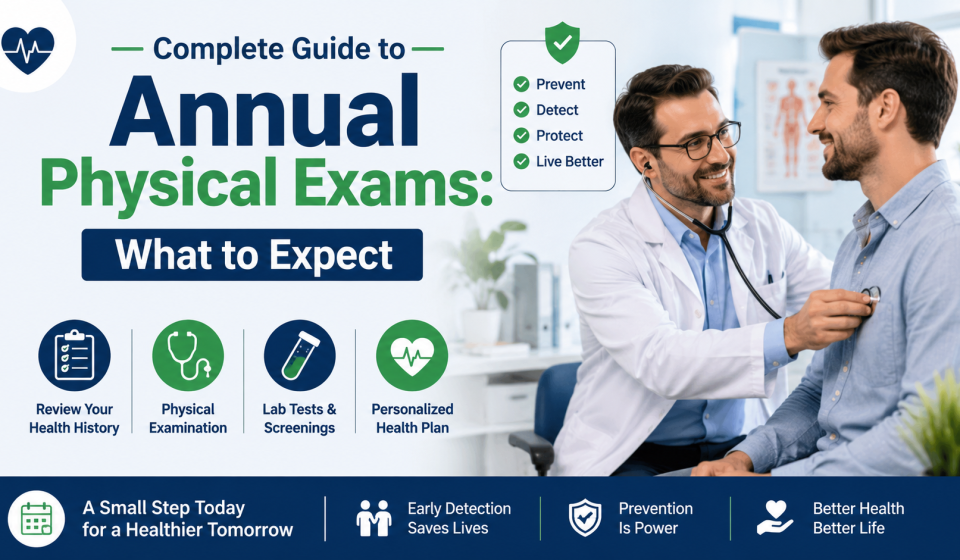

Complete Guide to Annual Physical Exams: What to Expect. Learn what happens during a yearly checkup, recommended screenings, common tests, preparation tips, benefits, FAQs, and preventive healthcare advice.
Annual physical exams are one of the simplest yet most effective ways to protect your health. While many people only visit a doctor when they feel sick, preventive healthcare focuses on identifying health issues before they become serious. A yearly physical examination helps your healthcare provider evaluate your overall well-being, monitor existing medical conditions, and detect potential health risks at an early stage.
Whether you’re a young adult, a working professional, or a senior citizen, scheduling an annual physical exam is a smart investment in your long-term health. These routine checkups allow doctors to assess your vital signs, discuss lifestyle habits, recommend necessary screenings, and provide personalized advice for maintaining a healthier life.
In today’s fast-paced world, chronic conditions such as diabetes, hypertension, obesity, and heart disease are becoming increasingly common. Many of these illnesses develop gradually without noticeable symptoms. An annual physical examination plays a crucial role in identifying these hidden conditions before they lead to complications.
This comprehensive guide explains everything you need to know about annual physical exams—from preparing for your appointment to understanding what happens during the examination and why regular health checkups are essential for every age group.
Table of Contents
- What Is an Annual Physical Exam?
- Why Annual Physical Exams Are Important
- Benefits of Routine Health Checkups
- Who Should Get an Annual Physical Exam?
- How to Prepare for Your Annual Physical Exam
- What to Bring to Your Appointment
- Questions Your Doctor May Ask
- What Happens Before the Physical Examination
- Lifestyle Assessment During the Visit
- Common Health Concerns Discussed
What Is an Annual Physical Exam?
An annual physical exam is a comprehensive health assessment performed by a healthcare provider once every year. Unlike appointments that focus on a specific illness or injury, an annual physical evaluates your overall health and helps identify potential medical issues before they become serious.
The examination usually includes:
- Review of your medical history
- Discussion of current medications
- Measurement of vital signs
- Physical examination
- Lifestyle assessment
- Preventive health recommendations
- Screening test recommendations
- Vaccination review
The primary goal is prevention rather than treatment.
Why Annual Physical Exams Are Important
Many serious diseases develop silently without causing symptoms during their early stages. Conditions like high blood pressure, high cholesterol, diabetes, and certain cancers may progress unnoticed for years.
Annual physical exams help doctors detect these conditions early when treatment is often more effective and less expensive.
Early Detection Saves Lives
Routine screenings can identify:
- High blood pressure
- High cholesterol
- Diabetes
- Kidney disease
- Liver problems
- Thyroid disorders
- Heart disease
- Some cancers
Finding these conditions early significantly improves treatment outcomes.
Better Disease Prevention
Your doctor evaluates risk factors such as:
- Family medical history
- Smoking
- Alcohol consumption
- Diet
- Exercise habits
- Weight
- Stress levels
- Sleep quality
Based on these factors, personalized recommendations can help reduce future health risks.
Establishing a Health Baseline
Annual exams create a record of your normal health measurements, including:
- Blood pressure
- Weight
- Heart rate
- Blood sugar
- Cholesterol
- Body Mass Index (BMI)
Tracking these values over time helps detect subtle changes that may indicate developing health issues.
Benefits of Routine Health Checkups
Regular physical exams offer advantages beyond simply identifying illnesses.
1. Prevention Is Better Than Cure
Preventive healthcare reduces the likelihood of severe diseases by addressing risk factors early.
Examples include:
- Lifestyle counseling
- Vaccinations
- Weight management
- Blood pressure control
- Diabetes prevention
- Smoking cessation
2. Improved Long-Term Health
People who receive regular preventive care are more likely to:
- Maintain healthy blood pressure
- Manage cholesterol levels
- Stay physically active
- Achieve healthier body weight
- Detect illnesses earlier
3. Better Management of Existing Conditions
If you already have conditions such as:
- Diabetes
- Asthma
- Arthritis
- Hypertension
- Thyroid disorders
Annual physical exams help monitor treatment effectiveness and make necessary medication adjustments.
4. Stronger Doctor-Patient Relationship
Seeing the same healthcare provider regularly allows them to:
- Understand your medical history
- Track changes over time
- Provide personalized advice
- Recognize warning signs earlier
This continuity often leads to better healthcare outcomes.
5. Reduced Healthcare Costs
Preventive care often reduces expensive emergency treatments by detecting problems before hospitalization becomes necessary.
Managing early-stage conditions usually costs significantly less than treating advanced diseases.
Who Should Get an Annual Physical Exam?
Almost everyone can benefit from yearly health checkups.
Children
Children require regular examinations to monitor:
- Growth
- Development
- Vaccinations
- Vision
- Hearing
Teenagers
Adolescents benefit from:
- Mental health screening
- Nutrition guidance
- Physical development assessment
- Sports physicals
- Immunization updates
Adults (18–39 Years)
Young adults should undergo annual evaluations for:
- Blood pressure
- Weight
- Lifestyle habits
- Mental health
- Vaccination status
Adults (40–64 Years)
As age increases, so does the risk of chronic diseases.
Doctors may recommend screenings for:
- Diabetes
- Cholesterol
- Heart disease
- Colon cancer
- Breast cancer
- Cervical cancer
- Prostate health
Seniors (65+ Years)
Older adults benefit from monitoring:
- Bone health
- Vision
- Hearing
- Memory
- Fall risk
- Medication interactions
- Heart health
How to Prepare for Your Annual Physical Exam
Proper preparation helps ensure an accurate and productive examination.
Schedule the Appointment Early
Morning appointments are often recommended because fasting blood tests can be completed before breakfast if required.
Know Your Family Medical History
Your doctor may ask about relatives with:
- Diabetes
- Heart disease
- Cancer
- Stroke
- High blood pressure
- Kidney disease
- Genetic disorders
Knowing this information helps determine your personal health risks.
List Your Medications
Bring a complete list of:
- Prescription medications
- Vitamins
- Herbal supplements
- Over-the-counter medicines
Include dosage and frequency whenever possible.
Record Your Symptoms
Even minor symptoms should be mentioned, such as:
- Fatigue
- Headaches
- Dizziness
- Digestive issues
- Sleep problems
- Joint pain
- Mood changes
These details may help identify underlying health concerns.
Avoid Certain Activities Before Blood Tests
If fasting blood work is required, your healthcare provider may ask you to avoid food and certain beverages for several hours before the appointment.
Follow all instructions carefully for accurate test results.
What to Bring to Your Appointment
Having the necessary information ready makes your visit smoother.
Bring:
- Government-issued ID
- Health insurance card (if applicable)
- Medication list
- Previous medical records
- Vaccination history
- Recent laboratory reports
- Specialist reports
- Glasses or hearing aids if you use them
You may also want to prepare a written list of questions for your doctor.
Questions Your Doctor May Ask
Your healthcare provider may discuss various aspects of your health, including:
Medical History
- Have you experienced any recent illnesses?
- Have you been hospitalized?
- Have you had surgery?
- Are you taking any medications?
Lifestyle
- How often do you exercise?
- What does your typical diet look like?
- Do you smoke?
- Do you drink alcohol?
- How many hours do you sleep?
Mental Health
Your doctor may ask about:
- Anxiety
- Depression
- Stress
- Mood changes
- Work-life balance
Mental health is an important part of overall wellness and is routinely included in preventive care discussions.
What Happens Before the Physical Examination?
Before the doctor begins the physical examination, a nurse or medical assistant typically records your basic health measurements.
These may include:
- Height
- Weight
- Body Mass Index (BMI)
- Blood pressure
- Heart rate
- Respiratory rate
- Temperature
- Oxygen saturation (when appropriate)
These measurements provide an overview of your current health and help identify any immediate concerns that may need further evaluation.
The Complete Physical Examination Process
After reviewing your medical history and recording your vital signs, your healthcare provider will perform a comprehensive physical examination. This assessment helps identify visible or physical signs of illness that may require further testing or treatment.
Although every examination is personalized based on your age, gender, medical history, and symptoms, most annual physical exams follow a similar head-to-toe approach.
Head-to-Toe Physical Examination
1. General Appearance
The doctor first observes your overall health, including:
- Body posture
- Mobility
- Skin color
- Level of alertness
- Signs of pain or discomfort
- Nutritional status
Even simple observations can provide valuable clues about your health.
2. Eyes Examination
Your eyes can reveal signs of various medical conditions.
The doctor may check:
- Vision (if needed)
- Pupil reaction to light
- Eye movement
- Signs of infection
- Yellowing of the eyes (which may indicate liver disease)
- Blood vessel changes related to diabetes or high blood pressure
3. Ears, Nose, and Throat (ENT)
Using specialized instruments, the doctor examines:
Ears
- Ear canal
- Earwax buildup
- Eardrum
- Hearing concerns
- Signs of infection
Nose
- Nasal passages
- Allergies
- Polyps
- Congestion
- Sinus tenderness
Mouth and Throat
The doctor checks:
- Teeth
- Gums
- Tongue
- Tonsils
- Oral ulcers
- Signs of infection
- Oral cancer risk factors
4. Neck Examination
The doctor evaluates:
- Thyroid gland
- Lymph nodes
- Neck mobility
- Blood vessels
- Swelling or lumps
An enlarged thyroid or swollen lymph nodes may indicate infections or other medical conditions.
5. Heart Examination
Heart health is one of the most important aspects of an annual physical exam.
Using a stethoscope, your doctor listens for:
- Heart rhythm
- Heart rate
- Murmurs
- Extra heart sounds
- Abnormal blood flow
Blood pressure measurements are also reviewed carefully.
6. Lung Examination
Your lungs are checked for:
- Normal breathing sounds
- Wheezing
- Crackles
- Reduced airflow
- Signs of infection
If breathing problems are suspected, additional testing may be recommended.
7. Abdominal Examination
The doctor gently examines your abdomen to assess:
- Liver
- Spleen
- Kidneys
- Intestinal activity
- Tenderness
- Swelling
- Hernias
Abnormal findings may require imaging or laboratory tests.
8. Skin Examination
The skin often reflects overall health.
Your doctor checks for:
- Rashes
- Moles
- Skin cancer warning signs
- Bruising
- Infections
- Dryness
- Changes in skin color
People with a family history of skin cancer may receive a more detailed examination.
9. Musculoskeletal Examination
The doctor evaluates:
- Joint flexibility
- Muscle strength
- Balance
- Walking pattern
- Range of motion
- Signs of arthritis
This is especially important for older adults and athletes.
10. Nervous System Assessment
Basic neurological evaluation may include checking:
- Reflexes
- Coordination
- Muscle strength
- Sensation
- Balance
- Memory
- Mental alertness
These tests help identify neurological disorders early.
Common Laboratory Tests During Annual Physical Exams
Not everyone requires the same laboratory tests. Recommendations depend on age, medical history, risk factors, and current health.
Some of the most common tests include:
Complete Blood Count (CBC)
A CBC helps detect:
- Anemia
- Infection
- Blood disorders
- Immune system abnormalities
It measures:
- Red blood cells
- White blood cells
- Hemoglobin
- Platelets
Blood Sugar Test
This test helps identify:
- Prediabetes
- Diabetes
- Blood sugar control
Common tests include:
- Fasting Blood Sugar
- HbA1c
People with obesity or a family history of diabetes may need testing more frequently.
Lipid Profile (Cholesterol Test)
This test measures:
- Total cholesterol
- LDL (“bad”) cholesterol
- HDL (“good”) cholesterol
- Triglycerides
Abnormal cholesterol levels increase the risk of heart disease and stroke.
Kidney Function Tests
These evaluate how well your kidneys are working by measuring:
- Creatinine
- Blood Urea Nitrogen (BUN)
- Estimated Glomerular Filtration Rate (eGFR)
Liver Function Tests
These tests assess liver health by measuring enzymes such as:
- ALT
- AST
- Bilirubin
- Alkaline phosphatase
Abnormal results may indicate liver disease or medication-related issues.
Thyroid Function Test
Doctors may recommend thyroid testing if you have symptoms like:
- Fatigue
- Weight changes
- Hair loss
- Cold intolerance
- Mood changes
The most common test is Thyroid Stimulating Hormone (TSH).
Urinalysis
A urine test can detect:
- Kidney disease
- Urinary tract infections
- Diabetes
- Protein leakage
- Blood in urine
Preventive Screenings
Annual physical exams often include recommendations for preventive screenings based on your age and risk factors.
Blood Pressure Screening
High blood pressure is known as the “silent killer” because it often causes no symptoms.
Routine monitoring helps prevent:
- Stroke
- Heart disease
- Kidney damage
Diabetes Screening
Adults with risk factors such as obesity, high blood pressure, or a family history of diabetes should undergo regular screening.
Early diagnosis helps prevent complications affecting the eyes, kidneys, nerves, and heart.
Cholesterol Screening
High cholesterol rarely causes symptoms.
Regular screening helps reduce the risk of:
- Heart attack
- Stroke
- Peripheral artery disease
Cancer Screenings
Your doctor may recommend screenings based on your age, sex, and family history.
Examples include:
Breast Cancer
- Mammogram
Cervical Cancer
- Pap smear
- HPV testing
Colorectal Cancer
- Stool-based tests
- Colonoscopy
Prostate Cancer
- PSA blood test (when appropriate)
Skin Cancer
- Full-body skin examination for individuals at higher risk
Vaccination Review
Annual checkups are also an opportunity to ensure your immunizations are up to date.
Your doctor may recommend vaccines such as:
- Influenza (Flu)
- COVID-19 boosters (if applicable)
- Tetanus, Diphtheria, and Pertussis (Td/Tdap)
- Shingles (for older adults)
- Pneumococcal vaccine
- Hepatitis vaccines
- HPV vaccine (based on age and eligibility)
Keeping vaccinations current helps protect both you and those around you.
Age-Specific Recommendations
Adults Ages 18–39
Healthcare providers often focus on:
- Healthy weight
- Physical activity
- Blood pressure
- Mental health
- Sexual health
- Vaccination updates
- Lifestyle counseling
Adults Ages 40–64
As the risk of chronic disease increases, additional attention is given to:
- Cholesterol monitoring
- Diabetes screening
- Heart disease prevention
- Cancer screenings
- Vision checks
- Hearing assessments
Adults Age 65 and Older
For seniors, annual exams often include:
- Bone density evaluation
- Fall risk assessment
- Memory screening
- Medication review
- Hearing evaluation
- Vision testing
- Nutritional assessment
- Functional mobility checks
Women’s Health During Annual Exams
Women may receive additional preventive care such as:
- Breast examination
- Pelvic examination (when indicated)
- Cervical cancer screening
- Pregnancy planning discussions
- Menopause counseling
- Osteoporosis risk assessment
These services are tailored to age and individual health needs.
Men’s Health During Annual Exams
For men, discussions may include:
- Prostate health
- Testicular health
- Heart disease prevention
- Testosterone-related symptoms (when appropriate)
- Lifestyle risk factors
Your doctor will recommend screenings based on your age, family history, and overall health.
Understanding Your Test Results
After your examination and laboratory tests, your healthcare provider will explain the findings.
Results generally fall into one of three categories:
Normal Results
These indicate that your measurements and test values are within expected ranges. Your doctor may encourage you to continue your current healthy habits and schedule your next annual exam.
Borderline Results
Some values may be slightly outside the normal range but not necessarily indicate disease. Examples include mildly elevated cholesterol or blood pressure. Lifestyle changes and follow-up testing may be recommended.
Abnormal Results
If a test shows significant abnormalities, your doctor may order additional investigations, prescribe treatment, or refer you to a specialist for further evaluation. Early action often leads to better outcomes.
What Happens After Your Annual Physical Exam?
Once your annual physical exam is complete, your healthcare provider will discuss the findings and explain any immediate concerns. If laboratory tests were ordered, some results may be available the same day, while others can take several days depending on the test.
Your doctor may:
- Review your physical examination findings
- Explain laboratory test results
- Discuss any abnormal values
- Recommend lifestyle changes
- Prescribe medications if necessary
- Schedule follow-up appointments
- Refer you to a specialist for further evaluation
Remember, an annual physical exam is not just about identifying illnesses—it is about creating a personalized plan to help you stay healthy throughout the year.
Follow-Up Care
Sometimes additional care is needed after your annual exam. Follow-up appointments allow your doctor to:
- Monitor blood pressure
- Recheck cholesterol levels
- Review blood sugar control
- Evaluate the effectiveness of medications
- Repeat abnormal laboratory tests
- Track weight loss or fitness progress
- Monitor chronic conditions
Never skip recommended follow-up visits, as they play an important role in long-term health management.
Healthy Habits to Maintain Between Annual Exams
An annual checkup is only one part of preventive healthcare. Your daily lifestyle choices have a major impact on your overall well-being.
1. Eat a Balanced Diet
A nutritious diet supports your immune system and lowers the risk of chronic diseases.
Include:
- Fresh fruits
- Vegetables
- Whole grains
- Lean protein
- Healthy fats
- Low-fat dairy products
Limit:
- Sugary drinks
- Processed foods
- Excess salt
- Saturated fats
- Trans fats
2. Exercise Regularly
Physical activity improves cardiovascular health, strengthens muscles, and supports mental well-being.
Aim for:
- At least 150 minutes of moderate-intensity exercise each week, or
- 75 minutes of vigorous exercise, plus
- Muscle-strengthening activities at least twice per week
Examples include:
- Walking
- Cycling
- Swimming
- Yoga
- Strength training
3. Get Enough Sleep
Adults generally need 7–9 hours of quality sleep each night.
Good sleep helps:
- Improve memory
- Strengthen immunity
- Regulate hormones
- Support heart health
- Reduce stress
4. Stay Hydrated
Water is essential for:
- Digestion
- Circulation
- Kidney function
- Temperature regulation
- Joint lubrication
Drink adequate fluids throughout the day, especially during hot weather or physical activity.
5. Manage Stress
Long-term stress can increase the risk of:
- Heart disease
- High blood pressure
- Anxiety
- Depression
- Sleep disorders
Healthy stress-management techniques include:
- Meditation
- Deep breathing exercises
- Physical activity
- Spending time with loved ones
- Hobbies and relaxation
6. Avoid Harmful Habits
Reduce your health risks by:
- Avoiding tobacco products
- Limiting alcohol consumption
- Never using recreational drugs
- Following prescribed medications correctly
7. Keep Vaccinations Up to Date
Routine immunizations help protect against preventable diseases. Ask your healthcare provider whether you need booster doses or age-specific vaccines.
Common Myths About Annual Physical Exams
Myth 1: “I’m Healthy, So I Don’t Need One.”
Fact: Many serious conditions, such as high blood pressure, diabetes, and high cholesterol, often develop without noticeable symptoms. Routine exams help detect these issues early.
Myth 2: “Physical Exams Are Only for Older Adults.”
Fact: Preventive care is important for every age group. Young adults also benefit from screenings, vaccinations, and lifestyle counseling.
Myth 3: “Annual Exams Always Include Every Medical Test.”
Fact: Your doctor recommends tests based on your age, medical history, family history, symptoms, and risk factors. Not everyone needs the same screenings.
Myth 4: “Physical Exams Take Too Long.”
Fact: Most routine annual physical exams are completed within 30 to 60 minutes, though additional testing may require more time.
Myth 5: “If My Blood Tests Are Normal, I’m Completely Healthy.”
Fact: Blood tests provide valuable information, but they do not detect every medical condition. Physical examinations, lifestyle discussions, mental health assessments, and appropriate screenings are equally important.
When Should You Schedule an Annual Physical Exam?
There is no universally “perfect” month, but it helps to choose a time when you are less likely to postpone the appointment.
Consider scheduling your exam:
- Around your birthday
- At the beginning of the year
- Before starting a new fitness program
- Before major life changes
- Before health insurance benefits reset (if applicable)
The most important factor is consistency—having your exam at roughly the same time each year.
Sources
https://l1nq.com/uqjw2o0
https://sl1nk.com/gpyactk
Final Thoughts
Annual physical exams are one of the most effective ways to stay proactive about your health. They provide an opportunity to detect diseases early, monitor ongoing health conditions, update vaccinations, and receive personalized advice for a healthier lifestyle.
Even if you feel perfectly healthy, many medical conditions can develop silently. A yearly checkup allows your healthcare provider to identify risks before they become serious, helping you avoid complications and maintain a better quality of life.
Frequently Asked Questions (FAQs)
1. What is included in an annual physical exam?
An annual physical exam typically includes a review of your medical history, vital signs (such as blood pressure and heart rate), a head-to-toe physical examination, lifestyle assessment, medication review, recommended screenings, and, when appropriate, laboratory tests like blood work or urinalysis.
2. Do I need to fast before an annual physical exam?
It depends on the tests your doctor orders. If fasting blood tests (such as glucose or cholesterol) are planned, you may be asked to avoid eating or drinking anything except water for 8–12 hours beforehand. Always follow your healthcare provider’s instructions.
3. How often should adults have a physical exam?
Most adults should have a routine physical exam once a year. However, individuals with chronic medical conditions or higher health risks may need more frequent checkups as advised by their doctor.
4. Are annual physical exams covered by insurance?
Many health insurance plans cover preventive annual physical exams, but coverage varies depending on the provider, country, and policy. It’s a good idea to check with your insurance company before your appointment.
5. Can an annual physical exam detect serious diseases?
Yes. Annual physical exams can help identify conditions such as high blood pressure, diabetes, high cholesterol, heart disease, thyroid disorders, kidney problems, and certain cancers at an early stage, when treatment is often more effective.