
Learn why early diagnosis is important for preventing serious illnesses, improving treatment outcomes, detecting disease early, and protecting long-term health.
Good health is not only about treating a disease after it becomes serious. It is also about recognizing health problems early and taking timely action before they develop into major complications. Early diagnosis plays an important role in modern healthcare because many diseases can begin silently, without producing obvious symptoms. By the time noticeable symptoms appear, a condition may already have progressed.
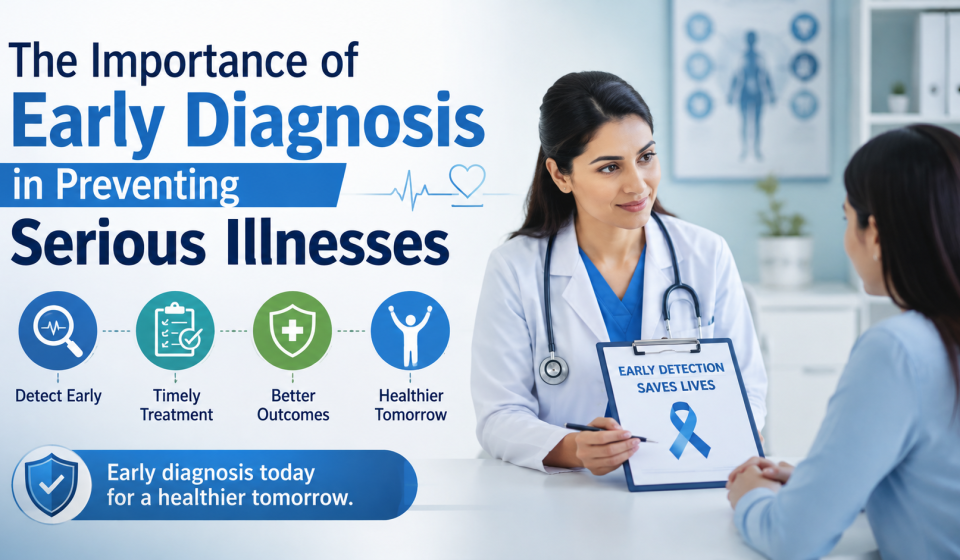
Early diagnosis means identifying a disease or health problem at an early stage through medical evaluation, appropriate tests, screenings, and recognition of warning signs. It can help doctors start treatment sooner, prevent complications, improve treatment outcomes, and in some cases save lives. The World Health Organization explains that early diagnosis is particularly important for cancer because detecting symptomatic cancer as early as possible can improve the chance of successful treatment.
Routine preventive healthcare can also help people identify health problems before they become severe. Regular checkups, appropriate screening tests, vaccinations, and discussions about family health history are important parts of preventive care.
This article explains why early diagnosis matters, which serious illnesses can benefit from early detection, common warning signs, useful health checks, and practical ways to make early diagnosis part of your healthcare routine.
What Is Early Diagnosis?
Early diagnosis is the process of identifying a disease or medical condition at an early stage, usually before it causes serious complications. It can begin when a person notices an unusual symptom and consults a healthcare professional or when a doctor identifies a possible health problem during a routine examination.
It is important to understand the difference between early diagnosis and screening.
Early diagnosis generally involves people who already have symptoms or signs that need medical evaluation. Screening, on the other hand, is performed in people who may have no symptoms, with the goal of identifying certain diseases at an early stage or detecting precancerous changes. The WHO emphasizes that screening is appropriate only for certain diseases and populations where evidence shows that its benefits outweigh potential harms.
Therefore, people should not assume that every available medical test is necessary. Screening decisions should depend on factors such as age, sex, family history, lifestyle, risk factors, and advice from a qualified healthcare professional.
Why Is Early Diagnosis So Important?
1. It Can Detect Disease Before It Becomes Severe
Many serious illnesses develop gradually. In their early stages, they may produce mild or no noticeable symptoms. Early diagnosis gives healthcare professionals an opportunity to identify the problem before it causes extensive damage.
For example, certain cancers can be detected through appropriate screening before symptoms develop. Screening for breast, cervical, colorectal, and certain high-risk lung cancers can help identify disease earlier, when treatment may be more effective.
Early detection does not guarantee a cure, but it can create a better opportunity for timely treatment.
2. It Can Improve Treatment Outcomes
Treatment is often more effective when a disease is diagnosed before it has progressed significantly.
When a condition is discovered early, doctors may have more treatment options available. Depending on the disease, early treatment may involve lifestyle changes, medicines, monitoring, minimally invasive procedures, or other therapies.
The WHO notes that early cancer diagnosis can increase the likelihood of successful treatment and may reduce morbidity and treatment-related costs.
3. It Can Help Prevent Complications
Some diseases can cause additional health problems when they remain untreated.
For example, uncontrolled high blood pressure can increase the risk of cardiovascular and kidney problems. Diabetes can affect the eyes, kidneys, nerves, heart, and blood vessels when it is poorly controlled. Identifying these conditions early allows healthcare professionals to recommend appropriate management and monitoring.
Early diagnosis therefore isn’t only about finding a disease. It is also about preventing the disease from causing additional damage.
4. It Can Reduce Treatment Delays
A major problem with serious illness is delayed diagnosis. People may ignore symptoms because they are busy, afraid of receiving bad news, or assume that the symptoms are temporary.
However, delaying medical evaluation can allow certain conditions to progress.
The WHO states that delays in cancer diagnosis and treatment can reduce the chance of successful outcomes and may increase complications and healthcare costs.
Seeking medical advice when unusual symptoms persist is therefore an important part of protecting your health.
5. It Can Support Better Quality of Life
Early management can sometimes prevent a condition from interfering significantly with everyday activities.
When a disease is identified and managed at an early stage, people may be able to continue their normal work, family responsibilities, physical activity, and social life more comfortably.
The exact benefit depends on the disease, its severity, the individual’s overall health, and how quickly effective treatment begins.
Serious Illnesses That May Benefit From Early Detection
Early diagnosis can be useful for many health conditions. However, the appropriate tests and screening schedules differ from person to person.
Cancer
Cancer is one of the most important examples of why early diagnosis matters.
Some cancers can be detected through recommended screening tests before symptoms appear. For example, screening can help detect breast, cervical, colorectal, and certain lung cancers early. Colorectal screening can also identify precancerous polyps that may be removed before they develop into cancer.
However, cancer screening is not the same for everyone. Age, family history, personal risk factors, and other circumstances can influence whether screening is appropriate.
Heart Disease
Heart disease can sometimes develop over years without obvious symptoms. Risk factors such as high blood pressure, high cholesterol, diabetes, smoking, obesity, physical inactivity, and family history can increase cardiovascular risk.
Regular health evaluations can help identify some of these risk factors. Once recognized, they can be addressed through lifestyle changes and, when appropriate, medication.
Chest pressure, unexplained shortness of breath, fainting, sudden weakness, or other concerning symptoms should not be ignored.
Diabetes
Type 2 diabetes can develop gradually, and some people may not realize they have elevated blood glucose levels.
Appropriate blood glucose testing can help identify diabetes or prediabetes in people who are at risk. Early recognition gives people an opportunity to make dietary, physical activity, weight-management, and medical changes that may help control blood glucose.
People with risk factors should discuss appropriate testing with a healthcare professional.
High Blood Pressure
High blood pressure is often called a “silent” condition because many people do not experience obvious symptoms.
Regular blood pressure measurements can identify elevated readings. If hypertension is confirmed, appropriate management can help reduce the risk of serious cardiovascular and kidney complications.
Because one abnormal reading does not necessarily establish a diagnosis, healthcare professionals may recommend repeat measurements or additional monitoring.
Kidney Disease
Kidney problems may develop without obvious symptoms, especially during the early stages.
People with conditions such as diabetes or hypertension may have a higher risk of kidney disease. Depending on individual risk, healthcare professionals may recommend blood or urine tests to evaluate kidney function.
Early identification can allow appropriate management and monitoring before kidney function becomes severely impaired.
Some Respiratory Diseases
Persistent coughing, unexplained breathlessness, wheezing, chest discomfort, or repeated respiratory problems should be evaluated rather than ignored.
For people at particularly high risk of lung cancer, specific screening may be recommended. The CDC currently identifies low-dose CT as the recommended lung cancer screening test for eligible high-risk adults based on age and smoking history.
Common Warning Signs You Should Not Ignore
Not every unusual symptom indicates a serious illness. However, persistent, unexplained, worsening, or unusual symptoms deserve appropriate medical attention.
Some warning signs that may require evaluation include:
- Unexplained weight loss
- Persistent fatigue
- A lump or unusual swelling
- Unexplained bleeding
- Persistent cough
- Difficulty breathing
- Repeated or unexplained fever
- Changes in bowel or bladder habits
- Persistent abdominal discomfort
- Difficulty swallowing
- Changes in a mole or skin lesion
- Persistent headaches or neurological changes
- Chest pain or pressure
- Recurrent dizziness or fainting
These symptoms can have many different causes, including conditions that are not serious. The important point is not to self-diagnose but to seek appropriate medical evaluation when symptoms persist or are concerning.
The Role of Regular Health Checkups
Regular health checkups provide an opportunity to discuss health risks even when you feel healthy.
A preventive visit may include a review of:
- Blood pressure
- Weight and body mass index
- Family medical history
- Lifestyle habits
- Vaccination status
- Mental and emotional well-being
- Appropriate laboratory tests
- Age- and risk-based screening
- Existing medical conditions
- Medications and supplements
The CDC recommends routine preventive care because screening tests can help detect certain diseases early, while vaccinations and health counseling can help prevent illness.
However, a “routine checkup” does not mean every person needs the same set of tests. Medical recommendations should be individualized.
Understanding the Importance of Family Health History
Family health history can provide useful information about a person’s risk of certain diseases.
If close relatives have experienced conditions such as heart disease, diabetes, certain cancers, or other inherited conditions, it may be important to tell your healthcare professional.
A family history does not mean that you will definitely develop the same disease. However, it may influence decisions about prevention, screening, and monitoring.
The CDC recommends knowing your family health history and sharing relevant information with your healthcare professional because it can help identify risks and guide preventive care.
Healthy Lifestyle and Early Diagnosis Work Together
Early diagnosis should not be considered a replacement for healthy living.
A balanced approach combines prevention, healthy habits, regular healthcare, and timely medical evaluation.
Important lifestyle practices include:
Eat a Balanced Diet
Choose a variety of vegetables, fruits, whole grains, legumes, and other nutritious foods. Limit excessive intake of highly processed foods, added sugars, and unhealthy fats.
Stay Physically Active
Regular physical activity supports cardiovascular health, healthy body weight, metabolic health, and overall well-being.
Avoid Tobacco
Tobacco use increases the risk of several serious diseases, including cancer and cardiovascular and respiratory diseases. Avoiding tobacco is one of the most important preventive health measures.
Maintain a Healthy Weight
Maintaining a healthy weight can reduce the risk of several chronic conditions. Weight management should focus on sustainable eating habits and physical activity rather than extreme diets.
Get Appropriate Vaccinations
Vaccination can help prevent certain infections and their complications. Keeping vaccinations up to date is an important part of preventive healthcare.
Get Enough Sleep
Adequate, consistent sleep supports physical and mental health. Persistent sleep problems should be discussed with a healthcare professional when they affect daily life.
Manage Stress
Long-term stress can negatively affect overall well-being. Relaxation techniques, physical activity, social support, hobbies, and professional help when necessary can all be useful.
Do Not Rely Only on Symptoms
One of the biggest misconceptions about serious illness is that a person will always feel something is wrong.
Some diseases can remain silent for a long time. High blood pressure and early-stage metabolic conditions, for example, may not produce obvious symptoms.
That is why preventive care matters even when you feel completely healthy.
At the same time, people should not undergo unnecessary tests simply because they are worried. Screening has potential benefits but can also produce false-positive results, unnecessary follow-up procedures, anxiety, and overdiagnosis.
The best approach is risk-based healthcare: discuss your age, medical history, family history, lifestyle, symptoms, and personal risk factors with a qualified healthcare professional.
How to Make Early Diagnosis Part of Your Routine
You can take several practical steps to make early detection easier:
- Schedule regular preventive healthcare visits.
- Know your family medical history.
- Keep track of important health measurements when appropriate.
- Follow recommended screening schedules for your age and risk level.
- Do not ignore persistent or unusual symptoms.
- Keep vaccinations up to date.
- Tell your doctor about new medications, supplements, or major lifestyle changes.
- Avoid tobacco and other major health risks.
- Maintain a healthy diet and regular physical activity.
- Follow up promptly when a healthcare professional recommends additional testing.
Early Diagnosis Is Not the Same as Self-Diagnosis
The availability of health information online can be helpful, but it can also create confusion.
Searching symptoms on the internet may produce many possible conditions, ranging from minor problems to serious diseases. This can lead to unnecessary anxiety or false reassurance.
A proper diagnosis usually requires a healthcare professional to consider symptoms, medical history, physical examination, and appropriate diagnostic tests.
Therefore, online information should be used for education—not as a replacement for professional medical evaluation.
When Should You Talk to a Doctor?
You should consider contacting a healthcare professional when a symptom is:
- Persistent or getting worse
- Unexplained
- Interfering with daily activities
- Repeatedly returning
- Associated with significant pain
- Accompanied by unexplained weight loss or bleeding
- New and unusual for you
- Concerning because of your personal or family medical history
Certain symptoms can require urgent medical attention. For example, severe chest pain, significant difficulty breathing, sudden weakness, loss of consciousness, or other potentially life-threatening symptoms should be treated as an emergency rather than waiting for a routine appointment.
Sources
https://sl1nk.com/4i8v0sz
https://sl1nk.com/h3i5rta
Conclusion
Early diagnosis is one of the most valuable principles of preventive healthcare. Finding a disease or health problem early can create opportunities for timely treatment, reduce the risk of complications, and potentially improve long-term outcomes.
Regular checkups, appropriate screening, awareness of warning signs, knowledge of family health history, and healthy lifestyle choices all contribute to better health management. The CDC notes that routine preventive care can help identify health problems early, while the WHO emphasizes the importance of timely diagnosis and treatment, particularly for cancer.
However, early diagnosis does not mean undergoing every available medical test. Screening should be appropriate for the individual and based on evidence, age, risk factors, and professional medical guidance.
The most important message is simple: do not wait for a health problem to become serious before taking action. Pay attention to your body, maintain regular preventive care, and discuss concerns with a qualified healthcare professional. Early attention today can make a meaningful difference to your health tomorrow.
Frequently Asked Questions (FAQs)
1. What is the importance of early diagnosis?
Early diagnosis helps identify diseases or health conditions at an earlier stage. This can allow treatment to begin sooner, reduce the possibility of complications, and sometimes improve treatment outcomes. The benefits depend on the specific disease and the individual’s circumstances.
2. Can early diagnosis prevent serious illness?
Early diagnosis does not prevent every disease, but it can help prevent some conditions from becoming more serious by allowing timely treatment and management. Certain screening programs can also identify precancerous changes before cancer develops, such as some colorectal polyps.
3. What health checks are important for early detection?
The appropriate health checks vary by age, sex, medical history, family history, and risk factors. Depending on the individual, they may include blood pressure measurement, blood glucose testing, cholesterol evaluation, cancer screening, and other assessments recommended by a healthcare professional.
4. Is screening the same as early diagnosis?
No. Screening generally looks for certain diseases in people who may not have symptoms, while early diagnosis usually involves evaluating people who have symptoms or signs of disease. WHO considers screening and early diagnosis related but distinct approaches.
5. How can I improve my chances of detecting illness early?
Maintain regular preventive healthcare visits, know your family health history, follow appropriate screening recommendations, maintain healthy lifestyle habits, and seek medical advice when unusual or persistent symptoms appear. Avoiding tobacco and staying up to date with recommended vaccinations can also contribute to disease prevention.