
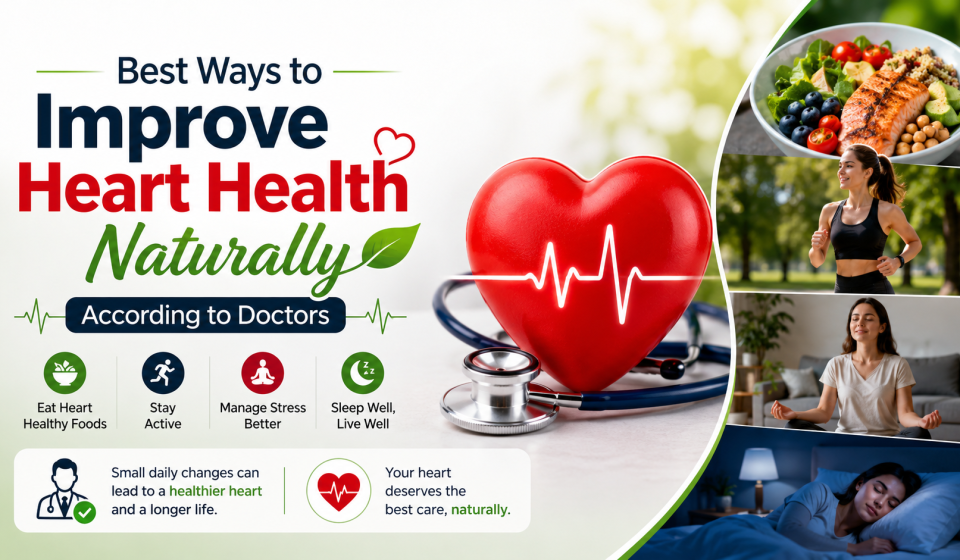

Discover the best ways to improve heart health naturally according to doctors, including healthy diet, exercise, sleep, stress management, weight control, and lifestyle tips.
The heart is one of the most important organs in the human body. It continuously pumps blood, oxygen, and nutrients throughout the body, making healthy heart function essential for overall well-being. The good news is that many everyday lifestyle choices can support cardiovascular health naturally.
According to the American Heart Association (AHA), cardiovascular health is influenced by several important factors, including healthy eating, physical activity, avoiding nicotine, getting enough sleep, maintaining a healthy weight, and managing blood pressure, cholesterol, and blood sugar. These factors are included in the AHA’s Life’s Essential 8 framework.
Improving heart health does not necessarily mean following complicated diets or extreme workout routines. Small, consistent changes in your daily lifestyle can make a meaningful difference over time.
In this article, we will discuss the best ways to improve heart health naturally according to doctors, including practical tips that can be incorporated into everyday life.
Why Is Heart Health Important?
Heart health affects almost every part of the body. A healthy heart helps maintain proper blood circulation and supplies oxygen and nutrients to organs and tissues.
Poor cardiovascular health can increase the risk of conditions such as:
- High blood pressure
- High cholesterol
- Heart attack
- Stroke
- Coronary artery disease
- Heart failure
- Other cardiovascular complications
The Centers for Disease Control and Prevention (CDC) notes that healthy lifestyle habits can help keep blood pressure, cholesterol, and blood sugar at healthier levels and reduce the risk of heart disease and heart attack.
This is why heart health should be considered a long-term priority rather than something to focus on only after symptoms appear.
1. Eat a Heart-Healthy Diet
One of the most effective natural ways to improve heart health is to make better food choices.
Doctors and health organizations generally recommend an eating pattern rich in vegetables, fruits, whole grains, beans, legumes, nuts, seeds, and lean sources of protein. The AHA recommends focusing on an overall healthy eating pattern rather than relying on individual “superfoods.”
Foods that can support heart health include:
- Fresh fruits and vegetables
- Oats and other whole grains
- Brown rice
- Whole-wheat foods
- Beans and lentils
- Nuts and seeds
- Fish and seafood
- Lean poultry
- Low-fat dairy products
- Healthy plant-based oils
At the same time, try to reduce highly processed foods, excessive salt, sugary drinks, processed meats, and foods high in saturated and trans fats.
A heart-friendly plate can include vegetables, whole grains, a source of lean protein, and a moderate amount of healthy fat.
2. Incrase Your Daily Physical Activity
Regular physical activity is another major component of good cardiovascular health.
You do not necessarily need an expensive gym membership to become more active. Walking, cycling, swimming, dancing, gardening, and other forms of movement can contribute to physical fitness.
The AHA recommends that adults aim for at least 150 minutes of moderate-intensity aerobic activity per week, or 75 minutes of vigorous activity, along with muscle-strengthening activities at least twice a week.
Simple ways to become more active:
- Take a brisk walk every day.
- Use stairs instead of elevators when practical.
- Walk for a few minutes after meals.
- Take regular breaks from prolonged sitting.
- Try cycling or swimming.
- Do simple strength exercises at home.
- Spend more time doing active household tasks.
If you are currently inactive, start slowly and gradually increase your activity level.
3. Maintain a Healthy Weight
Maintaining a healthy weight can reduce unnecessary stress on the heart and blood vessels.
Excess body weight is associated with a higher risk of several cardiovascular risk factors, including high blood pressure, abnormal cholesterol, and blood sugar problems. The CDC recommends maintaining a healthy weight as part of heart disease prevention.
However, weight management should not be about crash diets or extreme calorie restriction.
Instead, focus on sustainable habits:
- Eat balanced meals.
- Control portion sizes.
- Reduce sugary beverages.
- Choose whole foods more often.
- Stay physically active.
- Get enough sleep.
- Avoid frequent overeating.
Even gradual lifestyle improvements can be more sustainable than attempting dramatic changes overnight.
4. Keep Blood Pressure Under Control
High blood pressure is one of the major risk factors for cardiovascular disease. The problem is that it often does not cause obvious symptoms, which is why it is sometimes called a “silent” condition.
Regularly checking your blood pressure can help you understand your cardiovascular health.
Lifestyle measures that may support healthy blood pressure include:
- Eating less sodium.
- Eating more fruits and vegetables.
- Exercising regularly.
- Maintaining a healthy weight.
- Getting adequate sleep.
- Managing stress.
- Avoiding tobacco.
- Following prescribed treatment when necessary.
The AHA lists blood pressure as one of the eight major measures of cardiovascular health.
If you already have high blood pressure, do not stop prescribed medication simply because you are making lifestyle changes. Discuss any treatment changes with your doctor.
5. Manage Cholesterol Naturally
Cholesterol plays an important role in the body, but unhealthy cholesterol levels can increase cardiovascular risk.
A heart-friendly diet can help support healthier cholesterol levels. The AHA recommends emphasizing vegetables, fruits, whole grains, beans, nuts, lean proteins, fish and seafood while limiting highly processed foods, processed meats, sugary foods, and excessive saturated fats.
Try these habits:
- Eat more fiber-rich foods.
- Choose whole grains instead of refined grains.
- Include beans and lentils in meals.
- Eat nuts in appropriate portions.
- Choose healthier cooking oils.
- Reduce processed and fatty meats.
- Limit foods high in saturated fats.
A simple blood test can help your healthcare professional evaluate your cholesterol levels and cardiovascular risk.
6. Quit Smoking and Avoid Tobacco
If you smoke, quitting is one of the most important steps you can take for your heart.
Smoking significantly increases cardiovascular risk. The CDC states that quitting smoking lowers the risk of heart disease and other serious health problems.
Avoiding tobacco also means reducing exposure to secondhand smoke whenever possible.
If quitting is difficult, do not consider it a failure. Nicotine dependence can make quitting challenging, and healthcare professionals can provide appropriate support and treatment options.
The important thing is to keep trying and seek professional help when needed.
7. Get Enough Quality Sleep
Sleep is sometimes overlooked when people talk about heart health, but it is an important part of cardiovascular wellness.
The AHA includes healthy sleep among its Life’s Essential 8 measures. Most adults generally need around 7–9 hours of sleep per night.
Improve your sleep routine by:
- Going to bed at a consistent time.
- Waking up at a consistent time.
- Limiting excessive screen use before bed.
- Keeping your bedroom comfortable and quiet.
- Avoiding heavy meals close to bedtime.
- Limiting caffeine late in the day.
- Creating a relaxing bedtime routine.
Persistent sleep problems should be discussed with a healthcare professional, particularly if you frequently wake up gasping, snore heavily, or feel excessively tired during the day.
8. Reduce Excess Salt
Eating too much sodium can contribute to increased blood pressure in some people.
The CDC recommends limiting salt as part of heart disease prevention because reducing sodium intake can help lower blood pressure.
A large amount of sodium can come from packaged and processed foods rather than only from the salt shaker.
To reduce sodium:
- Read nutrition labels.
- Reduce packaged snacks.
- Limit processed meats.
- Choose fresh foods more often.
- Avoid adding excessive salt to meals.
- Use herbs and spices to add flavor.
You do not have to completely eliminate salt from your diet unless specifically advised by your healthcare professional.
9. Eat More Fiber-Rich Foods
Dietary fiber can be an important part of a heart-friendly eating pattern.
Foods such as oats, beans, lentils, fruits, vegetables, whole grains, nuts, and seeds provide fiber along with other nutrients.
Replacing highly refined foods with fiber-rich whole foods can also help improve overall diet quality.
For example, instead of choosing a highly processed snack, consider:
- Fruit with nuts
- Oatmeal
- Roasted chickpeas
- Vegetable snacks
- Whole-grain foods
- Beans or lentils
A varied diet is generally more useful than depending on one specific food.
10. Manage Stress
Long-term stress can affect sleep, eating habits, physical activity, and other behaviors that influence cardiovascular health.
Stress management does not require complicated techniques. Different approaches work for different people.
You can try:
- Deep breathing exercises
- Meditation
- Yoga
- Walking outdoors
- Listening to relaxing music
- Spending time with family and friends
- Reading
- Practicing hobbies
- Maintaining a regular sleep schedule
The goal is not to eliminate every stressful situation but to develop healthier ways of responding to everyday stress.
11. Limit Alcohol
Alcohol should not be viewed as a necessary part of a heart-healthy lifestyle.
The CDC notes that drinking less alcohol may help lower or prevent high blood pressure.
If you drink alcohol, discuss your consumption with your healthcare professional, particularly if you have high blood pressure, heart disease, liver disease, take certain medications, or have other health concerns.
Do not start drinking alcohol for the purpose of improving heart health.
12. Stay Hydrated
Water is essential for normal body functions, and choosing water instead of sugary beverages can support a healthier overall diet.
Try to make water your primary beverage and reduce frequent consumption of:
- Sugary soft drinks
- Sweetened energy drinks
- Excessively sweetened beverages
Individual fluid needs can vary based on factors such as climate, activity level, age, and medical conditions.
13. Monitor Blood Sugar
High blood sugar over time can affect cardiovascular health.
The AHA identifies blood glucose as one of the key health factors in cardiovascular health.
To support healthy blood sugar levels:
- Eat balanced meals.
- Choose high-fiber foods.
- Stay physically active.
- Limit excessive added sugar.
- Maintain a healthy weight.
- Get adequate sleep.
- Follow medical advice if you have diabetes or prediabetes.
If you have diabetes or prediabetes, regular medical monitoring is important.
14. Do Not Ignore Regular Health Checkups
Healthy habits are important, but they should work alongside appropriate medical care.
Regular checkups can help identify cardiovascular risk factors such as:
- High blood pressure
- High cholesterol
- High blood sugar
- Excess weight
- Other health conditions
Some risk factors may not produce noticeable symptoms. This is why knowing your numbers can be useful.
Your doctor can determine which screenings and tests are appropriate based on your age, medical history, family history, and individual risk factors.
15. Build Healthy Habits Gradually
One of the biggest mistakes people make is trying to change everything at once.
Instead, focus on small, realistic improvements.
For example:
Week 1: Start walking for 20–30 minutes most days.
Week 2: Add an extra serving of vegetables to your daily meals.
Week 3: Replace sugary drinks with water more often.
Week 4: Establish a consistent bedtime routine.
Once these habits become comfortable, continue building on them.
Consistency is generally more sustainable than extreme short-term efforts.
A Simple Daily Heart-Healthy Routine
A heart-friendly day could look like this:
Morning
- Drink water after waking up.
- Eat a balanced breakfast.
- Take a short walk or do light exercise.
Afternoon
- Choose a meal containing vegetables, whole grains, and lean protein.
- Avoid excessive processed snacks.
- Take short movement breaks if you work at a desk.
Evening
- Eat a moderate, balanced dinner.
- Take a relaxed walk if appropriate.
- Practice a stress-relieving activity.
- Reduce screen exposure before bedtime.
Night
- Maintain a consistent sleep schedule.
- Aim for approximately 7–9 hours of sleep.
This routine is only a general example. People with medical conditions may need a personalized plan from their healthcare professional.
When Should You Talk to a Doctor?
Lifestyle changes can support cardiovascular health, but they are not a substitute for medical care when symptoms or risk factors are present.
Seek urgent medical attention if you experience symptoms such as:
- Severe or persistent chest pain or pressure
- Difficulty breathing
- Sudden weakness or numbness
- Fainting
- Severe dizziness
- Pain spreading to the arm, jaw, back, or shoulder
- Other sudden or concerning symptoms
Do not attempt to treat potentially serious heart symptoms only with home remedies.
Sources
CDC – Preventing Heart Disease
American Heart Association – Life’s Essential 8
Conclusion
Improving heart health naturally is mainly about building sustainable daily habits. You do not need to completely transform your lifestyle overnight. Start with simple changes such as eating more vegetables and whole foods, walking regularly, reducing processed foods and excess salt, maintaining a healthy weight, getting enough sleep, managing stress, and avoiding tobacco.
The American Heart Association’s Life’s Essential 8 provides a useful framework that includes diet, physical activity, nicotine exposure, sleep, weight, cholesterol, blood sugar, and blood pressure.
The most important point is consistency. Small healthy choices repeated every day can contribute to better cardiovascular health over time. If you have existing heart disease, high blood pressure, diabetes, high cholesterol, or other medical conditions, work with your healthcare professional to create a personalized plan.
FAQs
1. What is the best natural way to improve heart health?
There is no single magic solution. A combination of regular physical activity, a balanced diet, healthy weight management, adequate sleep, avoiding tobacco, and controlling blood pressure, cholesterol, and blood sugar provides the strongest overall approach.
2. Can walking improve heart health?
Yes. Regular brisk walking is a form of moderate aerobic activity and can contribute to cardiovascular fitness. The AHA recommends at least 150 minutes of moderate-intensity aerobic activity each week for adults.
3. Which foods are best for heart health?
Vegetables, fruits, whole grains, beans, lentils, nuts, seeds, fish, seafood, and lean protein can be part of a heart-healthy eating pattern. It is also helpful to limit highly processed foods, excess sodium, sugary drinks, and foods high in saturated and trans fats.
4. How many hours should adults sleep for better heart health?
Most adults should aim for around 7–9 hours of sleep each night. Healthy sleep is one of the AHA’s Life’s Essential 8 cardiovascular health measures.
5. Can lifestyle changes replace heart medications?
Not always. Lifestyle changes can improve cardiovascular risk factors, but some people still require medication for conditions such as high blood pressure, high cholesterol, or heart disease. Never stop or change prescribed medication without discussing it with your doctor.