
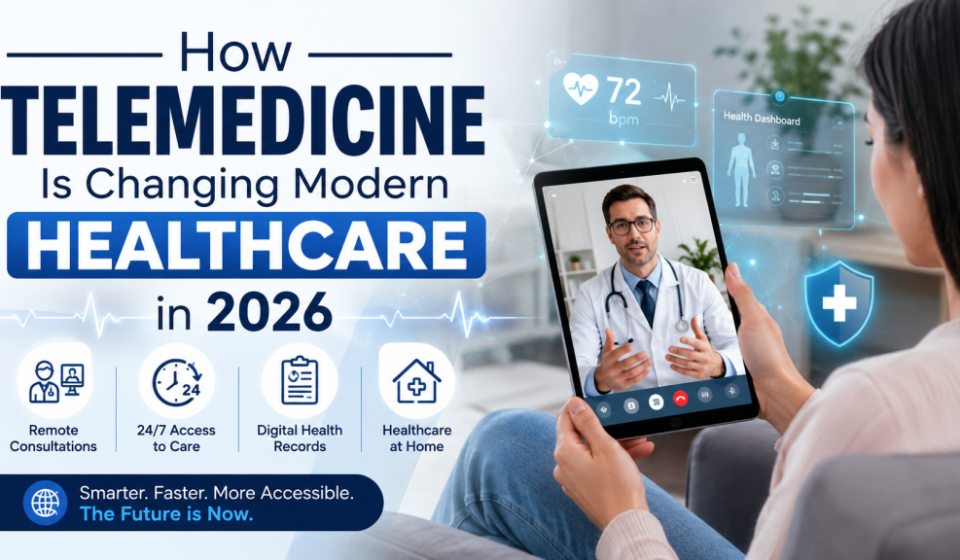

Discover how telemedicine is changing modern healthcare in 2026. Learn about its benefits, challenges, AI integration, remote patient monitoring, and the future of virtual healthcare in this comprehensive guide.
Healthcare has undergone a remarkable transformation over the past decade, and telemedicine has become one of the most influential innovations driving this change. In 2026, virtual healthcare is no longer considered a temporary alternative—it has become an essential part of modern medical practice.
Patients can now consult doctors from their homes, receive prescriptions digitally, monitor chronic diseases remotely, and even access specialists located hundreds of miles away. Combined with artificial intelligence (AI), wearable technology, cloud computing, and electronic health records, telemedicine is making healthcare faster, more affordable, and significantly more accessible.
Whether you live in a busy city or a remote village, telemedicine is bridging healthcare gaps and creating better health outcomes for millions of people worldwide.
What Is Telemedicine?
Telemedicine refers to the delivery of healthcare services using digital communication technologies. Instead of visiting a hospital or clinic physically, patients can communicate with healthcare professionals through:
- Video consultations
- Voice calls
- Secure messaging
- Mobile healthcare apps
- Remote monitoring devices
- AI-powered symptom checkers
Doctors can diagnose common illnesses, review reports, prescribe medications, provide follow-up consultations, and monitor chronic diseases without requiring patients to travel.
The Evolution of Telemedicine
Telemedicine began as a simple method of providing healthcare to people living in remote areas. Initially, doctors relied on telephone consultations and basic video conferencing.
Today, in 2026, telemedicine has evolved into an intelligent digital healthcare ecosystem powered by:
- Artificial Intelligence
- Internet of Medical Things (IoMT)
- Wearable health devices
- Cloud-based medical records
- 5G connectivity
- Digital prescriptions
- Machine learning
- Remote diagnostics
Healthcare providers can now monitor patients continuously rather than only during hospital visits.
Why Telemedicine Is Growing Rapidly in 2026
Several technological and social changes have accelerated telemedicine adoption.
1. Better Internet Connectivity
High-speed internet and widespread 5G coverage allow seamless HD video consultations with minimal interruptions.
2. Rising Healthcare Costs
Virtual consultations are generally more affordable than in-person visits, reducing transportation, hospital, and administrative expenses.
3. Increased Smartphone Usage
Millions of patients now use healthcare apps for appointments, prescriptions, lab reports, and consultations directly from their smartphones.
4. Aging Population
Older adults require regular medical monitoring. Telemedicine helps reduce unnecessary hospital visits while ensuring continuous care.
5. Demand for Convenience
Patients increasingly prefer receiving medical advice without spending hours traveling or waiting in hospitals.
Types of Telemedicine Services
Live Video Consultation
Patients meet doctors through secure video platforms in real time.
Best for:
- General medicine
- Pediatrics
- Mental health
- Dermatology
- Nutrition counseling
Remote Patient Monitoring (RPM)
Doctors monitor patients using smart medical devices.
Examples include:
- Blood pressure monitors
- Glucose meters
- ECG devices
- Smartwatches
- Pulse oximeters
Health data is automatically transmitted to healthcare providers.
Store-and-Forward Telemedicine
Medical reports, X-rays, CT scans, MRIs, and laboratory results are securely shared with specialists for review.
This approach is widely used in:
- Radiology
- Dermatology
- Ophthalmology
- Pathology
Mobile Health (mHealth)
Healthcare services delivered through mobile applications include:
- Medication reminders
- Health education
- Appointment scheduling
- Fitness tracking
- Mental wellness programs
Top Benefits of Telemedicine in 2026
1. Improved Access to Healthcare
Patients living in rural and underserved areas can consult specialists without traveling long distances.
2. Reduced Waiting Time
Appointments can often be scheduled within hours rather than weeks.
3. Lower Healthcare Costs
Telemedicine helps reduce:
- Travel expenses
- Hospital admissions
- Emergency visits
- Missed workdays
4. Better Chronic Disease Management
Patients with conditions such as:
- Diabetes
- Hypertension
- Heart disease
- COPD
can be monitored continuously using wearable devices.
5. Faster Specialist Consultations
Patients can quickly obtain second opinions from specialists across different cities or countries.
6. Improved Mental Health Services
Virtual therapy sessions have made counseling more accessible for people facing:
- Anxiety
- Depression
- Stress
- PTSD
7. Reduced Risk of Infections
Telemedicine minimizes unnecessary hospital visits, reducing exposure to contagious diseases.
8. Enhanced Patient Engagement
Patients become more involved in their healthcare through:
- Health apps
- Wearable devices
- Regular follow-ups
- Personalized care plans
Artificial Intelligence Is Transforming Telemedicine
AI is making virtual healthcare smarter than ever.
AI Symptom Checkers
Patients receive preliminary assessments before meeting a doctor.
Clinical Decision Support
AI assists physicians by analyzing:
- Medical history
- Lab reports
- Imaging
- Drug interactions
Predictive Healthcare
Machine learning algorithms identify patients at risk of complications before symptoms become severe.
Medical Chatbots
Healthcare chatbots answer common medical questions, schedule appointments, and remind patients about medications.
Remote Patient Monitoring Is Revolutionizing Healthcare
Remote monitoring allows healthcare providers to receive real-time patient data.
Common devices include:
- Smart blood pressure monitors
- Smart insulin pumps
- Continuous glucose monitors
- Wearable ECG monitors
- Smart inhalers
- Sleep monitoring devices
Doctors receive alerts if abnormal readings occur, allowing earlier intervention.
Telemedicine Across Medical Specialties
Primary Care
Routine illnesses, infections, allergies, and follow-up appointments are easily managed virtually.
Cardiology
Heart patients can send ECG readings directly to specialists.
Dermatology
Patients upload skin images for diagnosis without clinic visits.
Psychiatry
Mental healthcare has become one of the fastest-growing telemedicine sectors.
Pediatrics
Parents can consult pediatricians quickly for non-emergency illnesses.
Endocrinology
Diabetes management has significantly improved through remote glucose monitoring.
Physical Therapy
Patients perform guided rehabilitation exercises via live video sessions.
Challenges of Telemedicine
Despite its advantages, telemedicine also has limitations.
Limited Physical Examination
Certain medical conditions still require in-person evaluation.
Internet Connectivity Issues
Poor internet access can affect consultation quality.
Digital Literacy
Some elderly patients struggle to use digital healthcare platforms.
Licensing and Regulations
Cross-border medical practice remains regulated differently across countries.
Insurance Coverage
Although improving, insurance reimbursement policies vary by provider and region.
Data Privacy and Cybersecurity
Protecting patient information is one of the biggest priorities in digital healthcare.
Healthcare providers now invest heavily in:
- End-to-end encryption
- Multi-factor authentication
- Secure cloud storage
- Regular cybersecurity audits
- HIPAA and GDPR compliance (where applicable)
- AI-based fraud detection
Patients should also use trusted telemedicine platforms and avoid sharing sensitive information over unsecured networks.
Future Trends in Telemedicine
Healthcare experts predict several exciting developments.
AI-Powered Virtual Doctors
AI assistants will provide preliminary diagnoses and personalized recommendations before physician consultations.
Augmented Reality (AR) Healthcare
Doctors may use AR technology to guide patients through home-based medical procedures and rehabilitation exercises.
Robotic Remote Surgery
Advances in robotics and ultra-fast internet connections may enable specialists to perform certain procedures remotely.
Personalized Preventive Healthcare
Continuous health monitoring will help identify health risks before diseases develop.
Integration with Smart Homes
Future smart homes may include connected medical devices that automatically monitor health conditions and alert healthcare providers when needed.
Tips for Patients Using Telemedicine
To make the most of a virtual healthcare visit:
- Choose a quiet and well-lit environment.
- Keep your medical history and medication list ready.
- Test your internet connection before the appointment.
- Prepare your questions in advance.
- Use approved and secure telemedicine platforms.
- Follow your doctor’s instructions carefully after the consultation.
Why Businesses and Healthcare Providers Are Investing in Telemedicine
Hospitals, clinics, insurers, and technology companies are rapidly expanding telemedicine services because they can:
- Improve patient satisfaction.
- Increase healthcare accessibility.
- Reduce operational costs.
- Optimize physician workloads.
- Enhance continuity of care.
- Reach patients in remote and underserved communities.
As digital health technologies continue to mature, telemedicine is expected to become a standard component of healthcare delivery rather than an optional service.
Source
https://sl1nk.com/tdo2gun
https://l1nq.com/5696nr6
Conclusion
How Telemedicine Is Changing Modern Healthcare in 2026 is a story of innovation, accessibility, and improved patient care. By combining virtual consultations, artificial intelligence, wearable devices, and remote monitoring, telemedicine has transformed how healthcare is delivered across the globe.
While challenges such as cybersecurity, digital literacy, and regulatory differences remain, the benefits far outweigh the limitations. Patients enjoy greater convenience, healthcare providers can deliver more efficient services, and health systems can reach previously underserved populations.
Looking ahead, technologies such as AI, robotics, augmented reality, and predictive analytics will continue to expand telemedicine’s capabilities. As these innovations become more widely adopted, telemedicine will play an even greater role in creating a more connected, efficient, and patient-centered healthcare system.
Frequently Asked Questions (FAQs)
1. What is telemedicine?
Telemedicine is the delivery of healthcare services remotely using digital technologies such as video calls, mobile apps, messaging platforms, and remote monitoring devices.
2. Is telemedicine safe for patients?
Yes. Reputable telemedicine platforms use secure encryption, authentication, and privacy measures to protect patient information while providing high-quality medical care.
3. What conditions can be treated through telemedicine?
Telemedicine is suitable for many non-emergency conditions, including common illnesses, mental health concerns, chronic disease management, dermatology consultations, medication follow-ups, and preventive healthcare.
4. Can doctors prescribe medicines through telemedicine?
Yes. In many regions, licensed healthcare providers can issue electronic prescriptions after a virtual consultation, subject to local laws and regulations.
5. What is the future of telemedicine?
The future includes AI-powered diagnostics, wearable health technology, predictive analytics, remote patient monitoring, robotic-assisted procedures, and greater integration with electronic health records to provide more personalized and proactive care.