
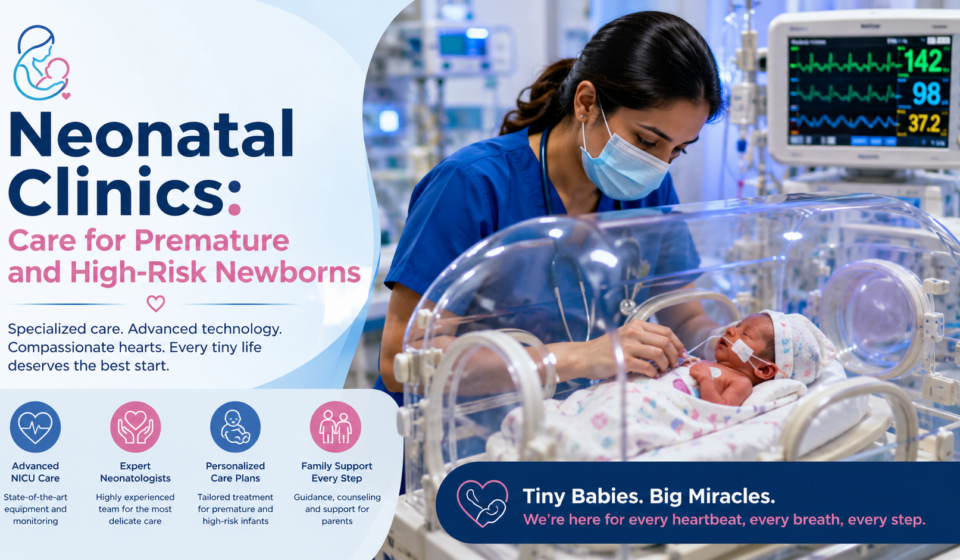

Learn how neonatal clinics provide specialized care for premature and high-risk newborns. Discover treatments, benefits, follow-up care, and why neonatal healthcare is essential for a healthy start in life.
The birth of a baby is a joyful moment for every family. However, some newborns require specialized medical attention due to premature birth, low birth weight, congenital conditions, or other health complications. These infants often need expert care that goes beyond routine newborn services. This is where neonatal clinics play a crucial role.
Neonatal clinics are dedicated healthcare facilities that provide specialized medical care for premature and high-risk newborns. These clinics work closely with neonatal intensive care units (NICUs), pediatric specialists, and healthcare professionals to ensure that vulnerable infants receive the best possible start in life.
In this article, we will explore the importance of neonatal clinics, the services they provide, and how they support the growth and development of premature and high-risk newborns.
What Are Neonatal Clinics?
Neonatal clinics are specialized healthcare centers focused on the medical needs of newborn babies, particularly those who are born prematurely or have health conditions that require continuous monitoring and treatment.
These clinics provide comprehensive care for infants who may face challenges related to:
- Premature birth
- Low birth weight
- Respiratory problems
- Birth defects
- Neurological disorders
- Feeding difficulties
- Infections
- Developmental delays
The goal of neonatal clinics is to monitor, treat, and support newborns while helping families navigate the challenges associated with high-risk infant care.
Understanding Premature and High-Risk Newborns
A premature baby is born before 37 weeks of pregnancy. Since many organs are still developing, premature infants often require specialized medical attention.
High-risk newborns may include babies who:
- Are born prematurely
- Have a low birth weight
- Experience birth complications
- Have congenital abnormalities
- Suffer from breathing difficulties
- Are born from multiple pregnancies such as twins or triplets
- Have infections or genetic disorders
These babies need close observation and expert care to ensure proper growth and development.
Why Neonatal Clinics Are Important
Neonatal clinics serve as a critical bridge between hospital-based care and long-term health management.
Key benefits include:
- Early detection of developmental concerns
- Continuous health monitoring
- Specialized treatment plans
- Family education and support
- Improved long-term health outcomes
- Reduced risk of complications
Regular visits help healthcare providers identify issues early and provide timely interventions.
Specialized Services Offered by Neonatal Clinics
Neonatal clinics provide a wide range of medical and developmental services tailored to each infant’s unique needs.
Growth and Development Monitoring
Premature and high-risk infants require frequent assessments to track:
- Weight gain
- Height growth
- Head circumference
- Motor development
- Cognitive milestones
Healthcare providers compare progress against developmental benchmarks and recommend interventions when necessary.
Respiratory Care
Many premature babies have underdeveloped lungs and may experience breathing difficulties.
Neonatal clinics provide:
- Oxygen therapy monitoring
- Respiratory assessments
- Lung function evaluations
- Follow-up care after NICU discharge
Regular respiratory checkups help reduce complications and support healthy lung development.
Nutritional Support
Nutrition plays a vital role in the growth of newborns.
Neonatal specialists assist families with:
- Breastfeeding guidance
- Formula recommendations
- Feeding schedules
- Nutritional supplements
- Weight management plans
Proper nutrition helps strengthen immunity and supports healthy development.
Neurological Assessments
Premature infants may face developmental or neurological challenges.
Neonatal clinics conduct evaluations to monitor:
- Brain development
- Muscle tone
- Reflexes
- Coordination
- Sensory responses
Early identification of concerns allows healthcare teams to initiate therapy and treatment plans.
Vision and Hearing Screening
Premature newborns are at a higher risk for vision and hearing problems.
Routine screenings help identify:
- Retinopathy of prematurity (ROP)
- Hearing impairments
- Visual development issues
Early diagnosis improves treatment outcomes and developmental progress.
Vaccination and Preventive Care
Preventive healthcare is essential for protecting newborns from serious illnesses.
Neonatal clinics ensure:
- Timely vaccinations
- Infection prevention guidance
- Immunization tracking
- Health education for parents
Preventive measures help strengthen a baby’s immune system and reduce health risks.
The Role of Neonatal Intensive Care Unit (NICU) Follow-Up Clinics
Many neonatal clinics operate as NICU follow-up centers.
After discharge from the NICU, infants continue receiving specialized monitoring to assess:
- Physical growth
- Neurological development
- Feeding abilities
- Respiratory health
- Behavioral milestones
Follow-up clinics help ensure that babies transition safely from intensive care to home life.
Common Conditions Managed in Neonatal Clinics
Neonatal clinics provide care for a variety of conditions affecting newborns.
Respiratory Distress Syndrome
Premature infants often have immature lungs, making breathing difficult. Specialists monitor lung function and provide ongoing treatment.
Jaundice
Newborn jaundice occurs when bilirubin levels become elevated. Neonatal healthcare providers monitor and manage the condition to prevent complications.
Feeding Disorders
Some newborns struggle with feeding due to underdeveloped reflexes or medical conditions. Clinics offer feeding therapy and nutritional support.
Developmental Delays
High-risk infants may experience delays in movement, speech, or cognitive skills. Early intervention programs can improve outcomes significantly.
Congenital Heart Conditions
Babies born with heart defects require specialized monitoring and coordinated care from pediatric cardiologists and neonatal specialists.
How Neonatal Clinics Support Parents
Caring for a premature or high-risk newborn can be emotionally challenging for families.
Neonatal clinics provide support through:
- Parent education programs
- Breastfeeding counseling
- Emotional support resources
- Guidance on home care
- Developmental milestone tracking
- Emergency preparedness training
Educating parents helps improve confidence and ensures better care at home.
The Importance of Early Intervention
Research consistently shows that early intervention can significantly improve long-term outcomes for high-risk infants.
Benefits of early intervention include:
- Better motor development
- Improved language skills
- Enhanced learning abilities
- Reduced developmental delays
- Improved social interactions
Neonatal clinics work closely with therapists and specialists to provide comprehensive developmental support.
Technology Used in Modern Neonatal Clinics
Advancements in neonatal healthcare have transformed the quality of care available to newborns.
Modern neonatal clinics may utilize:
- Digital growth tracking systems
- Advanced imaging technologies
- Telehealth consultations
- Respiratory monitoring equipment
- Developmental assessment tools
These innovations allow healthcare providers to deliver more accurate diagnoses and personalized treatment plans.
Choosing the Right Neonatal Clinic
Selecting the right neonatal clinic is essential for ensuring quality care.
Consider the following factors:
- Availability of neonatal specialists
- Access to developmental services
- NICU follow-up programs
- Family support resources
- Modern medical equipment
- Positive patient reviews
- Comprehensive care plans
A well-equipped neonatal clinic can make a significant difference in a baby’s health journey.
Long-Term Benefits of Neonatal Clinic Care
Regular neonatal follow-up care offers numerous long-term advantages.
These include:
- Improved physical growth
- Better developmental outcomes
- Reduced hospital readmissions
- Early identification of health concerns
- Enhanced quality of life
- Stronger family support systems
Ongoing care helps infants reach their full potential while minimizing health complications.
Sources
https://sl1nk.com/7o59w8x
https://l1nq.com/hjkequr
Conclusion
Neonatal clinics play a vital role in supporting premature and high-risk newborns during the most critical stages of development. Through specialized medical care, developmental monitoring, nutritional support, respiratory management, and family education, these clinics help vulnerable infants achieve healthier outcomes.
Early intervention and regular follow-up appointments can significantly improve a child’s physical, cognitive, and emotional development. For families of premature or high-risk newborns, neonatal clinics provide not only expert medical care but also reassurance, guidance, and support throughout the journey.
Investing in quality neonatal care ensures that every newborn receives the best possible opportunity for a healthy and successful future.
FAQs
What is a neonatal clinic?
A neonatal clinic is a specialized healthcare facility that provides medical care and follow-up services for premature and high-risk newborns.
Who needs neonatal clinic services?
Premature babies, low birth weight infants, and newborns with medical conditions or developmental concerns often benefit from neonatal clinic care.
How often should a premature baby visit a neonatal clinic?
The frequency depends on the baby’s condition, but regular follow-up visits are typically scheduled during the first months and years of life.
What services do neonatal clinics provide?
Services may include growth monitoring, respiratory care, nutritional counseling, developmental assessments, vision and hearing screenings, and parent education.
Why is early intervention important for high-risk newborns?
Early intervention helps identify developmental concerns quickly and provides therapies that improve long-term health and developmental outcomes.