
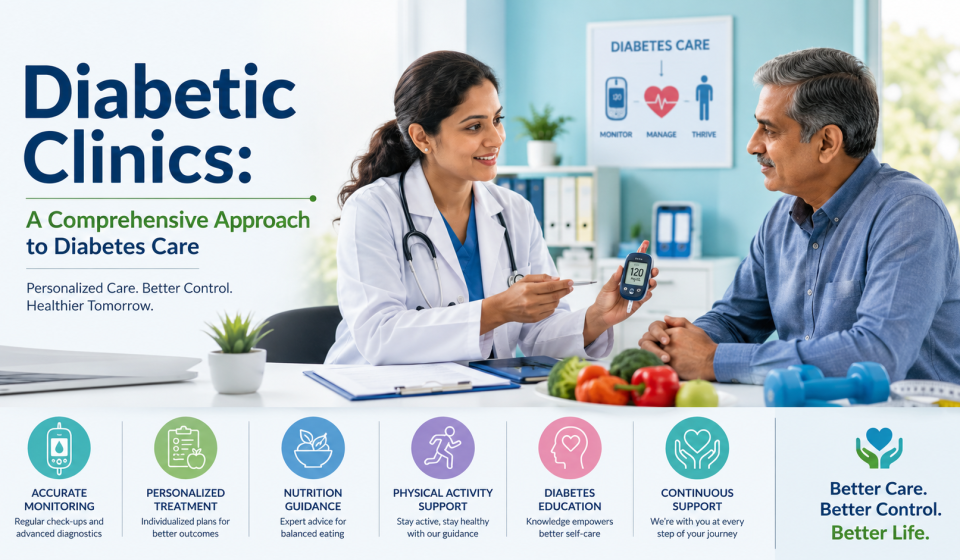

Discover how diabetic clinics provide comprehensive diabetes care through expert monitoring, personalized treatment plans, lifestyle guidance, and advanced technologies to help patients manage diabetes effectively and improve their quality of life.
Diabetes is one of the most common chronic health conditions affecting millions of people worldwide. Managing diabetes requires more than just taking medication—it involves regular monitoring, lifestyle modifications, nutritional guidance, and continuous medical support. This is where diabetic clinics play a crucial role.
Diabetic clinics are specialized healthcare centers designed to provide comprehensive care for individuals living with diabetes. These clinics bring together healthcare professionals, advanced diagnostic tools, and personalized treatment plans to help patients effectively manage their condition and prevent complications.
In this article, we will explore the importance of diabetic clinics, the services they provide, and how they contribute to better diabetes management and overall health.
Understanding Diabetes
Diabetes is a chronic condition that occurs when the body cannot properly regulate blood sugar (glucose) levels. This can happen because the body does not produce enough insulin or cannot use insulin effectively.
The main types of diabetes include:
Type 1 Diabetes
A condition where the immune system attacks insulin-producing cells in the pancreas, requiring lifelong insulin therapy.
Type 2 Diabetes
The most common form of diabetes, often linked to lifestyle factors, obesity, and genetics.
Gestational Diabetes
A type of diabetes that develops during pregnancy and usually resolves after childbirth but increases the risk of future diabetes.
Proper management is essential to prevent serious health complications such as heart disease, kidney damage, nerve problems, and vision loss.
What Is a Diabetic Clinic?
A diabetic clinic is a specialized healthcare facility focused on the diagnosis, treatment, education, and long-term management of diabetes.
Unlike general healthcare settings, diabetic clinics provide dedicated services tailored to the unique needs of diabetic patients. These clinics often include a multidisciplinary team of healthcare professionals working together to deliver personalized care.
Their primary goal is to help patients maintain healthy blood sugar levels while reducing the risk of diabetes-related complications.
Why Specialized Diabetes Care Matters
Managing diabetes can be challenging because it affects multiple aspects of health. A diabetic clinic offers comprehensive support that goes beyond routine medical appointments.
Benefits of specialized diabetes care include:
- Better blood sugar control
- Early detection of complications
- Personalized treatment plans
- Improved medication management
- Nutritional counseling
- Lifestyle coaching
- Continuous monitoring and follow-up
- Enhanced patient education
Patients who receive specialized care often experience better health outcomes and improved quality of life.
Services Offered at Diabetic Clinics
Diabetic clinics provide a wide range of services designed to support every stage of diabetes management.
Diabetes Screening and Diagnosis
Early diagnosis is critical for preventing complications. Diabetic clinics use advanced diagnostic tests to identify diabetes and prediabetes.
Common tests include:
- Fasting Blood Sugar Test
- HbA1c Test
- Oral Glucose Tolerance Test
- Random Blood Sugar Test
Regular screening helps identify risk factors and allows for timely intervention.
Personalized Treatment Plans
Every patient has unique healthcare needs. Diabetic specialists create customized treatment plans based on:
- Type of diabetes
- Age
- Medical history
- Lifestyle
- Current health status
- Blood sugar levels
Treatment plans may include medications, insulin therapy, dietary modifications, and exercise recommendations.
Blood Sugar Monitoring
Regular monitoring is essential for effective diabetes management.
Diabetic clinics help patients:
- Understand glucose readings
- Track blood sugar trends
- Adjust treatment plans when necessary
- Prevent sudden blood sugar fluctuations
Some clinics also offer Continuous Glucose Monitoring (CGM) systems for real-time tracking.
Medication and Insulin Management
Managing medications correctly is vital for maintaining stable glucose levels.
Healthcare providers assist patients by:
- Reviewing medications
- Adjusting dosages
- Monitoring effectiveness
- Educating patients on insulin administration
This ensures safe and effective treatment.
Nutritional Counseling
Diet plays a major role in diabetes control.
Registered dietitians help patients:
- Create healthy meal plans
- Manage carbohydrate intake
- Achieve weight management goals
- Improve overall nutrition
Personalized nutrition guidance can significantly improve blood sugar management.
Lifestyle and Exercise Guidance
Physical activity helps improve insulin sensitivity and overall health.
Diabetic clinics provide recommendations for:
- Safe exercise routines
- Weight management strategies
- Stress reduction techniques
- Healthy lifestyle habits
These changes can greatly enhance diabetes control.
The Role of Diabetes Education
Education is one of the most valuable services offered by diabetic clinics.
Patients learn about:
- Understanding diabetes
- Blood sugar management
- Recognizing symptoms of high and low blood sugar
- Proper medication use
- Healthy eating habits
- Foot care
- Preventing complications
Educated patients are more likely to make informed decisions and successfully manage their condition.
Preventing Diabetes Complications
Uncontrolled diabetes can lead to serious health problems.
Diabetic clinics focus heavily on preventive care through routine assessments and monitoring.
Cardiovascular Health Monitoring
People with diabetes have a higher risk of heart disease and stroke.
Clinics monitor:
- Blood pressure
- Cholesterol levels
- Heart health indicators
Early intervention helps reduce cardiovascular risks.
Kidney Function Assessment
Diabetes is a leading cause of kidney disease.
Regular testing helps identify kidney problems before they become severe.
Eye Examinations
Diabetic retinopathy is a common diabetes-related eye condition.
Routine eye screenings can detect vision problems early and prevent permanent damage.
Nerve Health Evaluation
Diabetes can damage nerves, leading to pain, numbness, and mobility issues.
Regular assessments help identify nerve damage and support timely treatment.
Foot Care Services
Foot complications are common among diabetic patients.
Clinics provide:
- Foot examinations
- Wound care
- Ulcer prevention
- Patient education
Proper foot care can significantly reduce the risk of serious infections and amputations.
Advanced Technologies Used in Diabetic Clinics
Modern diabetic clinics use innovative technologies to improve patient outcomes.
Continuous Glucose Monitoring (CGM)
CGM devices provide real-time glucose readings and help patients better understand blood sugar patterns.
Insulin Pumps
Insulin pumps deliver precise amounts of insulin throughout the day, improving blood sugar control.
Telemedicine Services
Many clinics now offer virtual consultations, making diabetes care more accessible and convenient.
Digital Health Platforms
Mobile apps and digital tools allow patients to:
- Track glucose levels
- Monitor medications
- Schedule appointments
- Communicate with healthcare providers
These technologies support more proactive diabetes management.
The Importance of Regular Follow-Up Visits
Diabetes management is a lifelong process.
Regular follow-up appointments help healthcare providers:
- Monitor progress
- Adjust treatments
- Address concerns
- Detect complications early
Consistent medical supervision leads to better long-term outcomes and improved health.
Choosing the Right Diabetic Clinic
Selecting the right diabetic clinic can make a significant difference in managing diabetes effectively.
Consider factors such as:
- Experienced diabetes specialists
- Comprehensive services
- Access to advanced technology
- Personalized care plans
- Patient education programs
- Positive patient reviews
- Convenient location
A well-equipped diabetic clinic can provide the support needed to achieve optimal diabetes control.
Sources
https://l1nq.com/ixqbtab
https://l1nq.com/fi8mc1m
Conclusion
Diabetic clinics play a vital role in helping individuals manage diabetes through a comprehensive and patient-centered approach. From diagnosis and treatment to education and preventive care, these specialized clinics offer the resources and expertise needed for successful diabetes management.
With personalized treatment plans, advanced technologies, lifestyle guidance, and ongoing support, diabetic clinics empower patients to take control of their health and reduce the risk of serious complications. Regular visits to a trusted diabetic clinic can significantly improve quality of life and promote long-term wellness for individuals living with diabetes.
FAQs
What services are typically offered at a diabetic clinic?
Diabetic clinics provide diabetes diagnosis, blood sugar monitoring, medication management, nutritional counseling, lifestyle guidance, complication screening, and patient education.
Who should visit a diabetic clinic?
Anyone diagnosed with Type 1, Type 2, or gestational diabetes, as well as individuals at high risk for diabetes, can benefit from specialized diabetic care.
How often should diabetic patients visit a clinic?
The frequency depends on individual health needs, but many patients benefit from regular follow-up visits every few months to monitor progress and adjust treatment plans.
Can diabetic clinics help prevent complications?
Yes. Regular screenings, monitoring, and personalized care plans help detect potential complications early and reduce long-term health risks.
What is Continuous Glucose Monitoring (CGM)?
CGM is a technology that continuously tracks blood sugar levels throughout the day and night, providing real-time insights for better diabetes management.