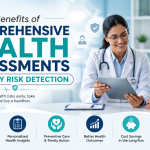


Discover how regular doctor consultations help prevent serious health problems through early diagnosis, preventive care, lifestyle guidance, and timely treatment. Learn why routine health check-ups are essential for long-term wellness.
In today’s fast-paced world, many people visit a doctor only when they experience severe pain or illness. Busy schedules, work commitments, and the misconception that “I feel fine, so I must be healthy” often lead people to skip regular medical consultations. Unfortunately, many serious health conditions develop silently without showing noticeable symptoms during their early stages.
Regular doctor consultations are one of the simplest and most effective ways to protect your health. They help identify diseases early, prevent complications, and provide personalized advice for maintaining a healthy lifestyle. Whether you are a young adult, a working professional, a parent, or a senior citizen, routine medical check-ups can significantly improve your quality of life.
This article explains why regular doctor consultations matter, how they help prevent major health problems, and why making them a habit is one of the best investments you can make for your future.
What Is a Regular Doctor Consultation?
A regular doctor consultation is a scheduled visit to your healthcare provider even when you are not feeling sick. During these visits, your doctor reviews your overall health, discusses any concerns, checks your vital signs, recommends necessary tests, and provides preventive guidance.
Unlike emergency visits, routine consultations focus on preventing diseases rather than simply treating them.
Why Prevention Is Better Than Cure
The old saying “Prevention is better than cure” is especially true in healthcare.
Many life-threatening diseases begin quietly. High blood pressure, diabetes, high cholesterol, kidney disease, thyroid disorders, osteoporosis, and several cancers often develop without obvious symptoms. By the time symptoms appear, the disease may already have progressed significantly.
Regular consultations allow doctors to detect these conditions early, making treatment simpler, more affordable, and more successful.
For example, a simple blood pressure check during a routine visit may reveal hypertension before it causes a heart attack or stroke.
Early Detection Saves Lives
One of the biggest benefits of routine doctor visits is early diagnosis.
Doctors can identify warning signs before they become serious illnesses. Common screening tests include:
- Blood pressure measurement
- Blood sugar testing
- Cholesterol screening
- Complete blood count (CBC)
- Liver and kidney function tests
- Thyroid function tests
- Cancer screening based on age and gender
- Vision and hearing assessments
Early detection often means less aggressive treatment, lower medical expenses, and better recovery outcomes.
Managing Chronic Diseases Effectively
Millions of Indians live with chronic diseases like:
- Diabetes
- High blood pressure
- Asthma
- Arthritis
- Heart disease
- Thyroid disorders
These conditions require regular monitoring.
Routine doctor consultations help by:
- Adjusting medications when needed
- Monitoring treatment effectiveness
- Detecting side effects
- Preventing complications
- Tracking disease progression
- Encouraging healthier habits
For example, regular diabetes consultations help maintain healthy blood sugar levels, reducing the risk of kidney failure, blindness, and nerve damage.
Monitoring Blood Pressure and Heart Health
Heart disease remains one of the leading causes of death worldwide.
Many people have high blood pressure without knowing it because it usually has no symptoms.
During regular consultations, doctors monitor:
- Blood pressure
- Heart rate
- Weight
- Cholesterol levels
- Lifestyle habits
- Family medical history
Early intervention through diet, exercise, stress management, or medication can significantly lower the risk of heart attacks and strokes.
Preventing Lifestyle Diseases
Modern lifestyles have increased the risk of:
- Obesity
- Diabetes
- High cholesterol
- Fatty liver disease
- Sleep disorders
Doctors provide personalized recommendations based on your health profile.
These may include:
- Healthy eating plans
- Physical activity goals
- Weight management
- Smoking cessation
- Limiting alcohol
- Better sleep habits
- Stress management techniques
Small lifestyle improvements made today can prevent major illnesses later.
Vaccinations and Preventive Care
Many adults assume vaccines are only for children, but adults also require immunization.
Doctors may recommend vaccines for:
- Influenza (flu)
- COVID-19
- Hepatitis B
- Tetanus booster
- HPV
- Pneumococcal infections (for older adults)
Vaccination reduces the risk of preventable diseases and protects both individuals and communities.
Cancer Screening and Prevention
Many cancers are highly treatable when detected early.
Depending on your age, gender, and family history, your doctor may recommend:
- Breast cancer screening
- Cervical cancer screening
- Prostate screening
- Colorectal cancer screening
- Oral cancer examination
- Skin examination
Routine consultations ensure these screenings happen at the appropriate time.
Supporting Women’s Health
Women experience unique health needs throughout life.
Regular consultations help monitor:
- Menstrual health
- PCOS
- Pregnancy planning
- Fertility concerns
- Menopause
- Breast health
- Bone health
Early diagnosis of hormonal disorders improves treatment outcomes and overall well-being.
Supporting Men’s Health
Men often delay visiting doctors until symptoms become severe.
Routine consultations help detect:
- High blood pressure
- Diabetes
- Heart disease
- Prostate problems
- Erectile dysfunction
- Mental health concerns
Early intervention improves both health and quality of life.
Mental Health Matters Too
Doctor consultations are not limited to physical health.
Doctors can identify early signs of:
- Anxiety
- Depression
- Stress-related disorders
- Burnout
- Sleep problems
Timely counselling, therapy, or medication can prevent these issues from becoming more serious.
Building a Trusted Relationship With Your Doctor
Seeing the same doctor regularly creates continuity of care.
Your doctor becomes familiar with:
- Your medical history
- Previous illnesses
- Family history
- Current medications
- Lifestyle
- Allergies
This allows for more personalized, accurate, and effective healthcare.
Saving Money in the Long Run
Some people avoid doctor visits because they think they are expensive.
However, preventing illness is usually much cheaper than treating advanced disease.
For example:
- Managing early diabetes costs far less than dialysis.
- Treating mild hypertension is less expensive than recovering from a stroke.
- Detecting cancer early often requires less intensive treatment.
Preventive healthcare reduces hospital admissions, emergency visits, and costly surgeries.
Who Should Schedule Regular Doctor Consultations?
Everyone benefits from routine consultations, especially:
- Children
- Teenagers
- Adults over 30
- Pregnant women
- Senior citizens
- People with family history of chronic diseases
- Individuals with obesity
- Smokers
- People with sedentary lifestyles
How Often Should You Visit a Doctor?
The frequency depends on your age and health status.
General recommendations include:
- Healthy adults: Once a year
- Adults with chronic diseases: Every 3–6 months or as advised
- Older adults: At least once every 6–12 months
- Pregnant women: As per antenatal schedule
- Children: According to vaccination and growth milestones
Always follow your doctor’s recommendations based on your individual health needs.
Tips to Make the Most of Your Consultation
Before your appointment:
- Write down your symptoms.
- List all medications and supplements.
- Carry previous medical reports.
- Mention family medical history.
- Discuss lifestyle habits honestly.
- Ask questions about your treatment.
- Understand follow-up instructions clearly.
Being prepared helps your doctor provide better care.
Common Myths About Regular Doctor Visits
Myth 1: I only need a doctor when I’m sick.
Reality: Preventive care helps detect hidden illnesses before symptoms appear.
Myth 2: Young people don’t need regular check-ups.
Reality: Lifestyle diseases are increasingly affecting younger adults.
Myth 3: Health check-ups are expensive.
Reality: Preventive care is usually much more affordable than treating advanced diseases.
Myth 4: If I have no symptoms, I’m healthy.
Reality: Many serious diseases develop silently.
Sources
https://www.who.int
https://sl1nk.com/yemfvs5
Conclusion
Regular doctor consultations are far more than routine appointments—they are a proactive step toward preventing serious health problems before they become life-threatening. Through early diagnosis, preventive screenings, personalized lifestyle advice, and ongoing monitoring of chronic conditions, regular medical visits empower individuals to take control of their health.
Frequently Asked Questions (FAQs)
1. Why are regular doctor consultations important even if I feel healthy?
Many serious conditions such as high blood pressure, diabetes, and high cholesterol often have no early symptoms. Regular consultations help detect these problems before they become severe.
2. How often should I visit a doctor for a routine check-up?
Healthy adults should generally schedule a routine check-up once a year. Individuals with chronic conditions, older adults, or those at higher risk may need more frequent visits as advised by their doctor.
3. What tests are usually done during a regular doctor consultation?
A routine consultation may include blood pressure measurement, weight and BMI assessment, blood sugar testing, cholesterol screening, thyroid tests, and other investigations based on your age, health history, and risk factors.
4. Can regular doctor visits help prevent heart disease?
Yes. Regular consultations help monitor blood pressure, cholesterol, blood sugar, and lifestyle habits, allowing doctors to identify risk factors early and recommend preventive treatments.
5. Are preventive health check-ups worth the cost?
Absolutely. Early detection and preventive care are generally much less expensive than treating advanced illnesses, reducing the need for hospitalization and complex medical procedures.