
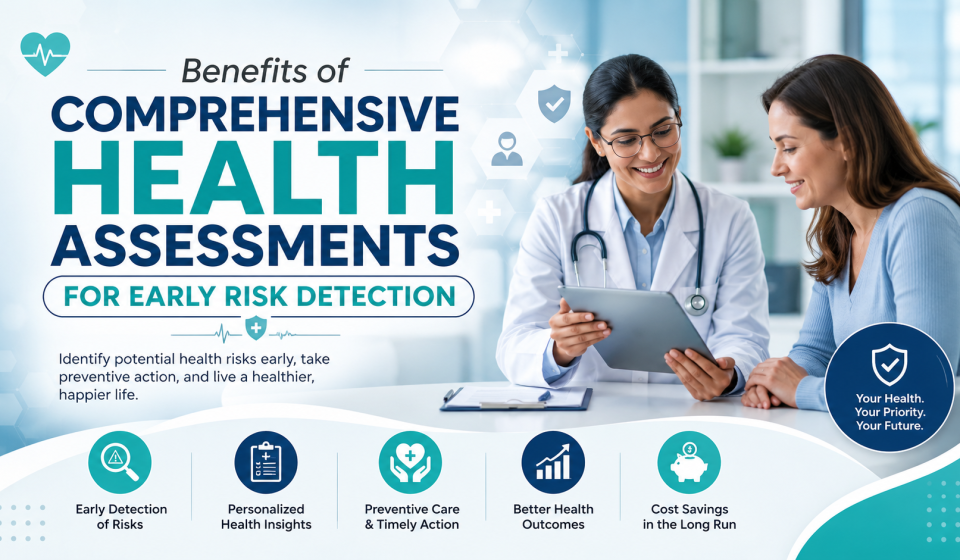

Discover the benefits of comprehensive health assessments for early risk detection. Learn how regular health screenings help identify diseases early, improve treatment outcomes, reduce healthcare costs, and promote long-term wellness.
In today’s fast-paced world, many people ignore minor symptoms, delay routine check-ups, and only visit a doctor when they experience severe discomfort. Unfortunately, many serious health conditions, including diabetes, hypertension, heart disease, kidney disorders, and even certain cancers, develop silently without obvious symptoms during their early stages. This is where comprehensive health assessments play a crucial role.
A comprehensive health assessment is a detailed evaluation of an individual’s overall health status through medical history review, physical examination, laboratory investigations, lifestyle assessment, and preventive screening tests. These assessments help healthcare professionals identify potential health risks before they become serious medical problems.
Early risk detection through comprehensive health assessments not only saves lives but also reduces treatment costs, improves quality of life, and promotes preventive healthcare practices. Whether you are a young adult, middle-aged professional, or senior citizen, regular health assessments can provide valuable insights into your current health and future risks.
This article explores the major benefits of comprehensive health assessments and explains why early detection is one of the most important investments you can make for your health.
What Is a Comprehensive Health Assessment?
A comprehensive health assessment is a systematic examination designed to evaluate multiple aspects of a person’s health. Unlike a simple consultation for a specific illness, it provides a complete picture of physical, mental, and lifestyle-related health factors.
Typically, a comprehensive health assessment includes:
- Medical history review
- Family health history analysis
- Physical examination
- Blood pressure measurement
- Blood sugar testing
- Cholesterol profile
- Kidney and liver function tests
- Body mass index (BMI) assessment
- Cancer screening tests
- Heart health evaluation
- Mental health screening
- Nutritional assessment
- Lifestyle evaluation
- Preventive risk assessment
The goal is to identify hidden health conditions and future disease risks before symptoms develop.
Why Early Risk Detection Matters
Many chronic diseases progress silently for years. Patients often feel healthy while their bodies undergo significant changes internally.
For example:
- High blood pressure may remain unnoticed for years.
- Diabetes can damage organs before symptoms appear.
- Heart disease may progress without chest pain.
- Certain cancers show no early warning signs.
- Kidney disease can develop silently.
Early detection provides an opportunity to intervene before irreversible damage occurs.
For instance, a 40-year-old office worker may feel perfectly healthy but discover during a routine health assessment that they have elevated cholesterol and prediabetes. With early lifestyle changes and medical guidance, they can potentially avoid developing full-blown diabetes and cardiovascular disease.
1. Early Detection of Chronic Diseases
One of the biggest benefits of comprehensive health assessments is identifying chronic diseases during their early stages.
Common conditions detected include:
Diabetes
Blood sugar testing can identify:
- Prediabetes
- Type 2 diabetes
- Insulin resistance
Early diagnosis allows patients to control their condition through diet, exercise, and medication before complications develop.
Hypertension
High blood pressure is often called the “silent killer” because it rarely causes symptoms initially. Regular monitoring helps prevent:
- Stroke
- Heart attacks
- Kidney disease
- Vision loss
Heart Disease
Health assessments evaluate:
- Cholesterol levels
- Blood pressure
- Cardiac risk factors
- Family history
- Lifestyle habits
Early treatment can significantly reduce cardiovascular risks.
Thyroid Disorders
Routine blood tests can identify:
- Hypothyroidism
- Hyperthyroidism
- Hormonal imbalances
2. Identification of Hidden Risk Factors
Many people have risk factors they are unaware of.
A comprehensive health assessment helps identify:
- Obesity
- High cholesterol
- Fatty liver disease
- Vitamin deficiencies
- Metabolic syndrome
- Smoking-related risks
- Sedentary lifestyle risks
- Family genetic risks
For example, someone with a family history of heart disease may have an increased risk despite appearing healthy. Early identification allows preventive strategies to begin immediately.
3. Prevention of Serious Health Complications
Preventive healthcare is significantly more effective than treating advanced disease.
Early risk detection can help prevent:
Cardiovascular Complications
By identifying:
- High cholesterol
- Hypertension
- Diabetes
- Obesity
Doctors can reduce risks of:
- Heart attacks
- Stroke
- Peripheral artery disease
Kidney Damage
Routine kidney function tests can detect abnormalities before symptoms develop.
Vision Problems
Early diabetes and hypertension management helps prevent vision loss.
Organ Failure
Many organ-related complications can be avoided through timely intervention.
4. Improved Cancer Detection Rates
Cancer screening is an important part of comprehensive health assessments.
Common screenings include:
- Breast cancer screening
- Cervical cancer screening
- Prostate cancer screening
- Colon cancer screening
- Oral cancer screening
- Lung cancer risk assessment
Many cancers are highly treatable when diagnosed early.
For example:
- Early-stage breast cancer has significantly higher survival rates.
- Cervical cancer can often be prevented through early screening.
- Colon cancer detected early frequently has successful treatment outcomes.
Regular screening saves thousands of lives every year.
5. Better Management of Existing Health Conditions
For individuals already diagnosed with chronic illnesses, health assessments help monitor disease progression and treatment effectiveness.
They assist healthcare providers in:
- Adjusting medications
- Monitoring side effects
- Preventing complications
- Improving treatment outcomes
- Evaluating lifestyle changes
Patients with diabetes, hypertension, thyroid disorders, and heart disease particularly benefit from regular evaluations.
6. Personalized Healthcare Planning
Every individual has unique health risks.
Comprehensive assessments consider factors such as:
- Age
- Gender
- Family history
- Lifestyle habits
- Occupation
- Stress levels
- Medical history
This information helps doctors create personalized healthcare plans tailored to each patient’s needs.
Examples include:
- Customized diet plans
- Exercise recommendations
- Preventive screening schedules
- Medication strategies
- Mental health support plans
7. Improved Mental Health Assessment
Mental health plays a critical role in overall wellness.
Comprehensive health assessments often evaluate:
- Stress levels
- Anxiety
- Depression
- Sleep quality
- Emotional well-being
Early identification of mental health concerns allows timely intervention through:
- Counseling
- Therapy
- Lifestyle modifications
- Medical treatment
This holistic approach improves both physical and emotional health.
8. Encouragement of Healthy Lifestyle Changes
Receiving objective health information often motivates people to improve their habits.
Health assessments encourage:
Better Nutrition
Patients become more aware of:
- Calorie intake
- Nutritional deficiencies
- Weight management
Regular Exercise
Healthcare providers recommend personalized fitness plans.
Smoking Cessation
Early health warnings often motivate individuals to quit smoking.
Reduced Alcohol Consumption
Patients become more aware of alcohol-related health risks.
Improved Sleep Habits
Sleep disorders and poor sleep quality can be addressed early.
9. Reduced Healthcare Costs in the Long Term
Many people avoid health check-ups because they believe they are expensive.
However, preventive care is generally much less expensive than treating advanced disease.
Consider the difference:
| Preventive Care | Advanced Disease Treatment |
|---|---|
| Blood pressure screening | Stroke treatment |
| Blood sugar testing | Diabetes complications |
| Cholesterol screening | Heart surgery |
| Cancer screening | Cancer chemotherapy |
| Lifestyle counseling | Organ failure treatment |
Early intervention often prevents costly hospitalizations and surgeries.
10. Increased Life Expectancy and Better Quality of Life
Research consistently shows that individuals who undergo regular health screenings experience:
- Earlier diagnosis
- Better disease management
- Fewer complications
- Reduced hospitalization rates
- Improved longevity
More importantly, they enjoy a better quality of life by maintaining physical independence and overall well-being.
Who Should Get Comprehensive Health Assessments?
Comprehensive health assessments benefit people of all ages, but they are especially important for:
Adults Over 30
Regular screening helps identify early risk factors.
People With Family History of Disease
Those with a family history of:
- Diabetes
- Cancer
- Heart disease
- Hypertension
should undergo periodic assessments.
Individuals With Unhealthy Lifestyle Habits
People who:
- Smoke
- Consume excessive alcohol
- Exercise rarely
- Experience chronic stress
are at higher risk.
Elderly Individuals
Older adults require more frequent monitoring due to increased disease risk.
Patients With Existing Medical Conditions
Regular evaluations help optimize treatment and prevent complications.
How Often Should You Have a Comprehensive Health Assessment?
General recommendations include:
| Age Group | Recommended Frequency |
|---|---|
| 20–30 years | Every 2–3 years |
| 30–40 years | Every 1–2 years |
| Above 40 years | Annually |
| High-risk individuals | As advised by a physician |
The frequency may vary based on personal health history and risk factors.
The Future of Preventive Healthcare
Modern healthcare is increasingly focused on prevention rather than treatment.
New technologies now support:
- Artificial intelligence-based risk prediction
- Genetic testing
- Digital health monitoring
- Wearable health devices
- Telemedicine consultations
- Personalized preventive medicine
These advancements make early risk detection more accurate and accessible than ever before.
Sources
https://sl1nk.com/jkgnm45
https://sl1nk.com/thco658
Conclusion
Comprehensive health assessments are one of the most effective tools for early risk detection and preventive healthcare. They help identify hidden diseases, detect risk factors, prevent serious complications, improve treatment outcomes, and promote healthier lifestyles.
Rather than waiting for symptoms to appear, individuals should adopt a proactive approach to healthcare through regular assessments and screenings. Early detection not only increases the chances of successful treatment but also reduces healthcare costs and improves overall quality of life.
Investing in regular comprehensive health assessments is not merely a medical decision—it is a long-term investment in your health, well-being, and future.
Frequently Asked Questions (FAQs)
1. What is included in a comprehensive health assessment?
A comprehensive health assessment typically includes medical history review, physical examination, blood tests, blood pressure measurement, cholesterol screening, diabetes screening, lifestyle evaluation, and preventive risk assessment.
2. At what age should I start getting comprehensive health assessments?
Most healthcare experts recommend beginning routine health assessments around age 30, although individuals with family history or risk factors may need earlier evaluations.
3. How often should comprehensive health assessments be performed?
Adults under 30 may undergo assessments every 2–3 years, while individuals over 40 are generally advised to have annual health assessments.
4. Can comprehensive health assessments detect cancer?
Yes. Many health assessments include cancer screening tests that can identify certain cancers during their early, more treatable stages.
5. Are comprehensive health assessments expensive?
While there is an initial cost, comprehensive health assessments often reduce long-term healthcare expenses by preventing serious diseases and avoiding costly treatments.