
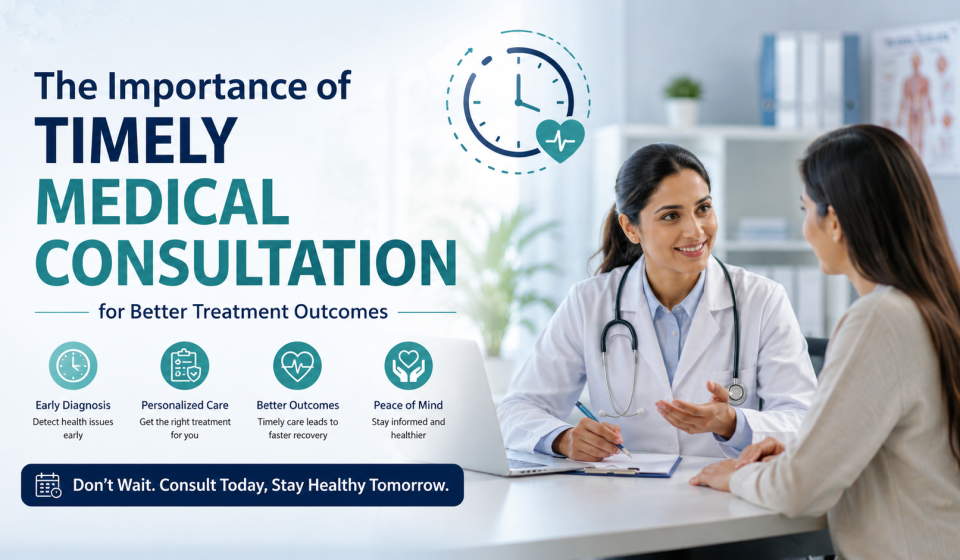

Learn why timely medical consultation is essential for better treatment outcomes, early diagnosis, reduced healthcare costs, and improved quality of life. Discover how early medical intervention can save lives and prevent complications.
In today’s fast-paced world, many people tend to ignore early symptoms of illness due to busy schedules, financial concerns, fear of diagnosis, or simply assuming that the problem will resolve on its own. However, delaying medical consultation can often turn a minor health issue into a serious medical condition. Seeking timely medical advice is one of the most important steps individuals can take to protect their health and improve treatment outcomes.
Healthcare professionals worldwide emphasize that early diagnosis and prompt treatment significantly increase the chances of successful recovery, reduce complications, and lower healthcare costs. Whether it is a common infection, chronic disease, or a life-threatening condition such as cancer or heart disease, timely medical consultation can make a substantial difference in the patient’s prognosis and quality of life.
This article explores the importance of timely medical consultation, its benefits, barriers that prevent people from seeking care, and practical strategies to encourage early medical intervention.
Understanding Timely Medical Consultation
Timely medical consultation refers to seeking professional healthcare advice as soon as symptoms appear or when preventive screenings and routine check-ups are recommended. It does not necessarily mean visiting a hospital for every minor discomfort, but rather recognizing when professional evaluation is necessary.
Medical consultation can involve:
- Visiting a primary care physician
- Consulting a specialist
- Attending routine health screenings
- Seeking emergency medical care when needed
- Participating in preventive healthcare programs
- Following up regularly for chronic disease management
Timely consultation helps healthcare providers identify diseases at their earliest stages when treatment options are often more effective and less invasive.
Why People Delay Medical Consultation
Despite widespread awareness about healthcare, many individuals postpone seeking medical attention. Some of the most common reasons include:
1. Fear of Diagnosis
Many people avoid visiting doctors because they fear receiving bad news. Unfortunately, avoiding diagnosis rarely prevents disease progression.
2. Financial Concerns
Healthcare costs remain a major barrier for many families worldwide, leading some patients to delay treatment until symptoms become severe.
3. Busy Lifestyle
Work commitments, family responsibilities, and lack of time often cause people to ignore warning signs.
4. Self-Medication
The easy availability of over-the-counter medications encourages many individuals to treat symptoms themselves rather than seeking professional advice.
5. Lack of Awareness
Some people fail to recognize that certain symptoms may indicate serious underlying conditions.
Research indicates that delayed medical care is influenced by socioeconomic factors, insurance status, income level, and personal perceptions about illness.
Benefits of Timely Medical Consultation
Early Disease Detection
One of the greatest advantages of seeking prompt medical attention is early detection. Many serious illnesses develop gradually and may show only mild symptoms during their initial stages.
Examples include:
- Cancer
- Diabetes
- High blood pressure
- Kidney disease
- Heart disease
- Thyroid disorders
When detected early, these conditions can often be managed more effectively, improving long-term survival rates and reducing complications.
Better Treatment Outcomes
Early intervention frequently leads to:
- Faster recovery
- Less aggressive treatment
- Reduced hospital stays
- Lower complication rates
- Improved quality of life
For example, a patient diagnosed with hypertension early may manage the condition with lifestyle modifications and medication, whereas delayed diagnosis could result in stroke or heart failure.
Similarly, early-stage cancers often have significantly higher treatment success rates compared to advanced-stage cancers.
Prevention of Disease Progression
Many illnesses worsen progressively when left untreated. Conditions such as:
- Diabetes
- Asthma
- Arthritis
- Heart disease
- Chronic kidney disease
can cause permanent damage if medical treatment is delayed.
Timely consultation allows doctors to:
- Monitor disease progression
- Adjust medications
- Recommend lifestyle changes
- Prevent irreversible complications
Untreated infections, for example, can spread rapidly and become life-threatening if not managed promptly.
Reduced Healthcare Costs
Many individuals delay healthcare visits due to financial concerns, believing they are saving money. However, delayed treatment often results in:
- Emergency hospitalization
- Expensive procedures
- Surgical interventions
- Intensive care admissions
- Long-term medication requirements
Preventive healthcare and early treatment generally cost significantly less than managing advanced disease complications.
For instance, treating early-stage diabetes through lifestyle management is considerably less expensive than treating kidney failure, heart disease, or diabetic complications later in life.
Improved Quality of Life
Prompt medical intervention helps patients:
- Maintain independence
- Continue daily activities
- Reduce pain and discomfort
- Improve mental health
- Preserve physical functioning
People suffering from chronic conditions often experience substantial improvements in their quality of life when treatment begins early.
Timely Consultation in Emergency Situations
Certain symptoms require immediate medical attention because delays can become life-threatening.
Warning Signs That Should Never Be Ignored:
- Chest pain
- Sudden shortness of breath
- Severe headache
- Stroke symptoms
- Loss of consciousness
- Persistent high fever
- Severe abdominal pain
- Uncontrolled bleeding
- Sudden vision loss
- Difficulty speaking
In conditions such as heart attack and stroke, every minute matters. Early treatment can dramatically reduce disability and save lives.
Importance of Regular Health Check-Ups
Timely medical consultation is not limited to illness. Preventive healthcare plays a crucial role in maintaining long-term health.
Regular check-ups help identify:
- High blood pressure
- Elevated cholesterol
- Diabetes
- Certain cancers
- Liver disease
- Kidney dysfunction
- Nutritional deficiencies
Doctors often recommend routine screenings based on:
- Age
- Gender
- Family history
- Lifestyle factors
- Existing medical conditions
Preventive care allows healthcare providers to identify risk factors before symptoms even appear.
Chronic Disease Management and Timely Consultation
Millions of people live with chronic conditions that require regular monitoring.
Examples include:
Diabetes
Regular monitoring helps prevent:
- Kidney damage
- Vision loss
- Nerve damage
- Cardiovascular complications
Hypertension
Early management reduces the risk of:
- Stroke
- Heart attack
- Kidney disease
Asthma
Timely consultation helps prevent severe asthma attacks and hospitalization.
Thyroid Disorders
Early treatment prevents complications affecting metabolism, fertility, and cardiovascular health.
Consistent follow-up appointments significantly improve long-term treatment outcomes.
Mental Health and Early Intervention
Mental health conditions are frequently overlooked due to social stigma.
Conditions requiring early consultation include:
- Anxiety disorders
- Depression
- Panic disorder
- Bipolar disorder
- Stress-related illnesses
Early mental health intervention can:
- Reduce symptom severity
- Improve social functioning
- Prevent crises
- Enhance overall wellbeing
Seeking help early should be viewed as a sign of strength rather than weakness.
The Role of Technology in Timely Medical Consultation
Modern healthcare technologies have made accessing medical care easier than ever.
Examples include:
- Telemedicine consultations
- Online appointment booking
- Digital health records
- Mobile health applications
- Remote patient monitoring
- Wearable health devices
These technologies allow patients to seek advice quickly, reducing delays in diagnosis and treatment.
How Families Can Encourage Timely Medical Care
Families play an important role in promoting healthcare awareness.
Practical strategies include:
- Encouraging regular check-ups
- Discussing family medical history
- Supporting elderly family members
- Monitoring children’s health
- Promoting healthy lifestyles
- Reducing fear associated with medical visits
Family support often improves treatment adherence and healthcare outcomes.
Practical Tips to Avoid Delaying Medical Consultation
To improve health outcomes, individuals should:
- Never ignore persistent symptoms.
- Schedule annual health check-ups.
- Maintain personal medical records.
- Follow physician recommendations.
- Seek second opinions when necessary.
- Use telemedicine services when available.
- Prioritize preventive healthcare.
- Consult healthcare professionals instead of self-medicating.
Remember that early action often leads to better results.
Real-Life Example
Consider two patients experiencing chest discomfort:
Patient A immediately visits a healthcare provider and receives early treatment for blocked arteries, avoiding a major heart attack.
Patient B ignores symptoms for several weeks, eventually suffering a severe cardiac event requiring emergency surgery and prolonged hospitalization.
This example illustrates how timely medical consultation can dramatically alter treatment outcomes and quality of life.
Sources
https://l1nq.com/ako6vs7
https://l1nq.com/z3x4fog
Conclusion
Timely medical consultation is one of the most effective ways to improve health outcomes, reduce complications, and save lives. Delaying medical care due to fear, financial concerns, busy schedules, or lack of awareness can allow diseases to progress and become more difficult and expensive to treat.
Early diagnosis, prompt treatment, regular health screenings, and consistent follow-up care all contribute to better physical, mental, and emotional wellbeing. Whether managing a chronic illness, responding to new symptoms, or attending routine preventive check-ups, seeking medical advice at the right time remains a cornerstone of effective healthcare.
Ultimately, prioritizing timely medical consultation is not merely about treating disease—it is about protecting long-term health, preserving quality of life, and ensuring better outcomes for individuals and families alike.
Frequently Asked Questions (FAQs)
1. Why is timely medical consultation important?
Timely medical consultation allows early diagnosis and treatment, reducing complications and improving recovery outcomes.
2. What happens if I delay seeing a doctor?
Delaying medical care can worsen health conditions, increase treatment costs, and reduce the chances of successful recovery.
3. How often should adults have routine health check-ups?
Most adults should undergo annual health check-ups, although frequency may vary based on age, medical history, and risk factors.
4. Can telemedicine help with timely consultation?
Yes. Telemedicine provides convenient access to healthcare professionals and helps patients receive early advice and treatment.
5. What symptoms should never be ignored?
Chest pain, difficulty breathing, stroke symptoms, severe abdominal pain, persistent fever, sudden vision changes, and loss of consciousness require immediate medical attention.