
Learn how to reduce cholesterol naturally through proven lifestyle changes. Discover effective diet tips, exercise routines, stress management techniques, and healthy habits to improve heart health without medication.
High cholesterol has become one of the most common health concerns worldwide, affecting millions of people regardless of age or gender. Many individuals discover they have high cholesterol only after a routine health check-up because it often develops without noticeable symptoms. If left unmanaged, high cholesterol can increase the risk of heart disease, stroke, and other cardiovascular problems.
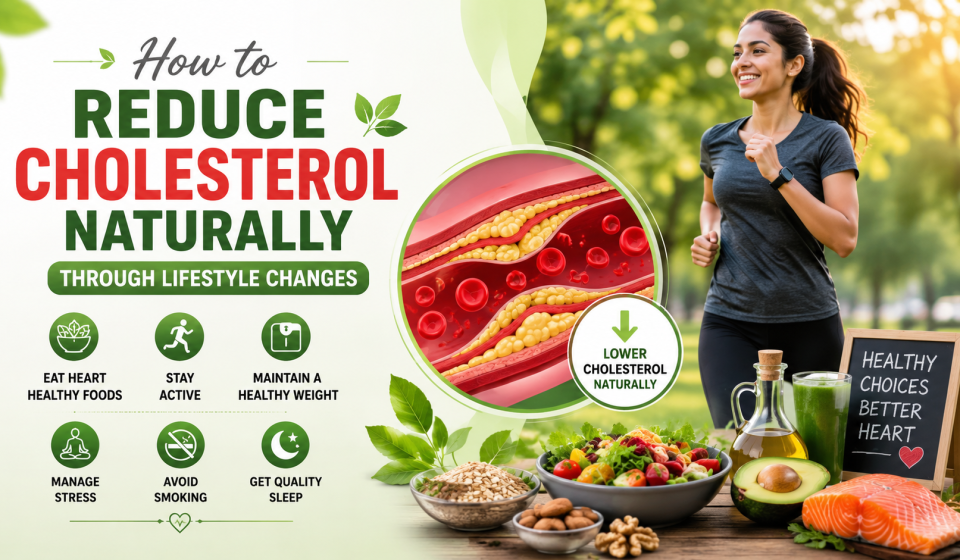
The good news is that cholesterol levels can often be improved naturally through simple and consistent lifestyle changes. By making healthier choices related to diet, exercise, sleep, stress management, and daily habits, many people can significantly reduce their cholesterol levels without relying solely on medications.
In this article, we’ll explore practical, science-backed ways to reduce cholesterol naturally and improve your overall heart health.
Understanding Cholesterol: The Basics
Before discussing how to reduce cholesterol naturally, it’s important to understand what cholesterol actually is.
Cholesterol is a waxy, fat-like substance found in your blood. Your body needs cholesterol to build healthy cells, produce hormones, and aid digestion. However, having too much cholesterol can create fatty deposits in your blood vessels, making it difficult for blood to flow properly.
There are two main types of cholesterol:
LDL Cholesterol (Low-Density Lipoprotein)
Often called “bad cholesterol,” LDL cholesterol can build up in artery walls and increase the risk of heart attacks and strokes.
HDL Cholesterol (High-Density Lipoprotein)
Known as “good cholesterol,” HDL helps remove excess cholesterol from your bloodstream and transports it to the liver for disposal.
Triglycerides
These are another type of fat in the blood. High triglyceride levels combined with high LDL cholesterol can further increase cardiovascular risk.
Why Lifestyle Changes Matter
Many people assume that high cholesterol can only be controlled with medication. While medications are necessary in some cases, lifestyle modifications remain the first and most effective line of defense.
Research consistently shows that healthy lifestyle habits can:
- Lower LDL (bad) cholesterol
- Increase HDL (good) cholesterol
- Reduce triglycerides
- Improve blood pressure
- Support healthy body weight
- Reduce inflammation
- Improve overall heart health
Even small improvements in daily habits can produce meaningful results over time.
1. Adopt a Heart-Healthy Diet
Your diet plays the biggest role in managing cholesterol naturally.
Increase Soluble Fiber Intake
Soluble fiber binds to cholesterol in the digestive system and helps remove it from the body.
Foods rich in soluble fiber include:
- Oats and oatmeal
- Barley
- Apples
- Oranges
- Pears
- Beans
- Lentils
- Chickpeas
- Flaxseeds
- Psyllium husk
For example, replacing a breakfast of white bread and butter with oatmeal topped with fruits can significantly improve cholesterol levels over time.
Eat More Fruits and Vegetables
Fruits and vegetables provide antioxidants, fiber, vitamins, and minerals that support cardiovascular health.
Try to consume:
- Green leafy vegetables
- Carrots
- Tomatoes
- Broccoli
- Berries
- Citrus fruits
- Pomegranate
Aim for at least five servings daily.
Choose Healthy Fats
Not all fats are harmful. Replacing unhealthy fats with healthy fats can lower LDL cholesterol.
Healthy fat sources include:
- Olive oil
- Avocados
- Nuts
- Seeds
- Fatty fish
- Peanuts
Avoid excessive consumption of:
- Deep-fried foods
- Processed snacks
- Bakery products
- Packaged foods containing trans fats
Include Omega-3 Fatty Acids
Omega-3 fatty acids support heart health and reduce triglycerides.
Excellent sources include:
- Salmon
- Sardines
- Mackerel
- Tuna
- Walnuts
- Chia seeds
- Flaxseeds
2. Reduce Saturated and Trans Fats
One of the fastest ways to improve cholesterol levels is reducing unhealthy fat intake.
Foods high in saturated fats include:
- Butter
- Ghee in excess
- Full-fat dairy products
- Fatty meat cuts
- Processed meats
- Fast foods
Trans fats are especially harmful because they increase bad cholesterol while reducing good cholesterol.
Avoid:
- Packaged cookies
- Cakes
- Doughnuts
- Commercial baked products
- Fried snacks
- Margarine products containing hydrogenated oils
Instead, use healthier cooking oils and prepare meals at home whenever possible.
3. Exercise Regularly
Physical activity is one of the most effective natural cholesterol-lowering strategies.
Exercise helps:
- Increase HDL cholesterol
- Lower LDL cholesterol
- Reduce triglycerides
- Improve blood circulation
- Support weight management
Recommended Exercises
Walking
Brisk walking for 30 to 45 minutes daily can significantly improve heart health.
Cycling
Cycling improves cardiovascular fitness while helping maintain healthy cholesterol levels.
Swimming
Swimming provides a full-body workout and supports heart function.
Strength Training
Weight training two to three times per week helps improve metabolism and cholesterol profiles.
Yoga
Yoga can reduce stress and support better cardiovascular health.
Experts recommend at least 150 minutes of moderate-intensity exercise every week.
4. Maintain a Healthy Body Weight
Excess body weight often contributes to increased cholesterol levels.
Losing even 5% to 10% of body weight can:
- Lower LDL cholesterol
- Reduce triglycerides
- Improve HDL cholesterol
- Decrease blood pressure
- Reduce heart disease risk
Practical Weight Loss Tips
- Control portion sizes.
- Avoid sugary beverages.
- Eat slowly.
- Increase protein intake.
- Reduce late-night snacking.
- Track your daily food consumption.
Remember that sustainable weight loss happens gradually.
5. Stop Smoking
Smoking negatively affects cholesterol levels by reducing HDL cholesterol and damaging blood vessels.
After quitting smoking:
- HDL cholesterol begins to improve.
- Blood pressure decreases.
- Heart disease risk gradually declines.
- Lung function improves.
Many people notice significant cardiovascular improvements within months of quitting.
If quitting is difficult, seek professional support, counseling, or smoking cessation programs.
6. Limit Alcohol Consumption
Excessive alcohol intake can increase triglycerides and contribute to weight gain.
If you consume alcohol:
- Drink in moderation.
- Avoid binge drinking.
- Stay within recommended limits.
For many individuals with high cholesterol, reducing or eliminating alcohol can produce noticeable improvements.
7. Manage Stress Effectively
Chronic stress can indirectly increase cholesterol through unhealthy behaviors such as overeating, smoking, and lack of exercise.
Healthy Stress Management Techniques
- Meditation
- Deep breathing exercises
- Yoga
- Prayer or mindfulness
- Listening to music
- Spending time outdoors
- Talking with family and friends
- Pursuing hobbies
Even 10 to 15 minutes of daily stress reduction activities can benefit heart health.
8. Improve Sleep Quality
Poor sleep habits are increasingly linked to higher cholesterol levels and cardiovascular disease.
Adults should aim for:
- 7 to 9 hours of sleep every night
- Consistent sleep schedules
- Limited screen time before bed
- A quiet sleeping environment
Good sleep supports hormonal balance and healthy metabolism.
9. Increase Plant-Based Foods
Plant-based diets have been shown to lower cholesterol naturally.
Include more:
- Vegetables
- Fruits
- Whole grains
- Beans
- Lentils
- Nuts
- Seeds
- Soy products
You don’t necessarily have to become vegetarian. Simply increasing plant foods can make a significant difference.
10. Get Regular Health Check-Ups
Because high cholesterol often causes no symptoms, routine testing is essential.
Adults should regularly monitor:
- Total cholesterol
- LDL cholesterol
- HDL cholesterol
- Triglycerides
- Blood pressure
- Blood sugar levels
Regular check-ups help identify problems early and monitor progress.
A Real-Life Example
Consider Rajesh, a 42-year-old office worker from Ahmedabad. During his annual health check-up, his LDL cholesterol measured 170 mg/dL. Instead of immediately relying on medication, he committed to lifestyle changes.
He:
- Walked 40 minutes daily.
- Switched from fried snacks to fruits and nuts.
- Reduced sugary drinks.
- Lost 8 kilograms.
- Practiced yoga regularly.
After six months, his LDL cholesterol dropped significantly, and his overall health improved dramatically. While results vary from person to person, this example illustrates how powerful lifestyle changes can be.
When Should You Consult a Doctor?
Although natural methods are highly effective, consult a healthcare professional if:
- LDL cholesterol remains very high.
- You have diabetes.
- You have a family history of heart disease.
- Lifestyle changes don’t improve results.
- You experience symptoms such as chest pain or breathlessness.
Some individuals may still require medication alongside lifestyle changes.
Sources
https://l1nq.com/cy90gu2
https://l1nq.com/lzpthuk
Final Thoughts
Reducing cholesterol naturally is not about following a temporary diet or quick fix. It’s about adopting sustainable lifestyle habits that support lifelong heart health. Eating nutritious foods, exercising regularly, maintaining a healthy weight, managing stress, improving sleep, and avoiding smoking can dramatically improve cholesterol levels over time.
Consistency matters more than perfection. Small daily improvements, maintained over months and years, can significantly reduce your risk of heart disease and improve your overall quality of life.
Remember, every healthy choice you make today contributes to a healthier heart tomorrow.
Frequently Asked Questions (FAQs)
1. How long does it take to reduce cholesterol naturally?
Most people begin seeing improvements in cholesterol levels within 6 to 12 weeks after making consistent lifestyle changes.
2. Which foods help reduce cholesterol the fastest?
Foods rich in soluble fiber, such as oats, beans, apples, and flaxseeds, along with nuts and fatty fish, can help lower cholesterol effectively.
3. Can exercise alone lower cholesterol?
Exercise helps significantly, especially by increasing HDL cholesterol, but combining exercise with dietary changes provides the best results.
4. Is it possible to reduce cholesterol without medication?
Yes. Many people can successfully reduce cholesterol naturally through healthy eating, exercise, weight management, and lifestyle modifications, although some may still require medication.
5. Which cooking oil is best for managing cholesterol?
Olive oil, mustard oil, sunflower oil, and groundnut oil are generally considered healthier options when used in moderation.