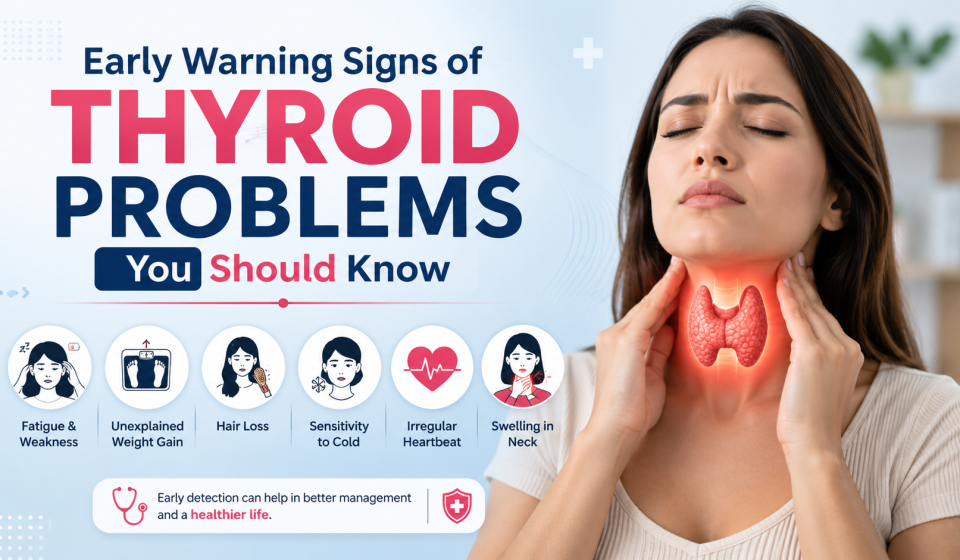

Learn about the early warning signs of thyroid problems, including symptoms of hypothyroidism and hyperthyroidism, causes, diagnosis, treatment options, and prevention tips. Discover when to seek medical attention for thyroid disorders.
The thyroid gland may be small, but it plays a vital role in keeping the body functioning properly. Located at the front of the neck, this butterfly-shaped gland produces hormones that regulate metabolism, energy levels, body temperature, heart rate, and many other important bodily functions. When the thyroid does not produce the right amount of hormones, it can lead to a variety of health problems that affect overall well-being.
Unfortunately, thyroid disorders often develop slowly, and their symptoms can easily be mistaken for stress, aging, or other health conditions. Recognizing the early warning signs of thyroid problems can help individuals seek medical attention sooner, leading to faster diagnosis and better treatment outcomes.
In this article, we will explore the early warning signs of thyroid problems, the different types of thyroid disorders, risk factors, diagnosis methods, and available treatment options.
Understanding the Thyroid Gland
The thyroid gland produces two primary hormones:
- Triiodothyronine (T3)
- Thyroxine (T4)
These hormones help regulate:
- Metabolism
- Body temperature
- Heart function
- Digestion
- Brain development
- Muscle control
- Energy production
When the thyroid produces too little hormone, it causes hypothyroidism. When it produces too much hormone, it results in hyperthyroidism. Both conditions can significantly impact daily life if left untreated.
Why Early Detection Matters
Thyroid disorders affect millions of people worldwide. According to medical experts, women are more likely than men to develop thyroid problems, although anyone can be affected. Early diagnosis can help prevent complications such as heart disease, infertility, osteoporosis, depression, and severe metabolic disorders.
Recognizing the warning signs early allows doctors to begin treatment before symptoms become severe.
Early Warning Signs of Hypothyroidism (Underactive Thyroid)
Hypothyroidism occurs when the thyroid gland does not produce enough hormones. Symptoms often develop gradually and may go unnoticed for months or even years.
1. Persistent Fatigue
One of the earliest signs of hypothyroidism is constant tiredness. People often feel exhausted despite getting adequate sleep. Everyday tasks may become difficult due to low energy levels.
For example, a person who previously enjoyed daily exercise may suddenly struggle to complete basic activities without feeling tired.
2. Unexplained Weight Gain
Since thyroid hormones regulate metabolism, reduced hormone production slows the body’s ability to burn calories. This can result in gradual and unexplained weight gain, even when eating habits remain unchanged.
3. Increased Sensitivity to Cold
People with hypothyroidism often feel unusually cold, even in warm environments. They may require extra blankets or layers of clothing when others feel comfortable.
4. Dry Skin and Hair
Thyroid hormones help maintain healthy skin and hair. Low thyroid hormone levels can cause:
- Dry and rough skin
- Brittle nails
- Hair thinning
- Hair loss
- Coarse hair texture
5. Constipation
A slower metabolism can also affect digestion, leading to persistent constipation and digestive discomfort.
6. Depression and Mood Changes
Many individuals with hypothyroidism experience:
- Depression
- Low mood
- Anxiety
- Reduced motivation
- Difficulty enjoying activities
Mental health symptoms often appear before physical symptoms become obvious.
7. Memory Problems and Brain Fog
Difficulty concentrating, forgetfulness, and poor memory are common early signs. Many patients describe this symptom as “brain fog.”
8. Muscle Weakness and Joint Pain
Reduced thyroid function can cause:
- Muscle cramps
- Joint stiffness
- Body aches
- General weakness
9. Puffy Face and Swelling
Fluid retention caused by hypothyroidism may result in:
- Facial puffiness
- Swollen eyelids
- Swelling in hands and feet
10. Irregular Menstrual Cycles
Women may experience:
- Heavy periods
- Irregular menstrual cycles
- Fertility problems
- Increased menstrual pain
Early Warning Signs of Hyperthyroidism (Overactive Thyroid)
Hyperthyroidism occurs when the thyroid gland produces excessive amounts of hormones. This causes the body’s metabolism to speed up significantly.
1. Rapid Weight Loss
Unexpected weight loss despite normal or increased appetite is one of the most common early symptoms.
2. Increased Heart Rate
People may experience:
- Rapid heartbeat
- Heart palpitations
- Irregular heartbeat
- Chest discomfort
These symptoms should never be ignored.
3. Anxiety and Nervousness
Excess thyroid hormones can overstimulate the nervous system, causing:
- Anxiety
- Restlessness
- Irritability
- Panic attacks
- Emotional instability
4. Excessive Sweating
Individuals with hyperthyroidism often experience:
- Increased sweating
- Heat intolerance
- Constant feeling of warmth
5. Trembling Hands
Small tremors in the hands and fingers are a common early warning sign.
6. Sleep Problems
People may struggle with:
- Difficulty falling asleep
- Frequent waking
- Insomnia
- Restless sleep
7. Frequent Bowel Movements
An overactive thyroid speeds up digestion, leading to more frequent bowel movements or diarrhea.
8. Muscle Weakness
Muscle weakness, especially in the arms and thighs, can make routine activities difficult.
9. Changes in Menstrual Patterns
Women may experience:
- Lighter periods
- Missed periods
- Fertility difficulties
10. Eye Changes
In some thyroid disorders, especially Graves’ disease, symptoms may include:
- Bulging eyes
- Eye irritation
- Dry eyes
- Blurred vision
Thyroid Nodules and Thyroid Cancer Warning Signs
Although many thyroid nodules are harmless, some symptoms require immediate medical evaluation:
- Lump in the neck
- Difficulty swallowing
- Persistent hoarseness
- Neck pain
- Enlarged lymph nodes
- Breathing difficulties
Early detection of thyroid cancer greatly improves treatment outcomes.
Who Is at Higher Risk of Thyroid Problems?
Certain factors increase the risk of developing thyroid disorders:
- Family history of thyroid disease
- Female gender
- Pregnancy
- Age above 60 years
- Autoimmune disorders
- Diabetes
- Previous neck radiation therapy
- Iodine deficiency
- Certain medications
Common Causes of Thyroid Disorders
Several conditions can affect thyroid function, including:
Hypothyroidism Causes:
- Hashimoto’s thyroiditis
- Iodine deficiency
- Thyroid surgery
- Radiation treatment
- Certain medications
Hyperthyroidism Causes:
- Graves’ disease
- Thyroid nodules
- Thyroiditis
- Excess iodine intake
- Certain medications
How Thyroid Problems Are Diagnosed
Doctors use several tests to diagnose thyroid disorders:
Blood Tests
- Thyroid Stimulating Hormone (TSH)
- Free T3
- Free T4
- Thyroid antibodies
Imaging Tests
- Thyroid ultrasound
- Radioactive iodine uptake scan
- Thyroid scan
Physical Examination
Doctors may examine:
- Neck swelling
- Heart rate
- Reflexes
- Skin changes
- Eye abnormalities
Treatment Options for Thyroid Disorders
Treatment depends on the type and severity of the condition.
Hypothyroidism Treatment
Common treatments include:
- Thyroid hormone replacement medication
- Regular blood monitoring
- Dietary management
- Lifestyle changes
Hyperthyroidism Treatment
Treatment options include:
- Anti-thyroid medications
- Radioactive iodine therapy
- Beta blockers
- Surgery in severe cases
Lifestyle Tips to Support Thyroid Health
Although not all thyroid disorders can be prevented, healthy habits may support thyroid function:
- Eat a balanced diet rich in iodine and selenium
- Exercise regularly
- Manage stress effectively
- Get adequate sleep
- Avoid smoking
- Schedule regular health check-ups
- Follow prescribed medications carefully
When Should You See a Doctor?
Consult a healthcare professional if you experience:
- Persistent fatigue
- Sudden weight changes
- Hair loss
- Irregular heartbeat
- Neck swelling
- Anxiety without explanation
- Depression lasting several weeks
- Menstrual irregularities
- Difficulty swallowing
- Unexplained muscle weakness
Early diagnosis can significantly improve quality of life and prevent serious complications.
Sources
https://www.thyroid.org/
https://l1nq.com/s87hbx5
Conclusion
The thyroid gland influences nearly every organ system in the body, making thyroid disorders capable of causing a wide range of symptoms. Unfortunately, many early warning signs—including fatigue, weight changes, mood disorders, hair loss, and temperature sensitivity—are often overlooked or attributed to other causes.
Understanding these early symptoms can help individuals seek timely medical evaluation and treatment. Whether it is hypothyroidism, hyperthyroidism, or another thyroid disorder, early diagnosis and proper management can prevent complications and improve long-term health outcomes. If you notice persistent symptoms affecting your daily life, consult a healthcare professional for proper evaluation and testing.
Frequently Asked Questions (FAQs)
1. What is usually the first sign of thyroid problems?
The first signs often include fatigue, unexplained weight changes, hair loss, mood changes, and sensitivity to temperature.
2. Can thyroid problems cause anxiety?
Yes. Hyperthyroidism commonly causes anxiety, nervousness, irritability, and panic-like symptoms.
3. Can thyroid disorders be cured?
Some thyroid disorders can be managed effectively with medication or treatment, while others require lifelong management.
4. How often should thyroid levels be checked?
The frequency depends on individual health conditions, but many patients require testing every 6–12 months or as advised by their doctor.
5. Are thyroid problems more common in women?
Yes. Women are significantly more likely to develop thyroid disorders than men, particularly during pregnancy and after menopause.