
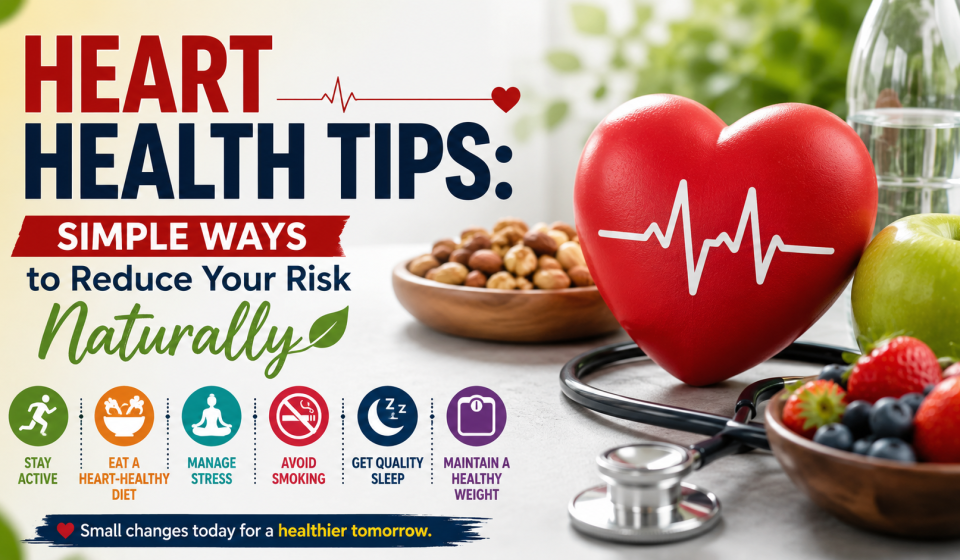

Discover the best Heart Health Tips to naturally reduce your risk of heart disease. Learn healthy eating habits, exercise routines, stress management, and lifestyle changes for a stronger heart.
Heart disease remains the leading cause of death worldwide, yet many cases are preventable through healthy lifestyle choices. The good news is that protecting your heart doesn’t require expensive treatments or complicated routines. Small, consistent changes in your daily habits can significantly improve your cardiovascular health and reduce the risk of heart attacks, strokes, and other heart-related conditions.
Your heart works tirelessly every second of every day, pumping oxygen-rich blood throughout your body. Taking care of it should be a top priority regardless of your age. Whether you’re in your twenties or your sixties, adopting heart-healthy habits today can benefit your health for years to come.
In this comprehensive guide, we’ll explore simple, natural, and scientifically supported heart health tips that can help you build a stronger cardiovascular system and improve your overall well-being.
Why Heart Health Matters
Your heart is the engine of your body. It delivers oxygen and nutrients to every organ, muscle, and tissue. When your heart isn’t functioning properly, your entire body suffers.
Common cardiovascular diseases include:
- Coronary artery disease
- Heart attack
- Stroke
- Heart failure
- High blood pressure
- Arrhythmias
Many risk factors can be controlled through healthy lifestyle choices, making prevention one of the best forms of treatment.
1. Eat a Heart-Healthy Diet
Your diet has one of the biggest impacts on heart health.
Choose More:
- Fresh fruits
- Green leafy vegetables
- Whole grains
- Beans and lentils
- Nuts and seeds
- Fatty fish like salmon and sardines
- Olive oil
- Avocados
Limit:
- Processed foods
- Sugary beverages
- Fast food
- Fried foods
- Excess salt
- Refined carbohydrates
- Processed meats
A Mediterranean-style diet is consistently ranked among the healthiest eating patterns for cardiovascular health.
2. Stay Physically Active
Exercise strengthens your heart just like it strengthens your muscles.
Health experts recommend:
- At least 150 minutes of moderate aerobic activity weekly
- Or 75 minutes of vigorous exercise
- Muscle-strengthening exercises twice weekly
Great heart-friendly activities include:
- Walking
- Cycling
- Swimming
- Dancing
- Jogging
- Hiking
- Yoga
Even a brisk 30-minute walk most days can significantly lower cardiovascular risk.
3. Maintain a Healthy Weight
Carrying excess body weight increases your chances of developing:
- High blood pressure
- Diabetes
- High cholesterol
- Sleep apnea
- Heart disease
Rather than focusing only on the number on the scale, aim for:
- Healthy waist circumference
- Balanced nutrition
- Regular physical activity
- Sustainable lifestyle changes
Losing even 5–10% of your body weight can improve heart health markers.
4. Control Blood Pressure Naturally
High blood pressure is often called the “silent killer” because it usually has no symptoms.
Natural ways to lower blood pressure include:
- Eating less sodium
- Exercising regularly
- Losing excess weight
- Managing stress
- Sleeping well
- Limiting alcohol
- Eating potassium-rich foods like bananas, spinach, and sweet potatoes
Regular monitoring helps detect issues before complications develop.
5. Keep Cholesterol Under Control
High LDL (“bad”) cholesterol contributes to plaque buildup in arteries.
Improve cholesterol levels by:
- Eating more fiber
- Choosing healthy fats
- Avoiding trans fats
- Exercising regularly
- Quitting smoking
- Eating oats, beans, flaxseeds, and nuts
HDL (“good”) cholesterol helps remove excess cholesterol from your bloodstream.
6. Reduce Added Sugar
Excess sugar contributes to:
- Obesity
- Diabetes
- High triglycerides
- Inflammation
- Heart disease
Watch out for hidden sugars in:
- Soft drinks
- Breakfast cereals
- Flavored yogurt
- Packaged snacks
- Desserts
Choose naturally sweet foods like fruits whenever possible.
7. Quit Smoking
Smoking damages blood vessels almost immediately.
Benefits after quitting include:
- Lower blood pressure
- Improved circulation
- Reduced heart attack risk
- Better oxygen delivery
- Improved lung function
Even long-term smokers experience significant cardiovascular benefits after quitting.
8. Limit Alcohol Consumption
Heavy drinking increases the risk of:
- High blood pressure
- Irregular heartbeat
- Stroke
- Heart failure
If you drink alcohol, do so in moderation.
Replacing alcoholic beverages with water or herbal tea can benefit your heart.
9. Manage Stress Effectively
Chronic stress can raise:
- Blood pressure
- Cortisol levels
- Heart rate
- Inflammation
Healthy stress-management strategies include:
- Meditation
- Deep breathing
- Walking outdoors
- Journaling
- Reading
- Listening to music
- Spending time with family
Even 10 minutes of relaxation daily can improve cardiovascular health.
10. Get Enough Quality Sleep
Adults should aim for 7–9 hours of sleep every night.
Poor sleep increases the risk of:
- High blood pressure
- Obesity
- Diabetes
- Heart disease
Improve sleep by:
- Maintaining a consistent bedtime
- Avoiding caffeine late in the day
- Reducing screen time before bed
- Keeping the bedroom cool and dark
11. Stay Hydrated
Proper hydration helps your heart pump blood efficiently.
Drink enough water throughout the day, especially:
- During exercise
- Hot weather
- Illness
Water is always a healthier choice than sugary drinks.
12. Eat More Fiber
Fiber helps:
- Lower cholesterol
- Improve digestion
- Stabilize blood sugar
- Support healthy weight
Excellent fiber sources include:
- Oats
- Apples
- Beans
- Lentils
- Vegetables
- Whole grains
Aim for at least 25–38 grams of fiber daily.
13. Include Heart-Healthy Fats
Not all fats are harmful.
Healthy fats include:
- Olive oil
- Almonds
- Walnuts
- Chia seeds
- Flaxseeds
- Fatty fish
Avoid trans fats and limit saturated fats found in processed foods.
14. Schedule Regular Health Checkups
Routine screenings can identify risk factors before symptoms develop.
Ask your healthcare provider to monitor:
- Blood pressure
- Blood sugar
- Cholesterol
- Weight
- Body Mass Index (BMI)
Early detection leads to better outcomes.
15. Stay Socially Connected
Studies suggest that strong social relationships contribute to better heart health.
Benefits include:
- Lower stress
- Better emotional health
- Increased physical activity
- Healthier lifestyle habits
Make time for family, friends, and community activities.
Foods That Naturally Support Heart Health
| Food | Benefits |
|---|---|
| Salmon | Rich in omega-3 fatty acids |
| Oats | Lowers LDL cholesterol |
| Blueberries | High in antioxidants |
| Spinach | Supports healthy blood pressure |
| Walnuts | Healthy fats and omega-3s |
| Olive Oil | Reduces inflammation |
| Avocados | Rich in potassium and healthy fats |
| Beans | High fiber and plant protein |
| Dark Chocolate (70%+) | Supports circulation in moderation |
| Green Tea | Rich in heart-protective antioxidants |
Daily Habits for a Stronger Heart
Start your day by drinking water, eating a balanced breakfast, and taking a short walk. Throughout the day, choose whole foods over processed snacks, stay active by avoiding prolonged sitting, and practice mindful breathing during stressful moments. Finish the day with a nutritious dinner, limit late-night screen time, and prioritize a full night’s sleep. These small daily habits create long-term benefits for your cardiovascular system.
Common Mistakes That Harm Heart Health
Avoid these habits:
- Skipping breakfast regularly
- Sitting for long periods
- Eating excessive processed foods
- Ignoring high blood pressure
- Smoking or vaping
- Drinking sugary beverages daily
- Sleeping less than six hours
- Avoiding exercise because of a busy schedule
- Ignoring stress and mental health
- Delaying routine medical checkups
Recognizing and correcting these behaviors can significantly reduce your long-term cardiovascular risk.
Long-Term Benefits of a Heart-Healthy Lifestyle
Following these heart health tips consistently can lead to:
- Lower risk of heart attack and stroke
- Better blood pressure control
- Improved cholesterol levels
- Enhanced energy levels
- Healthier body weight
- Better sleep quality
- Reduced inflammation
- Improved mental well-being
- Longer life expectancy
- Higher quality of life
The earlier you begin adopting healthy habits, the greater the long-term benefits for your heart and overall health.
Sources
https://sl1nk.com/hpankak
https://l1nq.com/fz3els7
Conclusion
Your heart is one of the most vital organs in your body, and caring for it doesn’t have to be complicated. By making simple lifestyle changes—such as eating a balanced diet, staying physically active, managing stress, sleeping well, avoiding smoking, and scheduling regular health checkups—you can naturally reduce your risk of heart disease. Consistency is more important than perfection. Every healthy choice you make today contributes to a stronger, healthier heart for the future. Start with one or two habits, build on them over time, and enjoy the lifelong benefits of better cardiovascular health.
Frequently Asked Questions (FAQs)
1. What are the best natural ways to improve heart health?
Eating a balanced diet, exercising regularly, maintaining a healthy weight, avoiding smoking, managing stress, and getting enough sleep are among the most effective natural ways to support heart health.
2. Which foods are best for heart health?
Foods such as salmon, oats, berries, leafy greens, walnuts, olive oil, beans, avocados, and whole grains are excellent choices for maintaining a healthy heart.
3. How much exercise is recommended for a healthy heart?
Adults should aim for at least 150 minutes of moderate-intensity aerobic exercise or 75 minutes of vigorous exercise each week, along with muscle-strengthening activities twice weekly.
4. Can stress increase the risk of heart disease?
Yes. Chronic stress can contribute to high blood pressure, inflammation, and unhealthy lifestyle habits, all of which increase the risk of cardiovascular disease.
5. How often should I get my heart checked?
Healthy adults should have regular blood pressure, cholesterol, and blood sugar screenings as recommended by their healthcare provider. Individuals with risk factors may require more frequent checkups.