
Discover 10 essential tips for checkups, vaccinations, healthy eating, screenings, mental health, dental care, and lifelong family wellness.
Good health is not only about treating illness after it appears. It is also about taking the right steps to prevent diseases, identify health problems early, and maintain physical and mental well-being throughout life. This approach is known as preventive healthcare.
Preventive healthcare for families includes regular health checkups, vaccinations, healthy eating, physical activity, dental care, mental health support, age-appropriate screenings, and awareness of family medical history. When these habits become part of everyday family life, they can help reduce health risks and encourage everyone—from children to older adults—to make healthier choices.
The World Health Organization describes primary healthcare as an approach that covers health promotion, disease prevention, treatment, rehabilitation, and other health needs throughout a person’s life. It also emphasizes empowering individuals, families, and communities to take an active role in their health.
Preventive care does not mean that illness will never occur. Instead, it focuses on reducing avoidable risks and detecting potential problems as early as possible. Regular checkups, screening tests, and vaccinations are important parts of this approach.
In this guide, we will explore the most important aspects of preventive healthcare for families and explain how you can create a practical family health routine.
What Is Preventive Healthcare?
Preventive healthcare refers to medical and lifestyle practices designed to prevent disease, reduce health risks, and detect potential problems before they become serious.
Instead of waiting until someone develops symptoms, preventive care encourages people to monitor their health regularly.
It generally includes:
- Regular medical checkups
- Vaccinations
- Health screenings
- Dental examinations
- Eye and hearing checks
- Healthy nutrition
- Regular physical activity
- Adequate sleep
- Mental health awareness
- Maintaining a healthy weight
- Avoiding tobacco and harmful substance use
- Understanding family medical history
Preventive healthcare is especially important for families because health habits often develop at home. Parents and caregivers can influence children’s eating habits, activity levels, sleep schedules, hygiene practices, and attitudes toward healthcare.
Why Preventive Healthcare Is Important for Families
A family that prioritizes preventive care can identify potential health risks earlier and make informed decisions about lifestyle and medical care.
1. Helps Detect Health Problems Early
Many health conditions may develop without obvious symptoms during their early stages. Routine screenings and checkups can sometimes identify risk factors or abnormalities before a person feels sick.
Early detection can give healthcare professionals more opportunities to recommend appropriate lifestyle changes, monitoring, or treatment.
The CDC notes that screening tests can help identify diseases early, when they may be easier to treat.
2. Encourages Healthy Family Habits
Healthy habits are easier to maintain when everyone in the household participates.
For example, a family can:
- Eat more fruits and vegetables
- Take evening walks together
- Limit sugary drinks
- Maintain regular sleep schedules
- Spend less time sitting
- Practice good hygiene
These simple habits can become a normal part of daily family life.
3. Reduces Avoidable Health Risks
Some health risks are influenced by lifestyle factors such as physical inactivity, unhealthy diets, tobacco use, excessive alcohol consumption, and poor sleep.
Although not every disease can be prevented, reducing modifiable risk factors can contribute to better long-term health.
4. Supports Children’s Healthy Development
Children need regular monitoring of growth, development, nutrition, vision, hearing, dental health, and vaccinations.
Routine pediatric visits allow healthcare professionals to monitor development and identify concerns that may require further evaluation.
5. Protects Older Family Members
Older adults may have a greater risk of chronic diseases and age-related health problems. Preventive visits can help monitor issues such as blood pressure, blood sugar, cholesterol, vision, hearing, bone health, and mobility.
The exact screenings required depend on age, sex, medical history, risk factors, and recommendations from a healthcare professional.
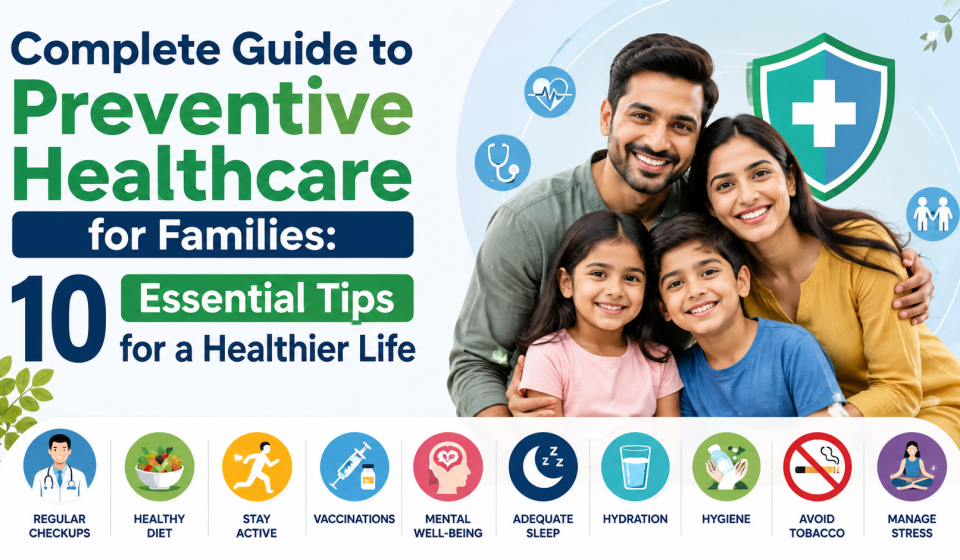
10 Essential Preventive Healthcare Tips for Families
1. Schedule Regular Health Checkups
One of the most important preventive healthcare habits is maintaining regular medical checkups.
A routine appointment gives the healthcare professional an opportunity to review:
- Blood pressure
- Weight and general health
- Lifestyle habits
- Family medical history
- Existing health conditions
- Medications
- Vaccination status
- Age-appropriate screening needs
- Mental well-being
The frequency of checkups should be individualized. Children, pregnant women, older adults, and people with chronic conditions may need different schedules.
Do not wait for serious symptoms before contacting a healthcare professional.
2. Keep Vaccinations Up to Date
Vaccination is an important part of preventive healthcare.
Children require vaccines according to the recommended immunization schedule, while adults may also need routine or risk-based vaccinations.
Vaccination recommendations vary by country, age, health condition, occupation, travel, pregnancy status, and other factors. Families should maintain accurate vaccination records and discuss missing or upcoming vaccines with a qualified healthcare professional.
The CDC emphasizes that immunizations are important for both children and adults and provides age-based vaccination recommendations.
Parents should keep a record of their children’s vaccinations and avoid skipping recommended doses without discussing the situation with a healthcare provider.
3. Encourage a Balanced Diet
Nutrition plays a major role in family health.
A balanced diet should include a variety of nutritious foods, such as:
- Vegetables
- Fruits
- Whole grains
- Pulses and legumes
- Nuts and seeds
- Protein-rich foods
- Appropriate sources of healthy fats
- Adequate fluids
Families should try to limit excessive consumption of highly processed foods, added sugars, and foods high in unhealthy fats or salt.
Instead of following extreme diets, focus on sustainable eating habits.
Parents can encourage children to develop healthy relationships with food by offering nutritious choices and involving them in meal planning and preparation.
4. Make Physical Activity a Family Habit
Regular physical activity supports cardiovascular health, muscle strength, mobility, energy levels, and overall well-being.
Exercise does not always have to mean going to a gym.
Families can stay active by:
- Walking together
- Cycling
- Playing outdoor games
- Dancing
- Swimming
- Hiking
- Gardening
- Playing sports
- Taking active breaks from sitting
The best activity is one that family members enjoy and can maintain consistently.
Children should have opportunities for active play, while adults should avoid spending long periods sitting whenever possible.
People with medical conditions or specific physical limitations should ask their healthcare professional about appropriate activities.
5. Prioritize Dental and Oral Health
Dental health is an important but sometimes overlooked part of preventive healthcare.
Families should establish good oral hygiene habits from an early age.
Basic habits include:
- Brushing teeth regularly with fluoride toothpaste
- Cleaning between teeth as recommended
- Limiting excessive sugary foods and drinks
- Having routine dental examinations
- Replacing toothbrushes when appropriate
- Teaching children proper brushing techniques
Children should learn that dental visits are a normal part of healthcare rather than something to fear.
Good oral health can also make eating, speaking, and daily life more comfortable
6. Pay Attention to Mental Health
Preventive healthcare is not limited to physical health. Mental and social well-being are also important.
Families should create an environment where people can talk openly about stress, worries, emotions, school pressure, work problems, loneliness, and other concerns.
Warning signs that deserve attention may include:
- Persistent sadness
- Significant changes in behavior
- Social withdrawal
- Major sleep changes
- Loss of interest in normal activities
- Persistent anxiety
- Difficulty functioning at school or work
- Major changes in eating habits
A person experiencing ongoing or severe emotional difficulties should be encouraged to speak with a qualified mental health professional or healthcare provider.
Parents should also remember that children may express emotional distress through behavior rather than directly saying that something is wrong
7. Know Your Family Health History
Family health history can provide useful information about potential health risks.
Talk with relatives and record important information about conditions that have affected close family members.
You may want to document:
- Heart disease
- Diabetes
- High blood pressure
- Certain cancers
- Osteoporosis
- Stroke
- High cholesterol
- Other significant inherited or chronic conditions
The CDC recommends knowing your family health history because shared genes, behaviors, and environmental factors can influence disease risk.
Share relevant family history with your healthcare provider. It may help them determine which preventive measures or screenings are appropriate
8. Follow Age-Appropriate Health Screenings
Screening tests are designed to identify certain health conditions before symptoms appear.
However, not every screening test is appropriate for everyone.
Screening recommendations can depend on:
- Age
- Sex
- Family history
- Personal medical history
- Lifestyle factors
- Pregnancy status
- Previous test results
- Individual risk factors
Depending on the individual, healthcare professionals may recommend monitoring or screening for conditions such as high blood pressure, diabetes, certain cancers, high cholesterol, or other health concerns.
For example, some cancer screenings can help detect certain cancers before symptoms develop.
Families should avoid ordering unnecessary tests simply because they are available. Instead, discuss appropriate screening schedules with a healthcare professional.
9. Maintain Healthy Sleep Habits
Sleep is another important component of preventive healthcare.
Poor sleep can affect mood, concentration, energy, and daily functioning.
Families can improve sleep habits by:
- Maintaining consistent sleep and wake times
- Creating a comfortable bedroom environment
- Reducing unnecessary screen use before bedtime
- Avoiding heavy meals immediately before sleep
- Following a relaxing bedtime routine
- Ensuring children have age-appropriate sleep schedules
If someone regularly has difficulty sleeping, snores heavily, experiences unusual breathing during sleep, or remains excessively tired during the day, discussing the issue with a healthcare professional may be appropriate.
10. Avoid Tobacco and Other Harmful Substances
Avoiding tobacco is one of the most important preventive health decisions.
Parents should also protect children from secondhand smoke and create a home environment that supports healthy choices.
Families should discuss the risks associated with tobacco, nicotine products, alcohol misuse, and other harmful substances in an age-appropriate way.
Young people benefit from clear information, supportive communication, and positive role models.
If someone wants help stopping tobacco or another harmful substance, healthcare professionals can provide evidence-based support.
Preventive Healthcare by Age Group
Preventive care should be adapted to each stage of life.
Infants and Young Children
Important areas may include:
- Routine pediatric visits
- Growth and development monitoring
- Vaccinations
- Nutrition
- Dental care
- Vision and hearing assessment when indicated
- Safety education
Teenagers
Teen preventive care may include:
- Vaccination updates
- Physical activity
- Nutrition
- Mental health
- Sleep
- Healthy relationships
- Substance-use prevention
- Sexual and reproductive health education
Adults
Adults may benefit from:
- Routine medical checkups
- Blood pressure monitoring
- Appropriate cholesterol and diabetes risk assessment
- Cancer screening when recommended
- Vaccinations
- Dental and eye care
- Mental health support
- Healthy weight management
- Physical activity and nutrition counseling
Older Adults
Preventive care may additionally focus on:
- Medication review
- Mobility
- Fall prevention
- Vision and hearing
- Bone health
- Cognitive health
- Vaccinations
- Chronic disease management
- Social and emotional well-being
The specific preventive plan should always be individualized rather than based only on age.
How to Create a Family Preventive Healthcare Plan
Creating a family health plan does not have to be complicated.
Step 1: Make a Family Health Record
Create a document containing:
- Names and ages
- Medical history
- Allergies
- Current medications
- Vaccination records
- Important family health history
- Healthcare provider information
- Previous test results where relevant
Step 2: Create a Healthcare Calendar
Use a calendar or reminder app to track:
- Medical appointments
- Dental visits
- Vaccinations
- Recommended screenings
- Prescription refills
- Follow-up appointments
Step 3: Set Family Health Goals
Choose realistic goals such as:
- Walking 30 minutes several days a week
- Eating more vegetables
- Drinking more water
- Reducing sugary drinks
- Improving sleep routines
- Spending more time outdoors
Step 4: Review the Plan Regularly
Family health needs change over time. Review your health plan whenever there is a major change in age, lifestyle, medical history, pregnancy, or other circumstances.
Preventive Healthcare in India
Preventive healthcare is also an important component of India’s primary healthcare approach.
WHO India describes primary healthcare as a holistic system that includes promotive, preventive, curative, rehabilitative, and palliative services. It also notes that India’s primary healthcare system includes services such as screening for noncommunicable diseases, maternal and child healthcare, essential medicines, and diagnostics.
WHO has also highlighted India’s community-level screening efforts for conditions such as diabetes, hypertension, and certain common cancers.
Families can therefore combine healthy lifestyle habits with appropriate preventive services available through qualified healthcare providers and local health facilities.
Common Preventive Healthcare Mistakes Families Should Avoid
Ignoring Routine Checkups
Feeling healthy does not always mean that every health parameter is normal. Preventive visits can help identify risks and provide personalized guidance.
Skipping Vaccinations
Do not assume vaccines are only for children. Adults may also require vaccinations depending on age and risk factors.
Following Online Medical Advice Without Verification
Social media and websites can provide useful health information, but online advice should not replace personalized medical assessment.
Using Unnecessary Supplements
More vitamins or supplements are not automatically better. Discuss supplements with a healthcare professional, particularly when taking medications or managing a medical condition.
Ignoring Mental Health
Emotional and psychological well-being deserve the same attention as physical health.
Waiting for Severe Symptoms
Persistent or concerning symptoms should not be ignored simply because someone is following a preventive healthcare routine.
Benefits of Preventive Healthcare for Families
A strong preventive healthcare strategy can help families:
- Identify health risks earlier
- Build healthier daily routines
- Improve health awareness
- Support children’s development
- Maintain healthy aging
- Encourage vaccination
- Improve communication about health
- Support mental well-being
- Reduce avoidable health risks
- Make healthcare more organized
Preventive healthcare is ultimately about making health a regular part of family life rather than something discussed only during illness.
Sources
CDC Preventive Care
WHO Primary Health Care
Conclusion
Preventive healthcare for families is one of the most practical ways to build a healthier future. It combines regular checkups, vaccinations, screenings, nutritious food, physical activity, dental care, adequate sleep, mental health awareness, and knowledge of family medical history.
The goal is not to eliminate every possible health problem. Instead, preventive care helps families understand their health risks, make informed choices, and identify potential problems earlier.
WHO emphasizes that primary healthcare supports people throughout the life course and combines health promotion, disease prevention, treatment, and other essential services.
Start with small steps. Schedule overdue checkups, review vaccination records, improve family meals, become more physically active, and create a simple health calendar. These actions can gradually become lifelong habits.
Remember that preventive recommendations vary from person to person. Always discuss individual screening, vaccination, medication, and treatment decisions with a qualified healthcare professional.
Frequently Asked Questions
1. What is preventive healthcare for families?
Preventive healthcare for families includes regular checkups, vaccinations, screenings, healthy lifestyle habits, dental care, mental health support, and other measures designed to prevent disease or detect health problems early.
2. How often should a family have health checkups?
There is no single schedule that applies to every family. The appropriate frequency depends on age, health history, existing medical conditions, risk factors, and healthcare professional recommendations.
3. Are vaccinations part of preventive healthcare?
Yes. Vaccination is an important component of preventive healthcare for both children and adults. Recommended vaccines vary according to age, health conditions, country-specific guidance, and individual risk factors.
4. Why is family medical history important?
Family medical history can help identify health conditions that may occur more frequently within a family. Sharing relevant information with a healthcare provider can help inform personalized preventive care.
5. Can a healthy lifestyle replace medical checkups?
No. Healthy eating, exercise, sleep, and other positive habits are important, but they do not replace appropriate medical checkups, vaccinations, or recommended screenings. Preventive healthcare works best when healthy lifestyle habits and appropriate professional care are combined.